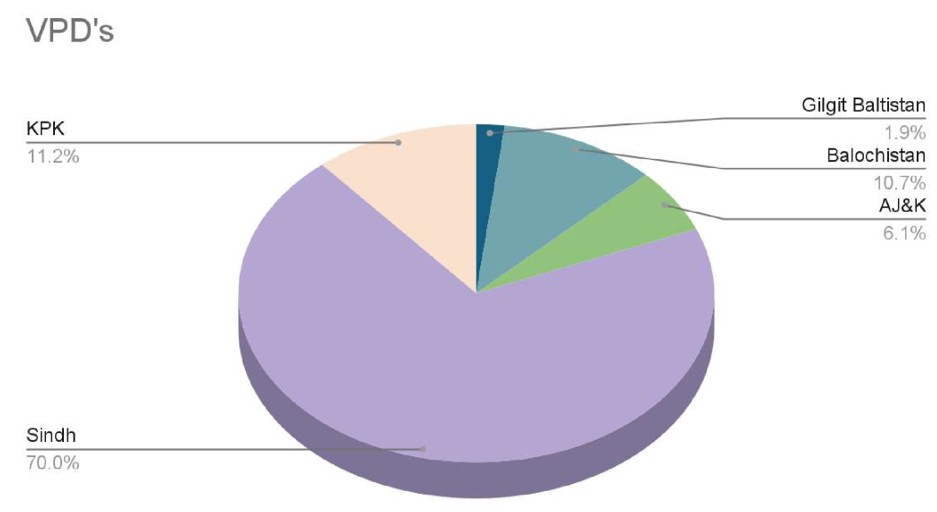
VPD's Load Burden Summary Report in Pakistan from May 2023 - June 2024
Fahad Oneeb Khwaja*
The City School, Capital Campus, Islamabad, Pakistan
*Corresponding author
*Fahad Oneeb Khwaja, The City School, Capital Campus, Islamabad, Pakistan.
DOI: 10.55920/JCRMHS.2025.09.001404
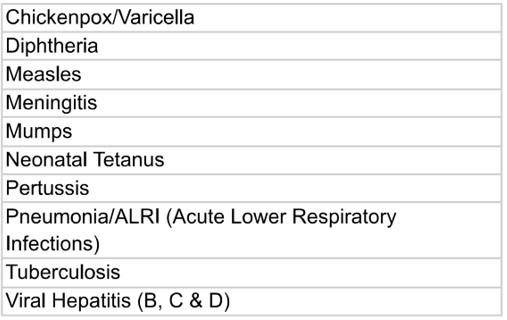
The high case incidence of pneumonia in the provided age group indicates a greater portion of the population to be infants with a possible prominent share of infants under 2 years who are not completely immunised against the disease. Otherly, the age group with the highest rate of pneumonia includes younger children whose immune systems are still developing and who primarily rely on natural passive immunity.
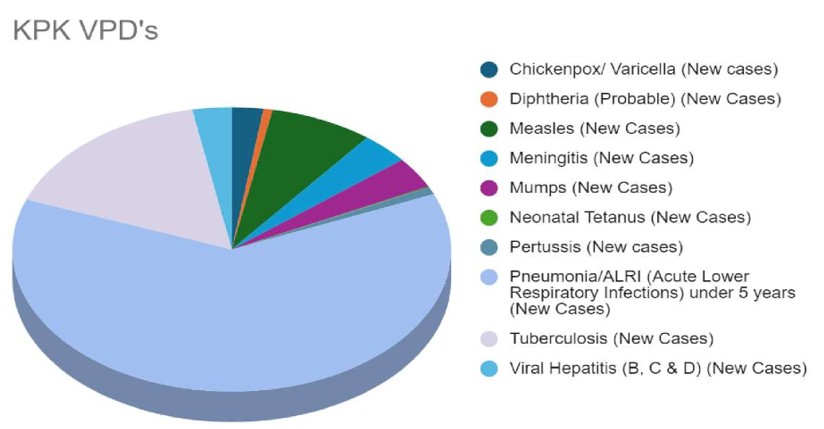
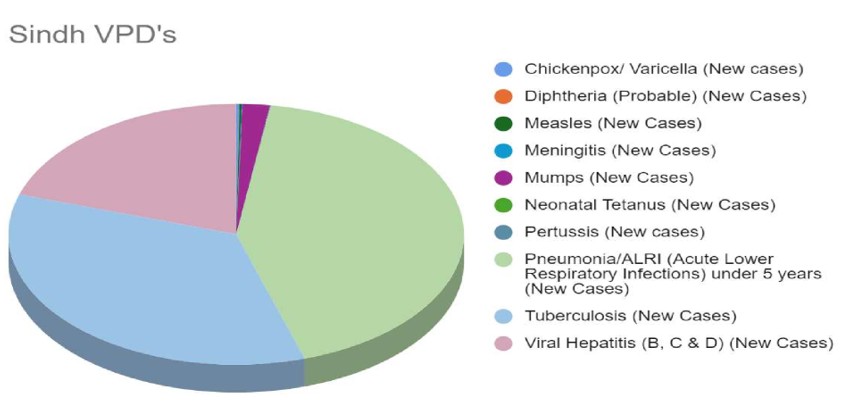
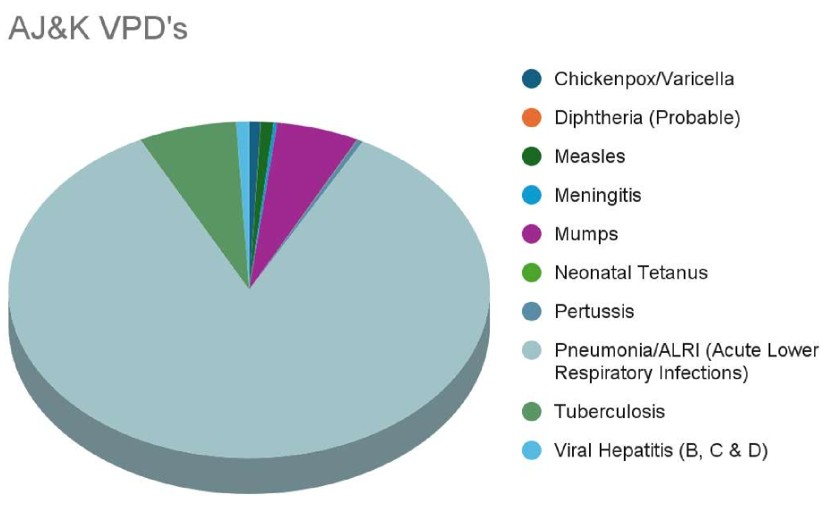
The high positivity rate of pneumonia in children during this period may be attributed to favourable weather conditions for the common pathogen, (Streptococcus pneumoniae). Additionally, factors like social gatherings of multiple sorts during the mentioned time frame could also be a contributing factor to the high disease rate considering the fact that pneumonia is an infectious disease, moreover a high population density of the region can also be considered as a reason, with a prominent division of infant population whose immune system is comparatively weak and are mostly dependent on Natural Passive immunity and artificial active immunity who are not yet completely immunised against the disease. Thirdly, the nature of the terrain and extreme weather conditions in the area act as an accessibility barrier to vaccination coverage and vaccine availability to the population.
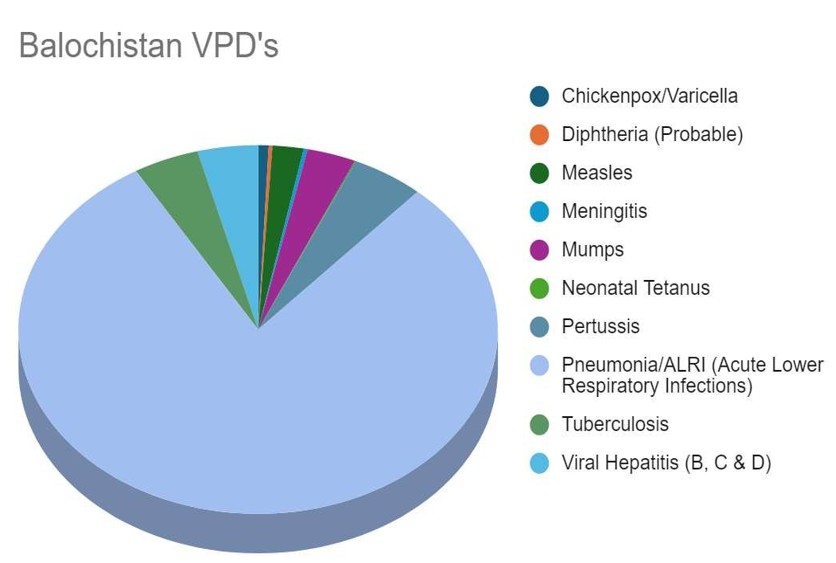
The high case incidence of pneumonia in children during this period may be attributed to favourable weather conditions for the common pathogen, (Streptococcus pneumoniae). Additionally, large crowds during that time could also be a contributing factor to the high disease rate considering the fact that pneumonia is an infectious disease, moreover a high population density of the region can also be considered as a reason for the afore-mentioned record.
A probable reason for such a high case incidence of pneumonia in Balochistan would be the compromised health infrastructure of the province compared to other mentioned regions and insufficient availability of resources in the province. Secondly, the reluctance towards vaccination is relevantly higher in the region compared to other provinces thus compromising the immunisation coverage of Balochistan.
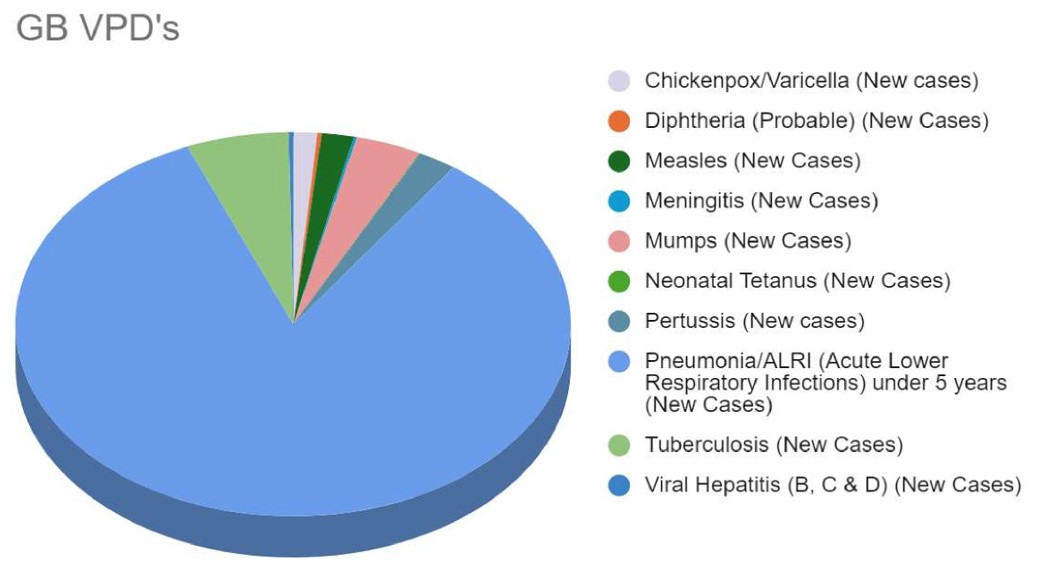
The traditional practices of the majority of the population to limit themselves to confined closed places during winter as a defensive measure against the extreme, snowy cold weather, increases the chances of pathogenic transfer from an infected individual to a non-infected individual considering the fact that pneumonia is an infectious disease. Moreover, the high infant population density of the region can also be considered as a reason. Considering the weather conditions during the period of high case incidence, much of the region is covered in snow, with blocked roads and severe weather. This makes it challenging for residents to access treatment for infected individuals and obtain vaccines.