
Prolongation of Jaundice in Infants at the University Clinical Center of Kosovo During 2020
Arlinda Maloku1, 2, Ramush Bejiqi2, Aferdita Mustafa2, Adnan Duriqi1*
1 University of Prishtina “Hasan Prishtina” Kosova
2 University Clinical Center of Kosovo, Pediatric Clinic, Prishtina, Kosovo
*Corresponding author
*Adnan Duriqi, University of Prishtina “Hasan Prishtina” Kosova.
DOI: 10.55920/JCRMHS.2025.09.001370
Abstract
Objective:The aim of this paper is to gain updated knowledge about jaundice in latents and the paper will mainly focus on:the frequency, etiology, predisposing factors, pathophysiology, genetics, signs and symptoms, systemic manifestations, forms of jaundice, diagnosis, treatment and extension of jaundice in latents. The objective of this paper was to investigate cases of jaundice in neonates, in the Department of Neonatology, near the University Clinical Center of Kosovo.
Methods:This retrospective study was carried out in the Department of Neonatology, near the University Clinical Center of Kosovo. The subjects of the study were newborns with jaundice. The literature search was carried out through the PubMed and Google Scholar platforms.
Results:The study was conducted at the Clinic of Neonatology, near the University Clinical Center of Kosovo. In this study, data were obtained for patients hospitalized during 2020 with prolonged jaundice. A total of 842 newborns were hospitalized, 123 of whom had jaundice. According to the 12-month study during 2020, 120 patients fully recovered, while 3 of themdied. The sex distribution revealed that men participated in 72 patients (58.53%), while women participated in 51 patients (41.46%).
Conclusion:Timely diagnosis and adequate treatment of complications have led toimportant health problems in Kosovo,which are well treated and our results are similar to those of other centers cited in the contemporary literature on this topic.
Keywords: Neonatal jaundice, Rh and ABO incompatibility, Hyperbilirubinemia, Jaundice
Introduction
Neonatal jaundice is the yellowing of the skin and whites of the eyes in a newborn baby due to high levels of bilirubin. Other symptoms may include excessive sleepiness or refusal to eat. Complications may include seizures, cerebral palsy, or kernicterus [1]. Approximately 60% of newborn babies and 80% of premature babies may have jaundice [1]. In most cases there is no specific underlying (physiological) disorder. In other casesthis disease results from the destruction of red blood cells, liver disease, infection, hypothyroidism or metabolic (pathological) disorders. A bilirubin level greater than 34 μmol/l (2 mg/dL) may be evident. Concerns in healthy infants occur when levels are greater than 308 μmol/L (18 mg/dL). The main features of pathological hyperbilirubinemia are as follows: jaundice appears in the first hours after birth (icterus praecox), progresses quickly, is more intense than physiological (icterus gravis) and lasts a long time (icterus prolongatus). Considering these worrisome findings, further investigationsare recommended to determine the underlying cause [2]. Globally, more than 100,000 premature and late-term infants die each year as a result of jaundice [3].
Epidemiology: Many factors influence the epidemiology of jaundice, although their clinical significance is often controversial. According to some studies, the highest levels of bilirubin in the blood are found in infants in East Asia, and in some Hispanic babies of Mexican origin. However, black infants in America and Great Britain have lower bilirubin levels than white infants [4]. The nature of familial inheritance of jaundice in Chinese and Danish infants has also been confirmed. When a sibling has high blood bilirubin concentrations, the risk for subsequent children increases up to 12.5 times [4]. In the developed world, the most common causes of jaundice are Rh incompatibility, ABO incompatibility, infections, sepsis, etc. [4].
Genetics: Several epidemiological studies support the assertion that genetic contributors are important moderators of neonatal jaundice. These include: disorders of heme bilirubin production, bilirubin metabolism, and damage to genes that regulate red blood cell lifespan [5].
Pathogenesis: Bilirubin is the end product of heme catabolism, and is produced mainly by the breakdown of hemoglobin by erythrocytes. Under normal circumstances, bilirubin undergoes conjugation within the liver, making it soluble in water. It is then excreted through the bile into the GI tract, and eliminated through the feces. Approximately10% of urobilinogen is returned to the bloodstream and excreted through the kidneys. As a consequence ofdysfunction of this pathway, the level of bilirubin in the blood increases, and jaundice appears [6].Hyperbilirubinemia was classified as: Unconjugated Hyperbilirubinemia (indirect) or Conjugated Hyperbilirubinemia (direct) [6]. Unconjugated hyperbilirubinenia is the most common form of NAFLD in the newborn period and manifestsas jaundice [7].
Clinical manifestations: The main symptom is yellowing of the skin and whites of the eyes in a newborn baby. It is first noticed on the face, especially on the nose, while it then spreads to other parts of the body. Other symptoms may include excessive sleepiness or refusal to eat [8]. A bilirubin level greater than 34 μmol/l (2 mg/dL) can be detected, while jaundice is observed when the concentration of bilirubin in the serum is 85.5-119.7 μmol/l [8].
Complications: Unconjugated hyperbilirubinemia (severe jaundice) may result in bilirubin encephalopathy (kernicterus). Prompt and accurate treatment of neonatal jaundice helps reduce the risk of newborn patients developing kernicterus. Prevention of hyperbilirubinemic encephalopathy is performed by early feeding of breast milk and prevention of premature birth[9].
Infants with kernicterus may have lethargy, loud crying, hypertonia or hypotonia, fever, neurological disorders and even death [9].
Causes of the disease: In newborns, jaundice develops as a result of an increase in the concentration of bilirubin in the blood.Hyperbilirubinemia is the main cause of jaundice. Internal bleeding, blood infections (sepsis), Rh and ABO incompatibility, liver dysfunction, blockage of the baby's bile ducts, enzyme deficiencies, and red blood cell abnormalities that cause them to breakdown quickly can also cause jaundice. Prolonged neonatal jaundice is severe and should be managed as soon as possible [10].Hyperbilirubinemia can be:
Unconjugated andconjugated [11].
Diagnosis: Diagnosis was made by performing hematological and biochemical analyses. In those born after 35 weeks, a transcutaneous bilirubinometer can also be used for more than one day. It is also recommended to use an icterometer, a device that measures the degree of yellowness in the skin [12].
The gold standard for assessing bilirubin in the blood is the van Den Bergh reaction, which is a chemical reaction used to determine conjugated bilirubin levels. The principle of this reaction is the reaction of bilirubin with diazotized sulfonyl acid, and purple-colored bilirubin is produced. This reaction is performed to determine the type of jaundice. The patient's serum was mixed with diazo reagent; if a red color immediately appeared, then conjugated bilirubin was present.This type of test is called direct positive.In the indirect positive test, the patient's serum is first treated with alcohol and later mixed with diazo reagent.If the color appears red, we are dealing with unconjugated bilirubin; if conjugated and unconjugated bilirubin are present, then the reaction is biphasic [13].
Treatment: Bilirubin levels vary with the age and health status of the newborn. However, any newborn with a total serum bilirubin level greater than 359 μmol/l (21 mg/dL) should receive phototherapy [14]. Babies with neonatal jaundice can be treated with a colored light called phototherapy, which works by changing trans-bilirubin to the water-soluble isomer cis-bilirubin. Phototherapy is not ultraviolet light therapy, but rather a specific frequency of blue light. Light can be applied with air lamps, which means that the baby's eyes must be covered, or with a device called a biliblanket, which sits under the baby's clothing close to his skin. The use of phototherapy was first discovered at Rochford Hospital in Essex, England, when a nurse, Nurse Jean Ward, noticed that babies exposed to sunlight had reduced jaundice, and a pathologist Dr. Perryman, who noticed that a drop of blood left in the sun turned green. Dr. Cremer, Richards, and Dobbs combined these observations, leading to a randomized clinical trial that was published in Pediatrics in 1968 and took another ten years to run. There is currently no reliable evidence as to whether phototherapy applied at home or in hospitals is more effective for jaundiced infants [15].
Materials and Methods
This retrospective study was conducted at the Neonatology Clinic of the University Clinical Center of Kosovo. The data cover a period of 12 months (from 06.01.2020 to 13.12.2020). Patients were divided according to their diagnosis at admission to the clinic. The results were collected based on notes processed with the SPSS statistical package. Thedata are presented in tables and graphs, andwere analyzed with special statistical methods.
Results
The study was conducted at the Clinic of Neonatology, near the University Clinical Center of Kosovo. In this study, data were obtained for patients who were hospitalized during a 12-month period (from 06.01.2020 to 13.12.2020) and had prolonged jaundice. A total of 842 newborns were hospitalized, 123 of whom had jaundice (Diagram I).
Of the 123 hospitalized patients with prolonged jaundice in the Neonatology Clinic, 120recovered and 3 of these patients died as a result of other accompanying diseases (Diagram II).
In this study, out of a total of 123 hospitalized patients with jaundice, 37 newborns were of normal weight, ranging from 2500g-4000g and 84 of these newborns were underweight ranging from 2480g-750g. The highest weight of newborn male children with jaundice was 4700 grams, while the lowest weight was 780 grams. The highest weight of newborn female children with jaundice was 4000 grams, while the lowest weight was 750 grams (Diagram III).
A total of 123 patients were hospitalized at the Clinic of Neonatology at the University Clinical Center of Kosovo during the 12-month period of 2020. During the study the bilirubin levels of the newborn children ranged from 150 μmol/l (8 mg/dL) after the first 24 hours to 420 μmol/l (25 mg/dL) (Diagram IV).
Those diseases that caused jaundice in hospitalized patients during 2020 were also studied and classified as follows:
- 47 patients with bacterial infections and premature birth (with Klebsiella pneumoniae, Staphylococcus aureus and Staphylococcus epidermidis);
- 14 patients with Rh incompatibility and 2 patients with ABO incompatibility;
- 23 cases of respiratory distress syndrome (RDS) associated with infection;
- 12 Patients with SIRS (Systemic Inflammatory Response Syndrome);
- 10 patients with internal bleeding;
- Seventeen other patients had liver malfunction, a blocked bile duct or enzyme deficiency.
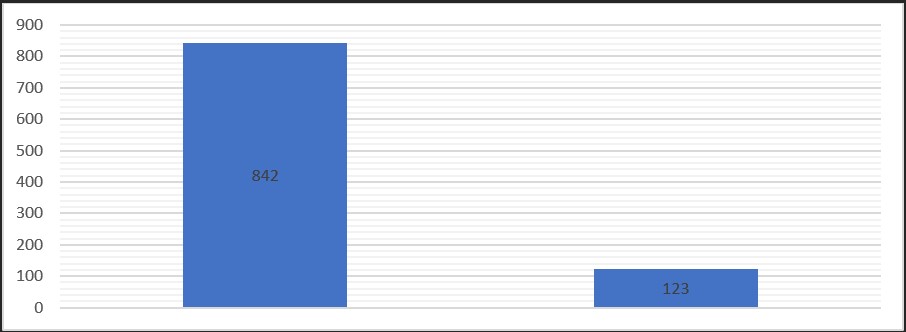
Figure 1: Latents hospitalized at the Neonatology Clinic during the 12-month period in 2020
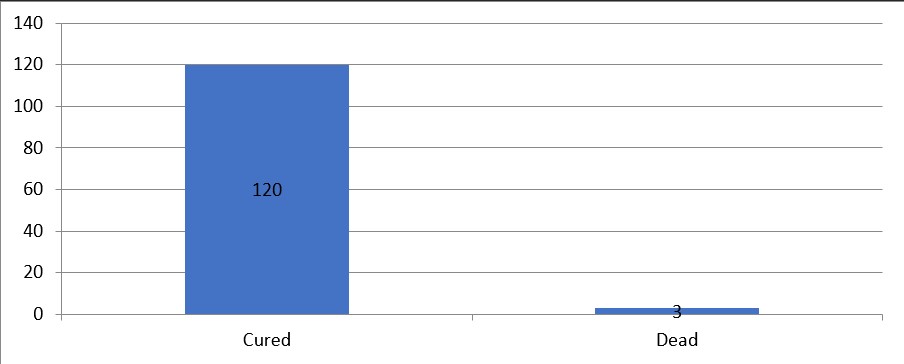
Figure 2: Latents recovered and died from jaundice in the Clinic of Neonatology during the 12-month period of 2020
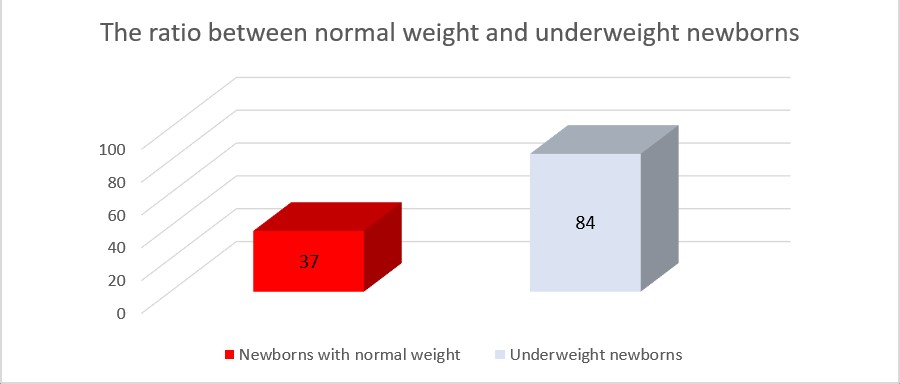
Figure 3: Normal-weight and underweight infants in the Neonatology Clinic during the 12-month period of 2020
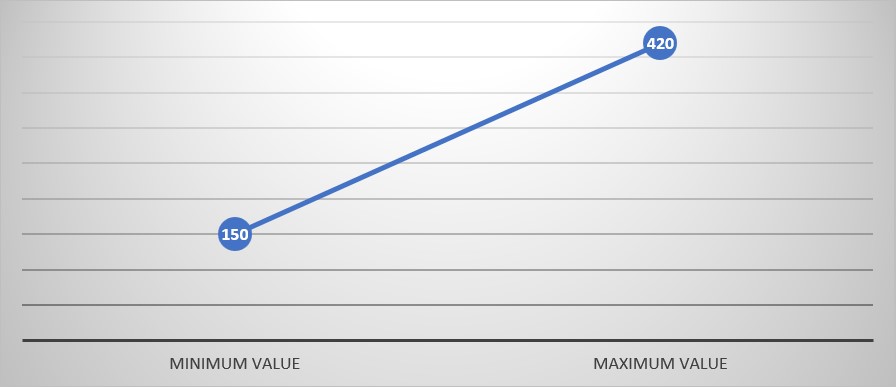
Figure 4: The minimum and maximum bilirubin levels in a total of 123 infants hospitalized in the Neonatology Clinic during the 12-month period in 2020
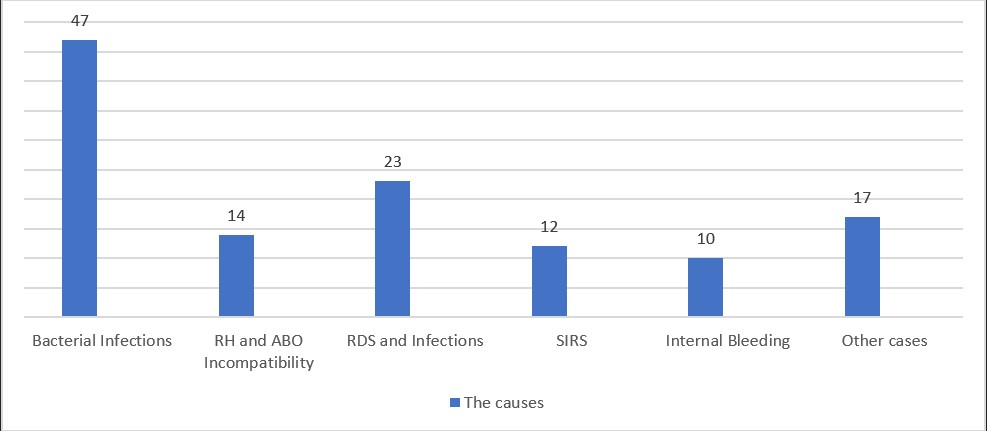
Figure 5: Diseases that caused jaundice in neonates in the Neonatology Clinic during the 12-month period of 2020
Another study was also performed on how babies with jaundicewere fed.The nutritional treatment of hospitalized patients is performed in two ways: 1. Breast milk nutrition, 2. Nutrition with industrial (artificial) milk formulas.
Breastfeeding started as soon as possible, as it is considered healthier than formula feeding. Children are fed 8-12 times a day because this approach helps the newborn perform as many bowel movements as possible and remove bilirubin. In some cases, when the concentration of bilirubin exceeded 300 μmol/L, the medicine was stopped, and the children were fed industrial milk formulas; at the same time, phototherapy was administered for a duration of 48-72 hours. However, when the bilirubin concentration decreased, artificial feeding was discontinued, and natural feeding was continued. Additionally, in some cases, surgical intervention was necessary. The reasons for surgical intervention were the opening of closed bile ducts, pyloric stenosis, intestinal obstruction and other conditions that are associated with jaundice.
Discussion
Jaundice is the yellow coloring of the skin and sclera in newborns and results from the accumulation of unconjugated bilirubin. In most infants, unconjugated hyperbilirubinemia reflects a normal transient phenomenon. However, in some infants, the serum bilirubin concentration may be excessively elevated, which may cause concern because unconjugated bilirubin is neurotoxic and can cause death in newborns and lifelong neurological sequelae in surviving infants (kernicterus). For these reasons, the presence of neonatal jaundice often results in diagnostic evaluation. During the research, comparisons were also made with other countries around the world; based on statistics, comparisons were weaker in Kosovo than in other countries.
In 2006, to 2007, C. Henny-Harry and H. Trotman described the epidemiology of neonatal jaundice at the University Hospital of the West Indies (UHWI). During the study, a retrospective review was performed of all neonates at the UHWI with clinically significant jaundice between January 1, 2006, and June 30, 2007. Demographic, clinical, and laboratory data were collected. Descriptive analyses were also performed [16].
According to the present study, the incidence of neonatal jaundice in the UHWI was 4.6% during the study period. There were 103 male (61%) and 67 (39%) female infants. The etiology of infant jaundice was attributed to ABO incompatibility in 59 (35%), infection in 30 (18%), prematurity in 19 (11%), G6PD deficiency in 8 (5%), and Rhesus incompatibility in 6 (3.5%) and no cause was identified in 16 (9%) infants. There was a low incidence (26%) of screening for G6PD deficiency, although it was the most common etiology for infants presenting from home. Nine (5%) neonates required blood transfusion. The infants admitted from home had a significantly greater mean total bilirubin level at presentation and a significantly greater mean peak bilirubin level than did those admitted from the ward after delivery (p < 0.001). One patient was discharged with a diagnosis of bilirubin encephalopathy but was lost to follow-up. Two new-borns died but from causes unrelated to neonatal jaundice. Sixty-two patients (37%) were followed up after discharge; 50% had hearing tests performed, and all tests were normal. Sixty-one (98%) infants had normal development at the time of the study [16].
Conclusions
- During the 12-month period of 2020, 123 babies with prolonged jaundice were treated in the Neonatology Department. A total of 120 patients fully recovered, while 3 of them died.
- The sex distribution revealed that men participated in 72 patients (58.53%), while women participated in 51 patients(41.46%).
- The greatest weight of newborn male children with jaundice was 4700 grams, while the smallest weight was 780 grams.
- The greatest weight of newborn female children with jaundice was 4000 grams, while the smallest weight was 750 grams.
- The structure of causes causing jaundice lists bacterial infections and premature birth as the main cause with 47 cases (38.2%), RDS together with infections with 23 cases (18.6%), Rh and ABO incompatibility with 14 cases (11.38%), SIRS with 12 cases (9.7%), followed by internal bleeding with 10 cases (8.13%) and 17 cases (13.8%) from different causes.
- The feeding process involved the use of breast milk; the children were fed 8-12 times a day, and the children were also fed industrial milk formulas.
- Treatment of hospitalized patients depends on the bilirubin concentration and the age and condition of the newborn.
- Children with total serum bilirubin levels higher than 350 μmol/L were treated with phototherapy, while in other cases blood exchange transfusion was used.
- The children were hospitalized for an average of 15 days.
The treatment of neonatal jaundice in our research showed that natural nutrition dominatesartificial nutrition, and phototherapy was also used in patients with bilirubin concentrations higher than 350 μmol/L. In some cases, surgical intervention was necessary. The reasons for surgical intervention include the opening of closed bile ducts, pyloric stenosis, intestinal obstruction and other conditions that have been associated with jaundice.
The most common complication was chronic bilirubin encephalopathy (kernicterus). Timely and accurate treatment has reduced the risk of new-borns developing kernicterus. In conclusion, 3 babies died from prolonged neonatal jaundice accompanied by other systemic diseases.
References
- Hyperbilirubinemia". Merck Manuals Professional Edition. August 2015. Retrieved 11 December2017.
- Jaundice in newborn babies under 28 days | Guidance and guidelines". NICE. October 2016. Retrieved 11 December2017.
- "Jaundice in newborn babies under 28 days". NICE. October 2016. Retrieved 11 December 2017.
- Olusanya, BO; Teeple, S; Kassebaum, NJ (February 2018). "The Contribution of Neonatal Jaundice to Global Child Mortality: Findings From the GBD 2016 Study". Pediatrics. 141 (2): e20171471.
- Juetschke, L.J. (2005, Mar/Apr). Kernicterus: still a concern. Neonatal Network, 24(2), 7-19, 59-62
- Colletti, JE; Kothari, S; Kothori, S; Jackson, DM; Kilgore, KP; Barringer, K (November 2007). "An emergency medicine approach to neonatal hyperbilirubinemia". Emerg. Med. Clin. North Am.
- Watchko, JF (December 2006). "Hyperbilirubinemia and bilirubin toxicity in the late preterm infant"(PDF). Clin Perinatol.
- Shah, Z; Chawla, A; Patkar, D; Pungaonkar, S (March 2003). "MRI in kernicterus". Australas Radiol.
- Malik, BA; Butt, MA; Shamoon, M; Tehseen, Z; Fatima, A; Hashmat, N (December 2005). "Seizures etiology in the newborn period". Journal of the College of Physicians and Surgeons--Pakistan.
- Gómez, M; Bielza, C; Fernández del Pozo, JA; Ríos-Insua, S (2007). "A graphical decision-theoretic model for neonatal jaundice". Med Decis Making.
- Click, R; Dahl-Smith, J; Fowler, L; DuBose, J; Deneau-Saxton, M; Herbert, J (January 2013). "An osteopathic approach to reduction of readmissions for neonatal jaundice".
- McDonagh, A. F. (2007). "Movement of Bilirubin and Bilirubin Conjugates Across the Placenta". Pediatrics.
- "BILIRUBIN AND THE VAN DEN BERGH REACTION"(PDF). Biochem Journal. Retrieved February 18, 2014.
- 24Stokowski LA (December 2006). "Fundamentals of phototherapy for neonatal jaundice". Adv Neonatal Care.
- 25Jones, Clay (9 May 2014). "Separating Fact from Fiction in the Not-So-Normal Newborn Nursery: Newborn Jaundice". Science-Based Medicine.
- Henny-Harry C, Trotman H. Epidemiology of neonatal jaundice at the University Hospital of the West Indies. West Indian Med J. 2012 Jan;61(1):37-42. PMID: 22808564.