
Aseptic nonunion of the tibia about 40 cases
Drs. Bensaka Mohammed, Mnina Ayoub, Omar Habiballah, Yassine Hamid Lah, Cheddadi Mohammed, Dounas Hamza, Pr. Abid Hatim, Pr. Elidrissi Mohammed, Pr. Elmrini Abdelmajid
Residence Jnane Pasteur, Boulevard Abdelmoumen, Casablanca, Morocco.
*Corresponding author
*Bensaka Mohammed, Residence Jnane Pasteur, Boulevard Abdelmoumen, Casablanca, Morocco.
DOI: 10.55920/JCRMHS.2024.07.001292
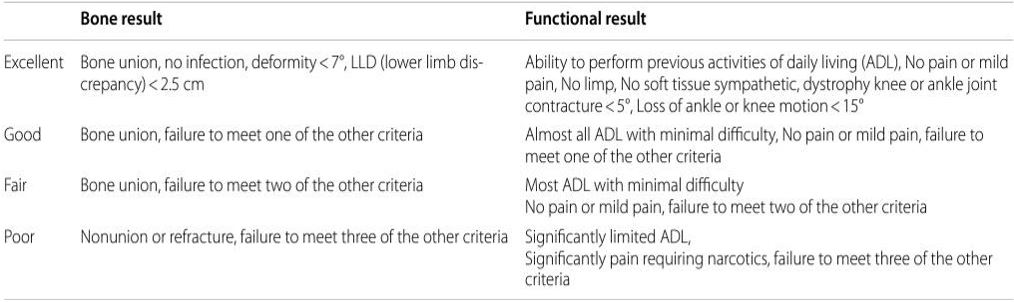
Table 2: Radio-clinical data of 40 patients.

Table 3: Pre-and post operative mobility.

Table 4: Bone and functional results of the 40 patients.

We excluded from our study: septic nonunion, metaphyseal–epiphyseal nonunion, nonunion on pathological fracture and nonunion treated by other surgical techniques, as well as patients with an incomplete medical file, or having refused treatment. The data were collected by doctors from the Trauma-Orthopedic department B4, using an operating sheet filled in from the medical records of the patients included in the study. We used the AO classification on the initial x-rays to classify tibial fractures.
Radiographs of delayed union showed no bone union between three and six months after initial treatment of the tibia fracture, while pseudarthrosis (PSA) tibial radiographs showed nonunion after six months. On these X-rays, we analyzed the initial treatment of the tibial fracture and the type of PSA. The indication for our surgical treatment was based on the presence of clinical signs of PSA (pain with or without mobility of the fracture site) and radiological (absence of bone union) after six months of the initial treatment.
The surgical treatment comprises an osteosynthesis by a traditional screwed plate associated with a corticocancellous autograft taken from the anterior ipsilateral iliac crest. The approach used was the anterolateral eg approach. Monopodal support was prohibited for 2 months and passive functional rehabilitation was started early with isometric contractions. All the patients were reviewed in consultation with an evaluation of the mobility of the knee and ankle, an assessment of the pain on a visual analogue scale, with a study of the morbidity of the engraftment site. The follow-up radiological assessment included a frontal and lateral view of the tibia. Consolidation was taken for obtained given the absence of graft necrosis and the existence of bone bridges between the two ends of the PSA site. To analyze the evolution of the aseptic nonunion of the leg after treatment, we used the ASAMI classification (Table 1).

Figure 1: A Placement of the cortico-cancellous graft. B Radiological result at 4 months.

Figure 2: Clinical result at 4 months.
Results Out of 546 leg fractures collected during the study period from January 2015 to January 2020, 45 cases (8.2%) were complicated by aseptic nonunion of the tibia. Of these 45 cases, 5 patients were excluded (3 lost to follow-up and 2 refused treatment). There remained 34 men (85%) and 6 women (15%) (Table 2). The average age of our patients was 41 years (range 28 to 59 years). Public road accidents were the main etiology found in 34 cases (85%), and there were also 3 cases (7.5%) of sports accidents (football): 2 cases (5%) of a fall from a high place and one case (2.5%) of aggression (Table 2). The initial open fracture was found in 35 cases (87.5%), with a predominance of type III according to Gustilo’s classification. No initial vasculo-nerve damage was present in the patients studied. T he study of the line of the initial fracture according to the AO classification of diaphyseal fractures of the tibia showed: eight fractures A1 (spiroid), eleven A2 (oblique), f ive A3 (transverse), seven B1 (torsion wedge) and nine C3 (comminuted) (Table 2). Initial bone loss was observed in 23 cases (57.5%). At diagnosis, all patients were in pain with an average visual analogue scale of 8/10 (range 5 to 10). Mobility of the nonunion site was observed in 10 patients (25%). The initial treatment consisted of 21 external fixation (52.5%), 3 screw plates (7.5%), 16 intramedullary nailing (40%) (Table 2). We found nine cases (22.5%) of technical errors in the initial treatment in our series. The most common site of aseptic nonunion of the tibia was the middle 1/3 of the tibia in 22 patients (55%). The nonunion-type study showed 4 eutrophic PSA (10%), 24 atrophic PSA (60%) and 12 hypertrophic PSA (30%) (Table 2).
The average time from initial treatment to treatment for nonunion was eight months (range 6–10 months). The immediate postoperative consequences were simple in 36 patients (90%), with 4 cases (10%) of superficial infection in patients initially treated with an external fixator, controlled by local care and appropriate antibiotic therapy. We noted no case of pressure ulcers or phlebitis, and all the intraoperative bacteriological samples came back negative. Radiological analysis revealed two vicious calluses of the tibia (1 callus n varus of 5° and 1 callus in recurvatum of 10°) which were functionally tolerable. In 37 patients (92.5%), union was obtained after a mean delay of 4.3 months (range 3–7 months), while 3 patients (7.5%) had a persistence of nonunion which resulted in need for multiple interventions. The criteria for recovery were absence of pain and radiological consolidation of the nonunion site. At the last follow-up, the mean mobility of the knee and ankle improved (Table 3). The results of our patients (Table 4) were analyzed according to the ASAMI score (Figs. 1 and 2).