
Injury to the Rectum During Excision of the Epithelial Tract of a Sacrococcygeal Pilonidal Cyst
Gullu Khanlar Abdiyeva PhD*
Associate Professor, Department of Surgical Diseases III, Azerbaijan Medical University
*Corresponding author
Gullu Khanlar Abdiyeva PhD, Associate Professor, Department of Surgical Diseases III, Azerbaijan Medical University
E-mail: gulluabdiyeva@mail.ru
DOI: 10.55920/JCRMHS.2025.12.001512
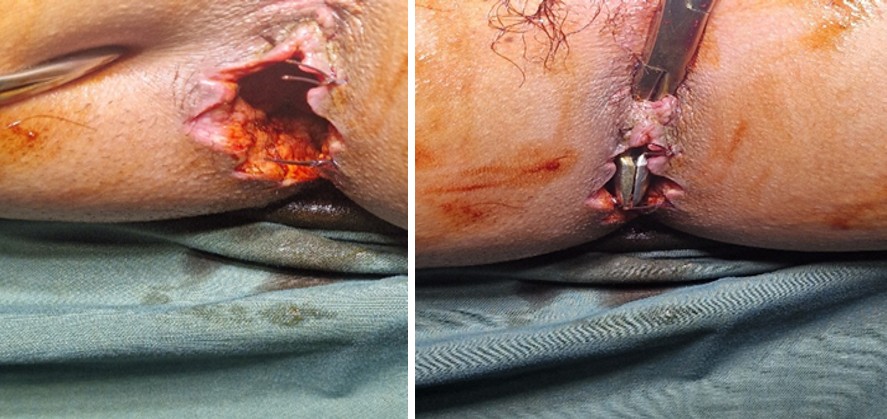
Figure 1 & 2: Rectal Wall Injury Following Excision of the Epithelial Tract
Under epidural anesthesia, excision of the fistulous tract tissue was performed down to the rectal wall. The newly formed wound was then sutured with Vicryl No. 48, starting from the projection of the coccyx. The injured portion of the rectal wall was closed with a primary suture. A portion of the skin and subcutaneous tissue was intentionally left unsutured for postoperative observation. Posterior sphincteroplasty of the rectum was carried out (Figures 3 and 4). Hemostasis was achieved. A rectal gas drainage tube was placed to reduce pressure in the ampullary region of the rectum.
The patient was discharged on the 11th postoperative day for outpatient follow-up and care. Post-discharge recommendations included daily warm sitz baths at 37°C and regular dressing changes until complete wound healing (Figure 5). Full epithelialization of the wound was achieved 48 days after surgery (Figure 6). Normal bowel function during defecation was completely restored.

Figure 3: Fifth postoperative day following rectal sphincteroplasty.

Figure 4: Tenth postoperative day following rectal sphincteroplasty.

Figure 5: Thirtieth postoperative day following rectal sphincteroplasty.
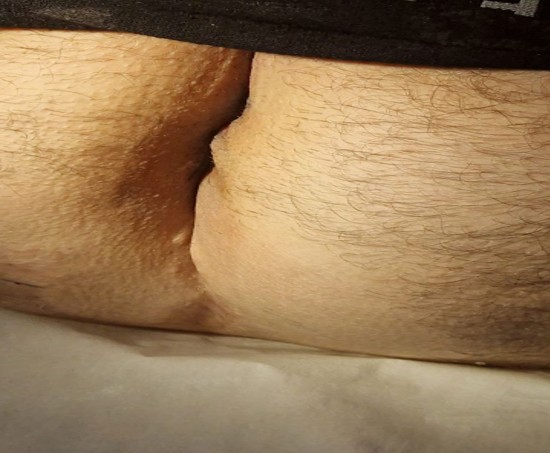
Figure 6: Forty-eighth postoperative day following rectal sphincteroplasty.