Rapid-Onset Rigidity and Neurocognitive Decline in a Patient with Refractory Triple-Negative Breast Cancer on Pembrolizumab: A Suspected Case of Paraneoplastic Stiff-Person Syndrome

Dr. Charlie Vidal, MD, MPH, MBA*, Dr. Annette Martinez Padilla, MD, Dr. Caroline Annette Rivera Olomo, MD

Manati Medical Center, Neuroscience Department, Manati, Puerto Rico

*Corresponding author

Dr. Charlie Vidal, Manatí Medical Center Neuroscience Department E-mail: dr.vidal@doctor.com

Abstract

Background: Stiff-person syndrome (SPS) is a rare neurological disorder that can occur as a paraneoplastic syndrome, or idiopathically—the patient need not necessarily have cancer or a toxic exposure. In oncologic settings, it may present as an immune-related adverse event (irAE) during immune checkpoint inhibitor therapy. Its diagnosis is often challenging when advanced malignancy coexists with diagnostic limitations.

Case Presentation: A 67-year-old woman with refractory triple-negative breast cancer (TNBC) presented with subacute onset of hypoactivity, rigidity, and generalized weakness following immunotherapy with pembrolizumab. Neurological findings included cogwheel rigidity and flexed posture with preserved cranial nerve reflexes. Brain imaging revealed a cerebellar infarct and cervical stenosis. Extensive paraneoplastic workup was not feasible. She was treated with corticosteroids and baclofen; only the latter resulted in neurological improvement. Despite symptomatic recovery, hospice care was initiated due to terminal oncologic prognosis.

Discussion: SPS may arise independently or as a paraneoplastic manifestation. In this patient, absence of steroid response and improvement with baclofen supported a diagnosis of SPS over immune-related encephalitis. Given her advanced TNBC and inability to undergo complete diagnostic workup, empiric therapy was ethically and clinically justified.

Conclusion: SPS should be considered in patients with malignancy and subacute rigidity. Empirical baclofen therapy may be diagnostic and therapeutic in the absence of full diagnostic confirmation.

Introduction

Stiff-person syndrome (SPS) is a rare autoimmune neurological disorder characterized by progressive rigidity and painful muscle spasms, most frequently affecting axial and proximal limb musculature. Though classically associated with anti-glutamic acid decarboxylase (GAD) antibodies, it may also occur without detectable autoantibodies, idiopathically, or as a paraneoplastic syndrome linked to breast or small cell lung cancers. SPS may also arise as a consequence of drug exposure or immune checkpoint blockade [1–2].

The clinical heterogeneity and overlap with other neurologic syndromes make SPS a diagnostic challenge, particularly in patients with advanced malignancies. This case details the presentation and empiric management of suspected SPS in a patient with triple-negative breast cancer (TNBC) undergoing pembrolizumab therapy. Her clinical course underscores the importance of recognizing SPS in patients presenting with unexplained rigidity and altered mental status, especially when advanced disease limits further diagnostics.

Case Presentation

A 67-year-old Hispanic woman with unresectable TNBC (ER <1%, PR <1%, HER2 1+) diagnosed in May 2024 presented in February 2025 with two days of hypoactivity, rigidity, anorexia, and generalized weakness. She had been on pembrolizumab with paclitaxel, later escalated to pembrolizumab with doxorubicin-cyclophosphamide due to disease progression.

She had experienced a month of neurological decline culminating in mutism, fixed limb postures, and impaired communication. Examination revealed increased tone, flexed arms, extended legs, and cogwheel rigidity. She was disoriented but responded to painful stimuli. Cranial nerves were largely intact. Brain MRI showed a small left cerebellar infarct (Figure 1), and cervical spine MRI revealed moderate canal stenosis with questionable cord changes. CSF analysis, EMG, and antibody testing were not pursued due to performance status and patient’s goals-of-care.

Laboratory evaluation showed normal CPK, thyroid panel, CK-MB, and cardiac enzymes. She was started empirically on methylprednisolone 40 mg IV every 8 hours, but no neurological improvement was noted. Baclofen 10 mg TID was initiated via nasogastric tube on March 1, 2025. Improvement in mental status and rigidity became noticeable around day 3-4 after initiation, coinciding with patient self-removal of the nasogastric tube. She was discharged on March 6, 2025, with continued improvement in mobility and communication (Table 2).

Management and Outcome

Given the subacute presentation of rigidity and encephalopathy in a patient on checkpoint inhibitor therapy, both paraneoplastic SPS and immune-mediated neurotoxicity were considered. Corticosteroids were initially administered without clinical benefit. Baclofen produced rapid symptomatic improvement, suggesting a hyperexcitability disorder such as SPS rather than encephalitis. Benzodiazepines were avoided due to sedation risk.

Repeat neurological evaluation confirmed normalization of tone and improved limb strength. The patient resumed simple verbal communication and cooperative interaction. Despite this, oncologic progression and refractory disease prompted a palliative care transition. She was referred to hospice care, with full consent and DNR confirmation.

Discussion

SPS is a disabling neurological syndrome of uncertain etiology, often associated with anti-GAD or anti-amphiphysin antibodies, and occasionally with malignancies or immune checkpoint inhibitors. The clinical phenotype includes limb stiffness, axial rigidity, painful spasms, and heightened sensitivity to stimuli. Diagnosis often requires a combination of clinical suspicion, electrophysiologic findings (continuous motor unit activity), and antibody detection [1,3].

Table 1: Initial Neurological Examination Findings

Table 2: Neurological Improvement Over Hospital Course
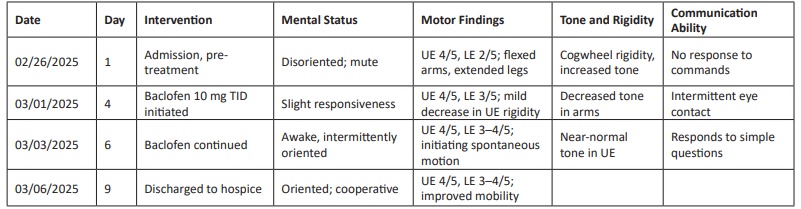
Figure 1: MRI Brain Showing Left Cerebellar Infarct

Checkpoint inhibitors such as pembrolizumab can induce neurologic irAEs that mimic or overlap with SPS, including encephalitis and limbic syndromes [2,4]. Differentiation is critical, as management differs. In this case, lack of steroid response, normal thyroid and CPK levels, and positive baclofen response supported SPS over encephalitis. Similar findings have been documented in controlled trials and case series where baclofen was used to treat SPS-related spasticity and rigidity [5,6].

The patient’s clinical setting—advanced TNBC, poor performance status, and refusal of invasive diagnostics—necessitated empirical management. SPS should be suspected in similar contexts, particularly when rapid clinical improvement follows GABAergic therapy. This case adds to the small but growing literature describing SPS in breast cancer, including under checkpoint inhibition [3].

Conclusion

Stiff-person syndrome is a rare but serious neurological condition that may present as a paraneoplastic phenomenon or an irAE in patients undergoing immunotherapy. It may also occur idiopathically or without malignancy. In advanced cancer with limited diagnostic options, empiric treatment with baclofen may serve both therapeutic and diagnostic purposes. Early recognition and symptom control are essential to improving quality of life, particularly in palliative settings.

Educational Impact / Learning Points

  1. Stiff-person syndrome is a rare disorder that can arise idiopathically, as a paraneoplastic syndrome, or as a complication of immune checkpoint inhibition.
  2. In patients with subacute rigidity and encephalopathy, a positive clinical response to baclofen may support a diagnosis of SPS, even without confirmatory testing.
  3. Empirical symptom management should be prioritized in patients with advanced malignancy and constrained diagnostic access.

References

  1. Dalakas MC (2009). Stiff person syndrome: advances in pathogenesis and therapeutic interventions. Curr Treat Options Neurol; 11(2): 102-110.
  2. Dubey D, David WS, Reynolds KL, et al (2020). Severe neurological toxicity of immune checkpoint inhibitors: growing spectrum. Ann Neurol; 87(5): 659-669.
  3. Vacaras V, Cucu EE, Radu R, et al (2020). Paraneoplastic stiff person syndrome in early-stage breast cancer with positive anti–amphiphysin antibodies. Case Rep Neurol; 12(2):339–347.
  4. Spain L, Walls G, Julve M, et al (2017). Neurotoxicity from immune-checkpoint inhibition in the treatment of melanoma: a single centre experience and review of the literature. Ann Oncol; 28(2):377–385.
  5. Silbert PL, Matsumoto JY, McManis PG, et al (1995). Intrathecal baclofen therapy in stiff-person syndrome: a double-blind, placebo-controlled trial. Neurology; 45(10):1893–1898.
  6. Abbatemarco JR, Willis MA, Wilson RG, et al (2018). Case series: intrathecal baclofen therapy in stiff-person syndrome. Neuromodulation; 21(7):655–659.
TOP