
Formulation and Evaluation of a Polyherbal Lip Balm
Ishan Mishrsa, Jyoti, Sonia, Ranjan Kumar Singh*, Dr. Rajeswari Tanniru, Dr. Chennu MM Prasada Rao
School of Pharmacy, Raffles University, Neemrana, behror-Kotputli, Rajasthan
*Corresponding author
Natural Lip Balm, Polyherbal Formulation, Antioxidant Properties, Healing Benefits, Natural Colorants, Cosmetic Formulation
DOI: 10.55920/JCRMHS.2025.11.001477

Figure 1: Coco Butter

Figure 2: Honey

Figure 3: Castor oil

Figure 4: Coconut oil
Fernandes et al. (2013): Fernandes and colleagues conducted a stability evaluation of an organic lip balm formulated with cocoa butter and carnauba wax. The study aimed to assess the product's performance under different storage conditions, including room temperature and refrigeration. The results showed that the lip balm maintained its organoleptic properties and functionality over 90 days, with a stable melting point of 72.9°C. The authors emphasized the importance of using organic ingredients to meet consumer demand for sustainable and effective cosmetic products.
Pawar et al. (2021): In a comparative study, Pawar et al. formulated two herbal lip balms, one using coconut oil and beeswax, and the other using almond oil and cocoa butter. The evaluation focused on moisturizing efficacy, texture, and user satisfaction. Both formulations demonstrated effective moisturizing properties and stability, with users reporting similar satisfaction levels.
The study highlighted the potential for using readily available natural ingredients in lip care products, encouraging the development of diverse herbal options.
Kokil et al. (2014): Kokil and colleagues reviewed the formulation of natural lip balms, focusing on the use of herbal ingredients to enhance lip care. The study highlighted the benefits of using natural colorants and moisturizers, such as beetroot and almond oil, in lip balm formulations. The authors emphasized the importance of evaluating the stability and efficacy of these products, noting that natural lip balms can provide effective protection against environmental factors while being safe for consumers.
Atmanto (2019): Atmanto's research investigated the effectiveness of virgin coconut oil (VCO) and castor oil in natural creams for treating dry skin. The study involved a comparative analysis of creams formulated with these oils, revealing that VCO significantly improved skin hydration and smoothness. The results demonstrated that the cream containing VCO was more effective than the castor oil formulation, with a notable increase in skin moisture levels. The study emphasized the potential of using natural oils in cosmetic formulations to enhance skin health.
Kadu et al. (2014): Kadu and colleagues reviewed the formulation of natural lip balms, focusing on the use of herbal ingredients to enhance lip care. The study highlighted the benefits of using natural colorants and moisturizers, such as beetroot and almond oil, in lip balm formulations. The authors emphasized the importance of evaluating the stability and efficacy of these products, noting that natural lip balms can provide effective protection against environmental factors while being safe for consumers.
Pawar et al. (2021): Pawar et al. conducted a comparative study on two herbal lip balm formulations, one incorporating coconut oil and beeswax, and the other using almond oil and cocoa butter. The evaluation focused on moisturizing efficacy, texture, and user satisfaction. Both formulations demonstrated effective moisturizing properties and stability, with users reporting similar satisfaction levels. The study highlighted the potential for using readily available natural ingredients in lip care products, encouraging the development of diverse herbal options.
Overview of Cosmetic and Lips
Introduction to Cosmetics
Cosmetics are substances, either synthetic or natural, applied to the body to beautify, cleanse, or enhance appearance without modifying bodily structures or functions. They encompass skincare products, makeup, haircare items, oral hygiene products, and fragrances. Although cosmetics are commonly utilized to enhance beauty, certain products may contain detrimental chemicals that cause health hazards, including skin irritation or carcinogenic effects. Recognizing these hazards is crucial, as cosmetics significantly influence both the fashion sector and everyday existence.[1]
Herbal Cosmetics and Their Growing Significance
Herbal cosmetics have gained popularity due to their excellent dermal compatibility. They are formulated with natural constituents such as herbs and shrubs, providing multiple advantages without adverse effects. Derived from traditional systems such as Ayurveda, Unani, and Homeopathy, these products offer antioxidant, anti-inflammatory, antiseptic, and antibacterial properties, rendering them highly suitable for skincare applications, including anti-aging treatments, anti-acne solutions, and sunscreen formulations.
In contrast to synthetic cosmetics, which can induce skin disorders or toxic reactions, herbal cosmetics nourish the skin with essential nutrients and minerals. The term "Cosmetic Phytocognosy" examines plant-based constituents utilized in cosmetics, highlighting the scientific exploration of botanical elements in beauty products. Contemporary cosmeceuticals integrate natural elements with technological advancements, delivering safe, hypoallergenic, and dermatologist-approved products. Coined in 1961, cosmeceuticals combine cosmetic and therapeutic advantages, enhancing both skin health and aesthetics. As the demand for natural alternatives continues to rise, herbal cosmetics are redefining personal care by harmonizing nature’s resources with innovative science to provide effective and safe beauty solutions.[2]

Figure 5: Aloe vera gel
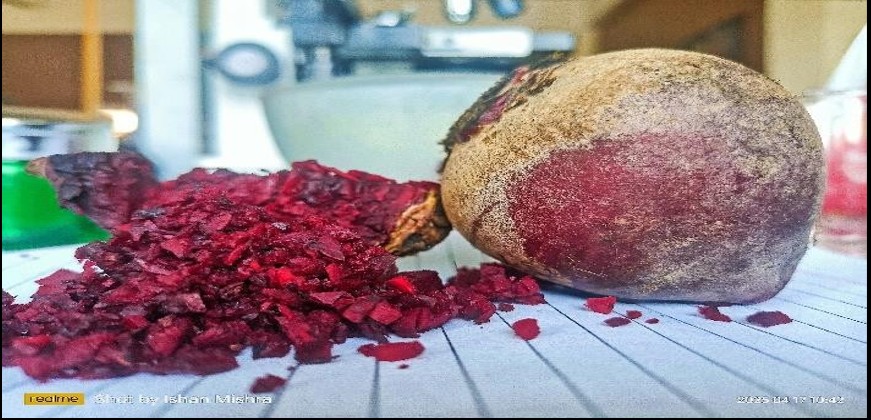
Figure 6: Beetroot extract
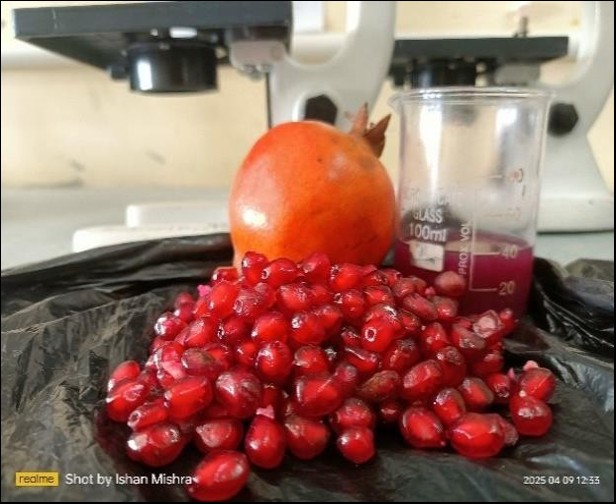
Figure 7: pomegranate extract
Anatomical Structure of the Lips
The lips consist of five primary anatomically distinct zones: the vermilion/white roll, subvermilion, peristomal, philtral column, and commissural regions. The lower lip vermilion is divided into medial and lateral zones, while the upper lip vermilion/white roll is further categorized into lateral, apical cupid’s bow, and central philtral zones. The subvermilion and peristomal areas are also divided into medial and lateral subdivisions.
The lips are delineated into four distinct regions: oral mucosa, hairy skin, vermilion rim, and vermilion. The vermilion, known for its characteristic red colour, is covered by specialized stratified squamous epithelium. The cupid’s bow defines the upper lip, while the cinnabar border separates the vermilion from the adjacent lighter facial skin.
Functional and Structural Composition of the Lips
The upper and lower lips, known as the labium superius oris and labium inferius oris, respectively, are composed of mucosa, vermilion, and cutaneous surfaces. The lower lip extends from the lateral commissures to the labiomental crease, while the upper lip spans from the nasolabial folds to the base of the nose. The lips converge at the commissure, where numerous muscles responsible for various lip movements are anchored.
The lips are densely populated with sensitive nerve endings and feature a transitional reddish skin area called the vermilion border. In neonates, the inner surfaces of the lips are denser and enveloped by a moist mucous membrane; sebaceous glands and papillae facilitate suction. The orbicularis oris muscle, along with adjacent facial muscles, provides structural support and enables a variety of lip movements essential for functions such as speech, suction, and facial expression.
Structurally, the lips are composed of skin, superficial fascia, muscles, areolar tissue, and a mucous membrane. The superior and inferior midline folds, or labial frenula, form as extensions of the inner mucous membrane connecting the lips to the gums. These elements highlight the critical role of the lips in both aesthetic appearance and physiological functions, illustrating their intricate anatomy and versatility.[3]

Figure 8: Rose oil

Figure 9: Vitamin E
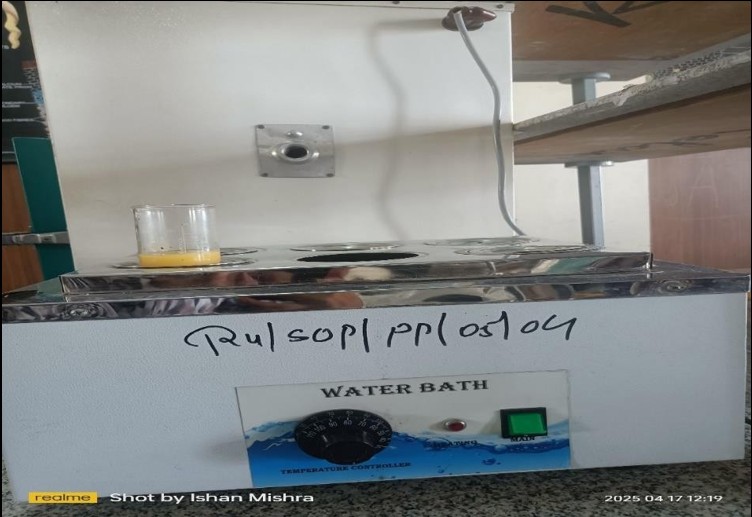
Figure 10: Preparation of base ingredients,

Figure 11: Spreadability Test
Disorders of lips: Allergic Reactions
Lip swelling can occur due to allergic reactions triggered by sensitivity to foods, beverages, medications, cosmetics, or airborne irritants. Typically, the swelling reduces once the underlying cause is identified and eliminated, though in some cases, the cause may remain unknown. Hereditary angioedema is a genetic condition that is characterized by recurrent episodes of lip swelling.
Sun-Related Damage
Prolonged sun exposure can cause the lips, especially the lower lip, to become dry and hard. Visible damage often appears as red spots or a white film, increasing the risk of cancer. Preventive measures include wearing a wide-brimmed hat and using lip balms with sunscreen to protect against harmful ultraviolet rays.
Inflammation and Other Conditions
Cheilitis, a condition causing painful, irritated, fissured, or scaly lip corners, may result from a deficiency of vitamin B2. Melanotic macules, which appear as freckles or brownish spots around the lips, are generally harmless. However, numerous small brownish-black spots can indicate “Peutz-Jeghers syndrome”, a hereditary disorder. Additionally, Kawasaki disease—a condition affecting children under eight—manifests through dry, glossy lips, erythema of the oral mucosa, and other symptoms.
Lesions and Health Concerns
Lip lesions or ulcers with well-defined borders might signify skin cancer. Other sores could indicate conditions like syphilis or oral herpes simplex virus infection. Certain issues, such as keratoacanthoma, lack a known cause. Maintaining lip health is essential for the early detection and treatment of potential underlying medical concerns.[4]

Table 2: Honey

Table 3: Castor Oil

Table 4: Coconut Oil

Table 5: Aloe Vera Gel

Table 6 : Beetroot Extract

Table 7: Pomegranate Extract

Table 8: Rose Oil

Table 9: Vitamin-E

In addition to its moisturizing and healing benefits, aloe vera gel is rich in vitamins A, C, E, and B12, all of which contribute to skin health and protection. Vitamin E, in particular, acts as a potent antioxidant that helps to neutralize free radicals, protecting the lips from premature aging and oxidative damage caused by environmental factors such as UV rays and pollution. Aloe vera gel’s light, non-greasy texture allows for easy application, providing a smooth and refreshing sensation without feeling heavy or sticky. It also enhances the overall feel of the lip balm, giving it a pleasant, soothing quality that makes it ideal for use throughout the day. As a natural ingredient, aloe vera gel is well-suited for individuals with sensitive skin, as it is less likely to cause irritation or allergic reactions compared to synthetic additives. It is also suitable for all skin types, including dry, oily, or combination skin, making it a versatile and inclusive ingredient in lip care products.
In conclusion, aloe vera gel is a highly effective and beneficial ingredient in lip balm formulations due to its moisturizing, soothing, anti-inflammatory, and healing properties. It helps to keep the lips hydrated, calm irritation, and promote the healing of damaged or cracked lips, making it an essential component in any lip care product aimed at providing long-lasting comfort and protection.[11][12], [13]
Detailed Profile:
Beetroot extract is derived from the root of Beta vulgaris, a plant belonging to the Amaranthaceae family. Known for its deep red colour, beetroot is packed with a variety of bioactive compounds, including betalains (betacyanins and betaxanthins), folates, vitamin C, and minerals such as iron and potassium. These components contribute to the extract’s numerous health benefits and make it a valuable ingredient in cosmetics and skincare formulations, including lip care products. One of the most prominent benefits of beetroot extract in lip balm is its antioxidant properties. The betalains, which give beetroot its characteristic red hue, are powerful antioxidants that help neutralize free radicals, which can damage skin cells and accelerate the aging process. By protecting the lips from oxidative stress, beetroot extract helps maintain their youthful appearance, making it a great choice for lip care products that aim to promote healthy, vibrant lips.
Beetroot extract also has anti-inflammatory properties, which are beneficial for calming irritation or inflammation. For lips that are cracked, chapped, or otherwise irritated, beetroot extract can help soothe the skin and reduce redness or swelling, promoting quicker healing. The anti-inflammatory compounds in beetroot extract also help reduce the risk of further irritation from environmental factors such as sun exposure or harsh weather conditions. In addition to its healing and protective properties, beetroot extract is rich in vitamins and minerals that nourish and condition the skin. Vitamin C, a potent antioxidant, helps in the production of collagen, which is essential for maintaining the structure and elasticity of the skin. The presence of folates, iron, and potassium further contributes to the nourishment and overall health of the lips, ensuring that they remain supple and hydrated. The extract also adds a natural tint to the lip balm, providing a soft, healthy color without the need for artificial dyes or pigments. This makes it a popular choice in natural cosmetics, where consumers are increasingly seeking products with clean, plant-based ingredients. The natural color imparted by beetroot extract can enhance the aesthetic appeal of lip balms, making them more appealing to consumers who prefer organic and natural beauty products. Moreover, beetroot extract has mild exfoliating properties, which help remove dead skin cells from the surface of the lips. This gentle exfoliation can result in smoother, softer lips, and its inclusion in a lip balm formulation helps to enhance the overall texture of the lips, making them feel refreshed and rejuvenated. Beetroot extract is also known for its ability to hydrate and moisturize the skin, which is essential in preventing the lips from becoming dry or cracked. When used regularly, it helps maintain the softness and suppleness of the lips, ensuring that they remain healthy and nourished.
In conclusion, beetroot extract offers multiple benefits for lip balm formulations, including antioxidant protection, anti-inflammatory effects, nourishment, and natural colour. Its ability to hydrate, soothe, and enhance the appearance of the lips makes it an ideal ingredient in lip care products that aim to improve lip health and provide a natural, vibrant look.[14][15]
Detailed Profile:
Pomegranate extract, derived from the fruit of Punica granatum, is highly valued in the cosmetic and skincare industry due to its potent antioxidant, anti-inflammatory, and anti-aging properties. The extract is made from both the peel and seeds of the fruit, which are rich in bioactive compounds, including punicalagins, ellagic acid, anthocyanins, and flavonoids. These constituents contribute to the many skin benefits of pomegranate extract, making it a valuable ingredient in lip balm formulations aimed at promoting healthy, youthful-looking lips. The antioxidant properties of pomegranate extract are one of its most significant benefits. Punicalagins, which are the primary antioxidants in pomegranate, are highly effective at neutralizing free radicals. Free radicals, generated by environmental stressors like UV rays, pollution, and harsh weather, contribute to skin aging and damage. By protecting the lips from oxidative stress, pomegranate extract helps maintain the lips' natural smoothness and elasticity, preventing premature aging and the development of fine lines and wrinkles. In addition to its antioxidant activity, pomegranate extract has powerful anti-inflammatory properties. The flavonoids and ellagic acid present in the extract work to reduce inflammation, which can be particularly beneficial for lips that are chapped, cracked, or irritated. These compounds help to soothe and calm the skin, promoting faster healing and reducing the risk of infection or further irritation. For individuals who suffer from sensitive lips or environmental irritants, pomegranate extract offers gentle relief and protection.
Pomegranate extract is highly regarded for its anti-aging benefits, primarily due to ellagic acid, which helps prevent collagen and elastin breakdown, keeping lips plump and youthful. It also provides deep hydration, working alongside coconut oil and aloe vera to maintain moisture levels and prevent dryness. Rich in antioxidants, pomegranate extract protects the lips from environmental damage while soothing and nourishing them. Additionally, it contains anthocyanins, responsible for its vibrant red hue, offering a natural tint to lip balms while enhancing aesthetic appeal. As consumers seek natural and plant-based skincare, pomegranate extract has become a multifunctional ingredient that promotes lip health by hydrating, protecting, and rejuvenating. Its ability to preserve collagen, provide moisture, and deliver antioxidant benefits makes it an ideal choice for lip balms designed to combat aging and enhance lip softness. The natural pigment and protective qualities of pomegranate extract make it a valuable addition to cosmetics that enhance lip colour while maintaining health.
In conclusion, pomegranate extract offers a wide range of benefits for lip care, including antioxidant protection, anti-inflammatory effects, anti-aging properties, and hydration. Its ability to nourish and protect the delicate skin of the lips makes it an essential ingredient in lip balm formulations designed to maintain youthful, healthy, and beautiful lips.[16], [17]
Detailed Profile:
Rose oil, derived from the petals of Rosa damascena, is a highly prized essential oil that has been used in traditional and modern skincare for its multitude of beneficial properties. Rose oil is well-known for its sweet, floral fragrance, making it a popular addition in cosmetics and personal care products. Beyond its pleasing scent, rose oil offers numerous benefits for the skin, particularly for lip care, where it contributes to hydration, healing, and the overall health of the lips. Rose oil contains various bioactive compounds, including citronellol, geraniol, nerol, and phenylethyl alcohol, which are responsible for its therapeutic effects. These compounds contribute to rose oil’s powerful antioxidant and anti-inflammatory properties, making it an excellent choice for soothing and rejuvenating the skin. One of the key benefits of rose oil is its ability to deeply hydrate and moisturize the skin. The oil is rich in essential fatty acids, which help to lock in moisture and prevent the skin from becoming dry or chapped. In lip balms, rose oil helps to keep the lips soft, smooth, and nourished, making it particularly beneficial during colder months when the lips are more prone to drying out. The moisturizing properties of rose oil also contribute to the elasticity of the lips, helping to maintain their plump and youthful appearance.
The antioxidant qualities of rose oil go beyond hydrating. Rose oil antioxidants, including flavonoids, neutralize free radicals and protect skin from oxidative stress. Free radicals damage collagen and elastin fibres, causing wrinkles, fine lines, and skin suppleness. Rose oil protects the lips from oxidative damage, preventing premature aging and keeping them looking young. Rose oil is calming and anti-inflammatory. It soothes sensitive skin, making it suitable for lip balms that treat cracked, painful, or chapped lips. Rose oil's anti-inflammatory ingredients minimize redness, swelling, and irritation, speeding healing and relieving sunburn and windburn. Rose oil also rejuvenates skin cells. This softens and smoothes lips. In lip balms, rose oil adds aroma. The product's beautiful flowery scent makes it more delightful to apply. Rose oil fragrance reduces tension and promotes relaxation. This makes it a great complement to lip balms that care for the lips and relax the mind.
In conclusion, rose oil is a versatile and beneficial ingredient in lip balm formulations due to its antioxidant, anti-inflammatory, moisturizing, and rejuvenating properties. It helps to hydrate, soothe, and protect the lips while enhancing their appearance and promoting healing. The addition of rose oil in lip care products ensures that the lips remain soft, smooth, and youthful, while also offering a fragrant, calming experience.[18]
Table 10: Ingredients and quantities used in the polyherbal lip balm formulation

Table 11: Evaluation parameters and expected values for the polyherbal lip balm

Detailed Profile:
Alpha-Tocopherol, or vitamin E, is a fat-soluble vitamin essential for skin health and is found in many cosmetic products, including lip balms. Vitamin E protects the skin from free radical-induced oxidative stress, which can cause premature aging and dermatological issues. Alpha-Tocopherol is the main Vitamin E component in cosmetics, but Gamma-Tocopherol and Tocotrienols boost its antioxidant properties.
These chemicals are found in wheat germ, sunflower, and safflower oils. Vitamin E in its synthetic form is used in skincare formulations because it is more stable and absorbs better. Vitamin E's antioxidant properties make it a great lip balm ingredient. Free radicals, produced by pollution, UV radiation, and stress, are the main cause of skin aging and damage. Free radical neutralization by vitamin E protects skin and lips from oxidative stress. The lips need this protection to prevent fine lines, wrinkles, and other signs of ageing.
Vitamin E is known for its antioxidant and moisturizing properties. Emollients help lips stay hydrated. Vitamin E keeps lips soft, smooth, and nourished by preventing chapping and flakiness. Vitamin E has legendary skin-rejuvenating and therapeutic properties. It restores damaged skin, making it ideal for chapped or fissured lips.
The vitamin improves blood circulation and skin cell regeneration to speed up healing. It is ideal for lip balms that rejuvenate and protect lips from environmental damage. Vitamin E provides moderate UV protection in lip care formulations. Vitamin E can absorb some UV rays and reduce sun damage, but it cannot replace sunscreen.
This preventive function prevents sunburn and premature lip aging from UV radiation. This matters because lip skin is delicate and more susceptible to UV damage. Vitamin E reduces skin inflammation. Vitamin E's anti-inflammatory properties reduce redness, swelling, and discomfort, speeding lip healing and preventing further irritation.
Furthermore, Vitamin E smooths and softens the lips, making them feel plumper and more youthful. Regular use of Vitamin E in lip balm can help maintain the lips' suppleness and prevent them from becoming rough or dry, contributing to a healthier and more radiant smile. The inclusion of Vitamin E in lip care products ensures that the lips remain healthy, soft, and youthful, providing long-lasting protection and care.[19]
Ideal Properties
- Softening: The lip balm must efficiently moisturize and soften the lips, guaranteeing they remain smooth and pliable.
- Longevity: It must provide enduring wear, preserving its efficacy and coverage without necessitating frequent reapplication.
- Gentle Formula: The formulation must be gentle, appropriate for all skin types, and devoid of any components that could induce irritation or allergic responses.
The adhesive film must attach securely to the lips, creating a protective, smooth, and non-crackly covering while eschewing any sticky or tacky sensation.
- Healing: Contains herbs known for their healing properties, like aloe vera or calendula, to soothe and repair damaged lips.[20]
Advantage of Lip Balms
Lip balms provide protection, hydration, and healing, thereby maintaining the health and appearance of the lips.
Ultraviolet Protection: Sunblock lip balms effectively shield the lips from harmful UV radiation, preventing sun damage and promoting long-term lip health.
Global Compatibility: These products are versatile and accessible to everyone, as they are designed for all genders.
Remedy for Lip Damage: Lip balm formulations alleviate lips damaged by cold sores, chapping, and dryness, improving skin condition.
Comfort and Protection: Optimal lip balms ensure effortless application, preventing dryness or friction. They create a uniform protective barrier across the lips that safeguards them from external factors like UV radiation, desiccation, and pollution.
Rejuvenation and Restoration: Lip balms promote healthy, supple lips by rejuvenating and revitalizing them, alleviating issues caused by colds, flu, or allergies.
Enhancing Natural Aesthetics: Natural lip cosmetics combine aesthetics with care by improving lip skin quality, enhancing facial attractiveness.[21]
Disadvantage of Lip Balm
- Inferior Ingredients: Lip balms composed of substandard components may damage the lips, potentially leading to dryness rather than delivering hydration.
- Lip Balm Dependency: Regular application may result in a habitual dependence on lip balm, occasionally termed "lip balm addiction."
- Reduced Durability: Homemade lip balms typically have a shorter duration of effectiveness compared to commercially manufactured alternatives, necessitating more frequent
- Emphasis on Aesthetics Over Health: Certain brands prioritize visual appeal over lip care, resulting in products that may gradually reduce the natural colour, smoothness, and luster of the lips.
- Challenges with Natural Ingredients: Naturally sourced colours and flavours are more difficult to procure and may provide stability challenges in formulations.
- Disadvantages of Natural Oils: Some natural oils may be excessively greasy, comedogenic (pore-clogging), and possess reduced spreadability, hence impacting usability.[4]
Comparison of Herbal and Synthetic Lip Balms
- Synthetic Lip Balm Ingredients: These lip balms commonly contain petroleum-based components such as mineral oil and petrolatum, along with chemically manufactured emollients. These substances provide an initial glossy appearance and extend shelf life.
- Potential Risks of Synthetic Lip Balms: While synthetic ingredients enhance durability, they may cause irritation or allergic reactions in individuals with sensitivities. Additionally, they offer only short-term moisturization without nourishing the lips at a cellular level.
- Herbal Lip Balm Benefits: Herbal lip balms, particularly those formulated with natural extracts like pomegranate and beetroot, enhance the lips' appearance while providing medicinal benefits.
- Advantages of Pomegranate Extract: Pomegranate boasts strong anti-inflammatory properties and promotes collagen production, leading to better barrier function and sustained
- Effects of Beetroot Extract: Beetroot is rich in vitamins and antioxidants, naturally enhancing lip color while offering nourishment.
- Health-Friendly Composition of Herbal Lip Balms: These formulations avoid synthetic components and preservatives that may harm the body, making them safer for regular use.
- Sustainable Beauty Trend: The rising preference for environmentally responsible beauty products reflects a shift toward herbal alternatives that support both personal care and
- Holistic Lip Care: By addressing both immediate hydration and long-term lip health, herbal lip balms offer a compelling alternative to conventional synthetic options.[22]
Formulation Development
The formulation of the natural polyherbal lip balm was carried out through a carefully designed stepwise process to ensure maximum retention of the herbal ingredients' beneficial properties. Special attention was given to temperature control, homogenization, and the order of mixing different categories of materials (base ingredients, humectants, herbal extracts, essential oils, and antioxidants). The overall goal was to achieve a smooth, stable, aesthetically pleasing, and therapeutically effective lip balm.
Preparation of Base Ingredients
The foundation of any lip balm lies in the base, which primarily consists of oils and butters that provide emollience and create a protective barrier over the lips.
- Cocoa butter, coconut oil, and castor oil were selected as base ingredients for their excellent moisturizing properties and skin compatibility.
- The required quantities of cocoa butter, coconut oil, and castor oil were accurately weighed using a digital weighing balance.
- These ingredients were transferred into a clean, dry beaker resistant to
- The beaker was placed in a water bath maintained at 60–70°C, ensuring a gentle and uniform heating process. Direct flame heating was avoided to prevent degradation of oils and
As the ingredients started to melt, the mixture was stirred continuously with a glass rod to ensure uniform blending. A homogeneous liquid phase indicated the complete melting of the base components. This phase is crucial as it ensures that the final lip balm will be free from granules or uneven textures.
Addition of Humectants
Once the base ingredients were thoroughly mixed and melted, the beaker was removed from the water bath. The mixture was allowed to cool slightly, bringing the temperature down to around 45°C. This temperature range is critical because certain bioactive ingredients like honey and aloe vera gel may lose their beneficial properties if exposed to excessive heat.
- Freshly measured honey was added slowly into the slightly cooled oil phase, followed by aloe vera gel.
- Continuous stirring was maintained during this addition to ensure proper dispersion of the hydrophilic components within the lipophilic base.
- Honey acts as a humectant by drawing moisture to the lips, while aloe vera gel provides soothing, anti-inflammatory effects.
Homogeneity at this stage ensures a uniform texture in the final product without any phase separation.
Incorporation of Herbal Extracts
Upon further cooling of the mixture to approximately 35–40°C, heat-sensitive herbal extracts were incorporated carefully:
- Beetroot extract was added first to impart a natural pink tint and antioxidant
- Pomegranate extract is followed, adding natural pigmentation and offering additional antioxidant protection against environmental damage.
These extracts were pre-prepared and filtered to ensure smooth dispersion in the lip balm. Stirring was continued to achieve a uniform distribution of colour and bioactive components. Care was taken to avoid vigorous stirring, which might introduce air bubbles.
Addition of Essential Oils and Antioxidants
At a further reduced temperature (around 30–35°C), rose oil and vitamin E oil were added:
- Rose oil was added to enhance the fragrance and provide mild antiseptic and anti-inflammatory benefits.
- Vitamin E oil was incorporated as a powerful antioxidant to improve the shelf life of the product and offer additional skin-repairing properties. Temperature addition ensures that the volatile essential oils retain their fragrance and therapeutic potency without evaporating.
Molding and Setting
Immediately after the complete incorporation of all ingredients, the still-liquid lip balm was carefully poured into pre-sterilized lip balm molds or small containers. Sterilization of containers was performed beforehand using either dry heat or alcohol-based methods to prevent microbial contamination.
The containers were left undisturbed at room temperature to allow the lip balm to solidify naturally. Rapid cooling (e.g., using a refrigerator) was avoided initially to prevent the formation of cracks or uneven surfaces. After complete solidification, the lip balm samples were labelled appropriately and stored in a cool, dry place for further evaluation and testing.
Evaluation of Lip Balm
A systematic evaluation of the prepared polyherbal lip balm is essential to ensure its safety, efficacy, and stability. Various parameters such as physical appearance, pH, spreadability, melting point, stability, irritation potential, hardness, stickiness, and fragrance stability were evaluated. Each parameter plays a crucial role in determining the overall quality and performance of the lip balm.
Physical Appearance Purpose:
To assess the external features such as colour, texture, homogeneity, and surface uniformity of the lip balm, ensuring it is cosmetically acceptable.
Materials: Clean white background, normal lighting conditions, magnifying lens (if required).
Method: The lip balm was visually inspected for colour, uniformity, smoothness, and absence of phase separation, grittiness, or particle presence. The texture was evaluated by touching the balm to feel its smoothness and consistency.
Result: The lip balm should display a smooth, glossy, and even surface with uniform colour throughout. It should not show signs of crystallization, oil separation, or any lumps.
Ph Determination Purpose:
To confirm that the lip balm has a skin-friendly pH to avoid any irritation to the sensitive skin of the lips.
Materials: Distilled water, pH meter or pH paper, beakers, glass rods.
Method:A small amount of lip balm (about 1 g) was dispersed in 10–20 mL of distilled water. After allowing it to stand, the pH of the dispersion was measured using a calibrated pH meter
Result: The pH falls within the range of 6.0 to 6.5, which matches the natural pH of lips and ensures the product is mild and non-irritating.
Spreadability Purpose:
To determine the ease with which the lip balm spreads over the lips, ensuring effortless application.
Materials: Glass slides, standard weights, and a measuring scale.
Method: A fixed amount of balm was sandwiched between two glass slides, and a known weight was applied. After a specific time, the diameter of the spread area was measured.
Result: A good spreadability is indicated by a wide, even film formation without fragmentation or resistance. The balm should glide smoothly without leaving clumps.
Melting Point Determination Purpose:
To ensure that the lip balm remains solid at room temperature but melts upon application to the lips.
Materials: Melting point apparatus, capillary tubes.
Method: The lip balm was filled into a capillary tube and placed in a melting point apparatus. The temperature at which the balm started to melt was recorded.
Result: The lip balm should have a melting point between 60°C and 70°C, allowing it to remain stable under normal storage conditions but soften easily on contact with the skin.
Stability Testing Purpose:
To determine the stability of the lip balm under different storage conditions over time.
Materials: Incubators are set at 4°C (refrigeration), 25°C (room temperature), and 40°C (accelerated stability), airtight containers.
Method: Samples of the lip balm were stored at different temperatures. Observations regarding changes in colour, odour, texture, pH, and spreadability were recorded at intervals of 7, 15, 30, 60, and 90 days.
Result: A stable lip balm shows no significant changes in physical appearance, fragrance, pH, or consistency over time. Minor changes at elevated temperatures are acceptable but should not affect performance.
Irritation (Patch) Test Purpose:
To check the potential of the lip balm to cause irritation on the skin.
Materials: Healthy volunteers, occlusive patches, observation chart.
Method: A small amount of lip balm was applied to the forearm of volunteers and covered with an occlusive patch for 24 hours. The application site was observed for redness, swelling, or itching after 24, 48, and 72 hours.
Result: The lip balm should not cause any visible irritation. Mild and transient redness may occur but should resolve quickly without treatment.
Stickiness and Hardness Testing Purpose:
To determine if the lip balm is of appropriate firmness and if it leaves an undesirable sticky feeling after application.
Materials: Texture analyzer (optional), finger pressure method.
Method: The hardness was tested by applying finger pressure to the balm and noting the resistance. Stickiness was assessed by rubbing the balm between two fingers and observing the tackiness.
Result: The balm should be firm enough to retain its shape but soft enough for easy application. It should not feel excessively sticky on the lips or fingers.
Fragrance Stability Observation Purpose:
To ensure that the fragrance of the lip balm remains pleasant and does not degrade over time.
Materials: Storage samples from the stability study.
Method: At each stability testing interval, the fragrance of the lip balm was evaluated by direct smelling and compared to the original sample.
Result: The fragrance should remain fresh and pleasant throughout the storage period. Any development of off-odors would indicate fragrance instability or oxidation of ingredients.