Abdelrazak Mansour Ali¹,*, Mohamed Abdel Tawab Ibrahim², Radwa
Abdelrazak Ali³
¹Professor of Pediatrics (MD, PhD), International Center for Population Studies & Research, Al-Azhar University, Cairo, Egypt.
²Doctor of Medicine (MD), Ministry of Health, General Director of Marsa Alam Hospital, Quality Management Consultant, Egypt.
³Associate Researcher, Neuroscience Specialty, George Mason University; Department of Research, National Institutes of Health, USA.
*Corresponding author
Abdelrazak Mansour Ali, Professor of Pediatrics (MD, PhD), International Center for Population Studies & Research, Al-Azhar University, Cairo, Egypt
Abstract
Religion continues to exert a significant influence on the conceptualization of health and disease. In many societies around the world, beliefs in supernatural phenomena, including spiritual entities such as Satan and Jinn remain prevalent. Within this context, certain frameworks suggest that such entities may be metaphorically or energetically associated with natural energy forces, such as microwave-generated ultrasound due to its capacity to generate heat and influence biological systems. Speculatively, it has been proposed that Satan could manifest through technological systems involving ultrasound and thermal energy. One hypothesis posits that focused ultrasound exposure may induce transient pore formation in cellular membranes, thereby increasing intracellular calcium influx. Elevated calcium levels—particularly in neurons—could influence synaptic transmission and potentially contribute to altered states of consciousness, confusion, or cognitive disruption. Within this framework, Satan is conceptualized as an energetically amplified and more skillful variant of the Jinn.
Oxidative stress, which can damage essential biomolecules such as DNA and proteins, is well recognized as a contributing factor in the pathogenesis of many diseases. Negative ions have been shown as a countermeasure against oxidative stress by neutralizing free radicals, thereby potentially enhancing biological functions such as cellular metabolism, immune response, digestion, and neural regulation. Some studies further propose that negative ions may bind to or neutralize positively charged autoantibodies, thus reducing autoimmune tissue damage in conditions such as rheumatoid arthritis and systemic lupus erythematosus. Additionally, it is speculated that activated brain regions may interact with broader cosmic energies to access information. A theoretical interplay is proposed among ultrasound, electromagnetic (EM) fields, calcium signaling, and superconductive tryptophan dynamics within brain microtubules. From this perspective, a form of applied quantum entanglement might underlie consciousness and enable potential communication across domains involving humans, Jinn, and Satan. In this framework, the soul is interpreted as a quantum field that interacts with the physical forces of the universe, particularly the EM fields generated by neuronal activity. It is well established that neural electric fields produce EM signals that encode information relevant to working memory. In condensed matter physics, electrons and phonons are key excitation particles: electrons mediate electrical conductivity, while phonons govern thermal conductivity and are central to the phenomenon of superconductivity.
Keywords: Ultrasound, Ca²⁺, Satan, Jinn, Fields.
Introduction
To our knowledge, this is the first study to investigate the potential role of Jinn and Satan in the pathogenesis and enigmatic causes of various physical and cognitive brain disorders. This pioneering research opens new avenues for further exploration into the effects of "Satanic sonoporation," calcium channel dynamics, and their potential influence on human health.
Creationism and Scientific Discourse. Creationism is the belief that the universe and all forms of life were created by God ex nihilo (out of nothing). Although the concept of divine creation is ancient, modern creationism primarily emerged in response to evolutionary theory, which explains the diversity of life without invoking divine intervention. Creationist perspectives also frequently challenge the Big Bang theory [1]. While mainstream scientists largely reject creationism due to its lack of empirical support, a comprehensive explanation for the universe’s apparent intelligent design remains elusive and continues to challenge conventional scientific reasoning.
In 1984, The Mystery of Life’s Origin was published, supported by the Christian-based Foundation for Thought and Ethics (FTE). The book presented scientific arguments against existing theories of abiogenesis and proposed a hypothesis of special creation. Whereas earlier creationist efforts focused on fossil evidence and biblical accounts, this work questioned whether even the simplest living systems could have arisen from natural, unguided processes [2].
Historical Perspectives on Possession and Mental Illness. During the medieval period, demonic possession was frequently cited as a cause of erratic behavior [3]. Belief in magic and supernatural forces continues to persist across various cultures and religions [4]. Historical records reveal that mental illnesses were often attributed to demonic possession, particularly in medieval and early modern Europe [5,6]. In some Southeast Asian cultures, mental illness is interpreted as a consequence of disrespecting spirits or deities [7]. Today, mental disorders remain a major global health concern, affecting approximately 450 million people worldwide, with over 75% residing in developing countries [8].
Jinn in Religious and Cultural Contexts. Religion continues to shape health beliefs globally. One Islamic concept that has influenced Western culture is that of the Jinn, popularized through stories such as Aladdin. However, Islamic teachings portray Jinn as real entities inhabiting a parallel realm, capable of influencing both physical and mental health, including through possession [9].
Demonic Entities: Satan and Shaytan. The term "demon" derives from the Greek word daimon, originally referring to a supernatural being [10]. While it once denoted a neutral spirit that influenced human behavior, the term has evolved to carry predominantly negative connotations. In Islamic tradition, Satan (Shaytan) is considered a variant of the Jinn and is described as the most energetic and skillful among them.
Jinn Possession and Psychiatry. Beliefs in soul possession are widespread and have been explored in ethnographic and psychiatric literature [11,12]. Psychiatrist and anthropologist Roland Littlewood defined possession as the entry of an alien spirit or force into an individual, altering that person’s actions and identity [13]. Symptoms attributed to Jinn possession may include sudden behavioral changes, unexplained illnesses, intense anxiety, or auditory hallucinations. While some scholars interpret possession as a culture-bound syndrome, others argue that the core phenomenon is universal despite cultural variations in expression [14]. According to Whitwell and Barker [15], the term "possession" can describe two distinct states: one involving supernatural attribution, and another reflecting clinical syndrome characterized by clouded consciousness, altered behavior, and amnesia. Despite the cultural significance of possession, there is limited scientific literature on Jinn possession. This paper aims to examine its religious, cultural, and psychiatric dimensions and to provide guidance for clinical assessment and management.
Discussion
This study provides a detailed analysis of the available data and raises critical questions: Are ultrasonic beings such as Jinn and Satan rare, or have they simply been under-researched? We propose a mechanistic model linking Jinn-Satan phenomena, calcium ion flux, human consciousness, and idiopathic diseases. Studies by Abdelrazak et al. suggest that Jinn-Satan entities are composed primarily of ultrasound energy [16,17]. The invisible, silent transmission of ultrasound beams metaphorically reflects the mysterious and seemingly magical nature of these phenomena. The scarcity of scientific publications in this area presents both a challenge and a significant opportunity for discovery. There is a pressing need for more research and the development of a unified validation framework for investigating Jinn-Satan interactions. Descriptions of Jinn possession in Orthodox psychiatric literature offer important insights. For example, Gadit reported psychiatric symptoms attributed to possession, including hallucinations, antisocial behavior, sudden voice changes, claims of precognition, speaking unknown languages, seizures, and unusual physical strength. A proposed diagnostic category “schizohysteria” has not yet been formally adopted in psychiatric classifications [18]. Furthermore, a general lack of understanding causes of mental illness among patients and families remains a significant concern [19].
Ultrastructure of Jinn-Satan. Jinn-Satan entities are theorized to originate from microwave-generated ultrasound energy, capable of penetrating solid materials via mechanisms like those used in microwave-induced thermoacoustic tomography (MITAT). This imaging system employs microwaves as an excitation source and ultrasound as the carrier of information. When biological tissues absorb electromagnetic energy, localized temperature increases occur, leading to thermal expansion and the generation of ultrasonic signals—an effect known as the thermoacoustic phenomenon [20]. Wang et al. developed a MITAT system that produces high-resolution three-dimensional images, enabling deep tissue imaging with exceptional spatial and temporal resolution. Their system utilizes high-energy microwave pulses to excite polar molecules and ions in tissues, which are then detected through passive ultrasound monitoring. This approach achieves a frame rate of 100 Hz at tissue depths of up to 60 mm [21].
To enhance functional efficacy, ultrasound can assist microwave energy in penetrating matter more effectively, thereby improving heating efficiency. Simultaneously, microwave energy can enhance the effects of ultrasound, accelerating mass transfer and facilitating chemical reactions [22]. Furthermore, ultrasound has been demonstrated to move heavy objects almost instantaneously. Andrade and Marco et al. demonstrated acoustic levitation, in which matter is suspended in air against gravity using acoustic radiation pressure generated by high-intensity sound waves [23,24].
Religious Texts and Jinn-Satan. Satan and Jinn are referenced over 200 times in the Bible. Satan is described as "the god of this world" (2 Corinthians 4:4) and is said to spiritually blind the minds of non-believers (Ephesians 4:18). However, biblical texts do not specify the material structure or mechanism of creation of Satan or the Jinn. In contrast, the Holy Qur’an provides scientifically provocative descriptions. It states: “And He created the jinn from a smokeless, pulsing flame of fire” (Surat Ar-Rahman 55:15) and “And We created the jinn before from a porous, poisonous fire” (Surat Al-Hijr 15:27). These Holy verses suggest a dynamic, energetic origin that may resonate with certain interpretations in modern physics and energy-based frameworks.
Figure 1: Basic schematic diagram of thermoacoustic imaging: (a) microwave pulses exciting biological tissue, (b) thermoelastic expansion of biological tissue producing ultrasonic waves, and (c) distribution of microwave energy absorption density directly reconstructed by the thermoacoustic image [20].
Technological Manifestations of Satan. Satan may hypothetically manifest through technological applications involving ultrasound and thermal mechanisms. Ultrasound can induce transient pores in cellular membranes, resulting in increased intracellular Ca²⁺ influx. This physiological disruption affects synaptic transmission in the brain, potentially leading to clouded consciousness, memory impairment, and cognitive deficits [25]. The 19th-century physicist James Clerk Maxwell proposed a thought experiment involving an intelligent “demon” capable of harvesting thermal fluctuations to create order from chaos. Later work in the 20th century demonstrated that such a "demon" would itself generate entropy, thereby maintaining thermodynamic equilibrium [26]. In 2014, Pekola et al. experimentally realized a Szilard engine and subsequently developed an autonomous Maxwell’s demon capable of extracting microscopic information to reduce entropy through feedback mechanisms. This system included two capacitively coupled single-electron devices within a shared circuit. Its functionality was evidenced by a temperature drop in the main circuit and a concurrent rise in the demon circuit, driven by mutual information processing [27,28]. The team also proposed using superconducting qubits as platforms for studying quantum versions of Szilard engines [29].
Satanic Syndrome and Disease Mechanisms. Satan and Jinn, as composed of microwave-induced ultrasound are associated with high thermal output, a unique property among natural waveforms [30,31]. "Satanic Syndrome" may be conceptualized as a triad of chronic pain, fatigue, and neurological symptoms. Ultrasound-induced membrane poration can elevate intracellular calcium concentrations, disrupting synaptic transmission and impairing cognitive function [17]. Its pathogenesis involves moderate calcium overload, which impairs mitochondrial oxidative phosphorylation, inhibits ATP synthesis, and reduces oxygen utilization [32]. These disruptions lead to an unfavorable shift in the NAD⁺/NADH ratio and interfere with fundamental metabolic processes. Prolonged mitochondrial dysfunction consequently results in cellular damage and compromised bioenergetic efficiency [30,31].
Treatment Implications. Optimizing health may involve enhancing oxygen utilization and mitigating the effects of positively charged ions. Negative air ions (NAIs)—naturally generated during thunderstorms, rainfall, or in proximity to waterfalls—have been associated with anti-inflammatory and antioxidant effects. NAIs are reported to improve mitochondrial energy production, modulate serotonin levels, and upregulate beneficial genetic markers such as c-fos [31,33]. They also help neutralize oxidative stress and support improved immune function, sleep quality, digestion, and nervous system performance [31,34]. Exposure to NAIs has been shown to enhance cerebral oxygenation, mental clarity, and memory function. Given that oxidative stress, defined as an imbalance between free radicals and antioxidants underline many chronic conditions, including cardiovascular, neurodegenerative, and autoimmune diseases, NAI therapy may offer broad therapeutic potential [34,35,37]. Recent findings by Abdelrazak et al. suggest that NAIs can neutralize positively charged autoantibodies, potentially preventing their interaction with host tissues. This mechanism may confer protection against autoimmune and inflammatory disorders such as rheumatoid arthritis, systemic lupus erythematosus, type 1 diabetes, irritable bowel syndrome, and vitiligo [38]. Additionally, increasing pH levels through electron gain may inhibit Ca²⁺-dependent pore formation, an event symbolically described here as “Satan’s sonoporation”. The Qur’an references this concept in metaphorical terms: “And recall when Allah brought on your drowsiness, giving you a feeling of peace and security from Him, and He sent down rain upon you from the sky that He might cleanse you through it and take away from you the pollution of Satan.” (Surat Al-Anfal 8:11)
We propose that electron gain from NAIs may enhance intercellular and intracellular communication, thereby enabling more precise metabolic regulation and more effective detoxification. Optimal physiological function is generally associated with a slightly alkaline pH, a condition that may correlate with electron gain. Conversely, systemic acidity is linked to inflammation, fatigue, and an increased risk of chronic disease. This hypothesis is supported by recent studies on the memory and information capacity of electron spin domains [39], which may have promising applications in quantum communication systems due to their non-volatility and low energy requirements.
Figure 2: Depicts the pathogenesis of Satan Syndrome.
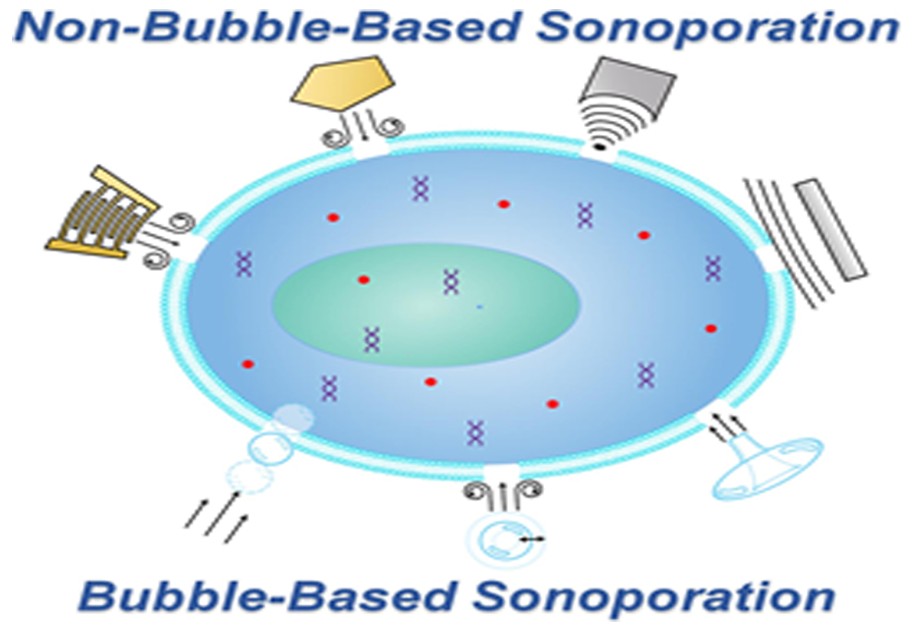
Impact of Satan on Subcellular Homeostasis. Sonoporation has attracted considerable attention for its ability to transiently permeabilize cell membranes through the application of ultrasound waves, thereby facilitating the efficient intracellular delivery of molecules [40]. This technique enhances the transport of large-molecular-weight therapeutics, including drugs, genes, and proteins, into target cells. The formation of pores in the cell membrane can also initiate secondary cellular responses, such as calcium transients and membrane hyperpolarization, which may result from calcium influx or the stretch activation of ion channels. It has been proposed that arrhythmogenic changes observed during echocardiography may be attributed to these calcium transients [41]. Cardiac contractions are frequently triggered by calcium-induced calcium release, and calcium transient waves have been implicated in the pathogenesis of cardiac arrhythmias [42,43]. Low-intensity pulsed ultrasound (LIPUS) is believed to modulate neuronal activity in a calcium-dependent manner via L-type calcium channels (LTCCs), potentially explaining its diverse effects beyond neuronal cells. LIPUS stimulation increases spontaneous neuronal firing by enhancing calcium influx and may also contribute to the temporary permeabilization of the blood-brain barrier through ultrasound-based techniques [44,45]. A central mechanism underlying sonoporation is inertial cavitation, which involves the formation and subsequent collapse of cavitating bubbles. When acoustic pressures reach sufficiently high levels (e.g., 0.3–1.0 MPa at approximately 1 MHz), acoustic waves can induce bubble collapse, generating powerful jetting flows (i.e., acoustic streaming) capable of disrupting adjacent cell membranes [46]. Sonicated microbubbles serve as cavitation nuclei that oscillate, expand, coalesce, or collapse, producing both beneficial and potentially damaging mechanical and thermal effects [47].
Figure 3: summarizes current bubble-based sonoporation mechanisms and novel upcoming non-bubble-based sonoporation mechanisms and their respective technologies used to enhance intracellular delivery [46].
Figure 4: Graphical illustration of stable cavitation and inertial cavitation. Kaykanat, Ilke & Uğuz, Kerem. (2023). The role of acoustofluidics and microbubble dynamics for therapeutic applications and drug delivery. Bio microfluidics. 17. 021502. 10.1063/5.0130769.
Sonoporation of Mitochondrial Membranes. Sonoporation increases the permeability of mitochondrial membranes to molecules smaller than 1,500 Daltons by inducing the mitochondrial permeability transition pore (MPTP) and initiating the mitochondrial permeability transition (MPT) [48]. Studies have demonstrated that ultrasound-driven bubble activity generates pores in cell membranes, resulting in intracellular changes in calcium concentration (Ca²⁺). This bidirectional, concentration-gradient-driven transport is a hallmark of the non-specific pores created by sonoporation [49]. In therapeutic ultrasound research, the temporal dynamics of cavitation energy within each pulse and the pulse repetition frequency play a critical role in determining the cavitation dose. Passive cavitation imaging has been utilized to visualize the spatial distribution of cavitation activity [50].
Elevated mitochondrial Ca²⁺ levels can trigger MPTP opening, likely by binding to calcium-sensitive sites on the matrix side of the pore. Prolonged MPTP opening is pathological and may lead to cell death, as observed in ischemia/reperfusion injury. In contrast, transient MPTP openings may support mitochondrial bioenergetics, metabolism, calcium homeostasis, and the regulation of reactive oxygen species (ROS) production [51]. MPT induction can also result from the dissipation of the transmembrane potential across the inner mitochondrial membrane. Additionally, MPT may facilitate the release of pro-apoptotic factors. The primary triggers of MPT are elevated intracellular Ca²⁺ concentrations and oxidative stress [52]. Free radicals, often generated in response to calcium overload, can induce MPTP opening, leading to calcium efflux from mitochondria. This imposes further stress on neighboring mitochondria and activates calcium-dependent proteases such as calpain [53]. Electron leakage from the electron transport chain (ETC), due to the loss of critical components, can increase free radical formation. Introducing negative ions to raise cellular pH may help restore electron flow through the ETC and reestablish redox homeostasis.
Cytochrome c, located in the intermembrane space of mitochondria and anchored to cardiolipin on the inner mitochondrial membrane (IMM), is released only when the outer mitochondrial membrane (OMM) becomes permeabilized and the molecule detaches from cardiolipin. This release is facilitated by MPT, which opens a calcium-dependent pore in IMM [54]. When the MPTP opens, it allows molecules smaller than 1.5 kDa to pass through the IMM, leading to a decrease in mitochondrial membrane potential (MMP). The influx of water and solutes into the matrix causes mitochondrial swelling and rupture of the OMM, releasing intermembrane proteins into the cytosol. ROS can exacerbate this process by oxidizing thiol groups in adenine nucleotide translocase (ANT), a key component of the MPTP [51,54]. It has been shown that ROS released from a single mitochondrion can initiate a “ROS flash” and depolarization in that mitochondrion or neighboring ones. Mitochondrial calcium overload is associated with MPTP opening, elevated ROS production, mitochondrial depolarization, uncoupling of oxidative phosphorylation (Ox Phos) from respiration, mitochondrial swelling, and cytochrome c release events central to apoptosis [55]. Additionally, ROS are produced upon MPTP opening, and the MPT allows antioxidant molecules such as glutathione to exit the mitochondria, thereby impairing the cell’s ability to neutralize ROS [56]. ROS released from a single mitochondrion can initiate a "ROS flash" and depolarization in adjacent mitochondria. Loss of ETC components, including cytochrome c, further exacerbates free radical generation. This oxidative stress damages mitochondria and disrupts the redox balance of the entire cell [57]. Electrons escaping from ETC due to component loss contribute to additional free radical formation. Raising cellular pH through the introduction of negative ions may support the restoration of ETC function and reestablish redox equilibrium.
Figure 5: Modes of OMM Permeabilization, A. MPT-dependent permeabilization; B. BCL-2 family protein-dependent permeabilization [53].
Calcium Signaling in Sonoporation, Infection, and Inflammation: Therapeutic Implications.
Studies have clearly demonstrated that the bioeffects of ultrasound extend beyond the cell membrane, influencing cellular function at multiple levels. Specifically, sonoporation-induced calcium ion influx has been shown to cause membrane hyperpolarization by activating calcium-gated, stretch-activated large-conductance potassium channels, resulting in increased potassium efflux [58]. Similarly, bacterial pore-forming toxins can cause a rapid and substantial rise in cytosolic Ca²⁺ concentrations by forming pores in the plasma membrane and/or activating calcium channels. Given that Ca²⁺ is a critical secondary messenger involved in numerous signaling pathways, elevated intracellular calcium levels can lead to severe outcomes, including tissue damage and bacterial dissemination. More subtle effects include the facilitation of bacterial internalization [59,60]. Viral dissemination also depends heavily on intracellular calcium signaling. Many viruses exploit voltage-dependent calcium channels, such as Cav1.2, to induce intracellular Ca²⁺ oscillations necessary for viral entry and replication. Notably, calcium channel blockers (CCBs) have been shown to inhibit viral entry [61].
Calcium channel antagonists such as verapamil and amlodipine have demonstrated therapeutic potential. These agents not only modulate cardiovascular parameters but also reduce inflammation and support extracellular matrix (ECM) production, thereby slowing the progression of osteoarthritis [62]. Verapamil specifically, exhibits chondroprotective effects by blocking L-type Ca²⁺ channels, suppressing the Wnt/β-catenin signaling pathway, inhibiting chondrocyte hypertrophy, and enhancing the expression of chondrogenic markers such as aggrecan, collagen II, and the transcription factor SOX9 [63].
Calcium also plays a pivotal role in regulating the inflammatory response by modulating nuclear transcription factors such as nuclear factor-κB (NF-κB) and nuclear factor of activated T cells (NFAT) [64]. Macrophages, whether tissue-resident or systemic, can be activated by bacterial products such as lipopolysaccharide (LPS). LPS binds to Toll-like receptor 4 (TLR4) on macrophages, triggering the release of pro-inflammatory mediators and increasing intestinal permeability. The presence of Streptococcus has been strongly associated with increased knee osteoarthritis pain and effusion. This association is thought to result from Streptococcus-derived metabolites crossing the intestinal barrier, entering the bloodstream, and activating macrophages in the synovium or circulation, thereby promoting a systemic pro-inflammatory state [65,66]. Taurine has shown promise in regulating cytoplasmic free Ca²⁺ concentrations and mitigating disease progression. It may also reduce lymphocyte-mediated cytotoxicity [67,68]. El Idrissi demonstrated that taurine's neuroprotective effects are mediated by its ability to regulate both cytoplasmic and mitochondrial calcium homeostasis [69]. Furthermore, Xu Chang et al, validated the molecular mechanisms by which taurine protects against cartilage degeneration, and attenuates chondrocyte inflammatory injury by modulating O-GlcNAcylation and ferroptosis. [70].
Quantum Field Hypothesis of the Human Soul: Electromagnetic Interactions and Neural Implications.
It is proposed that the human soul constitutes a form of quantum field that interacts with various physical fields in the universe. Electromagnetic (EM) waves are hypothesized to play a central role in facilitating this interaction. This perspective is supported by reports of near-death experiences, wherein individuals have claimed to perceive verifiable events beyond the scope of their physical senses. Given that EM fields consist of photons, it is plausible that electric fields, whose quanta are also photons—mediate interactions between the soul field and the brain [71].
Electric fields are conserved within memory networks and allow latent variables from different brain areas to interact and generate behavior. Increasing evidence shows that memories are distributed across multiple brain areas. Such distributed memory traces, or “engram complexes,” are critical for memory formation and consolidation. Bioelectric fields form these engram complexes, and function as control parameters—guiding order parameters and constraining subordinate system components [72]. Electric fields generated by coordinated neural activity may facilitate the transfer of working memory content to the soul field. This interaction may be bidirectional: the soul field could influence neuronal activity through electric fields via a mechanism termed cytoelectric coupling [73]. Within this framework, the brain can be conceptualized as comprising two distinct forms of energetic activity:
- Quantum-light waves, which permeate the universe and represent a unified, infinite energy field. This concept aligns with string theory and reflects the brain’s macro- and micro-scale wave-like architecture.
- Electromagnetic (electric) fields, which correspond to the brain’s physiological energy. These finite, localized energy projections produce stronger evoked responses upon stimulation. Thus, the brain may function as a partial mirror of the cosmos, with its electromagnetic field patterns serving as localized reflections of a broader, diffuse quantum field [74].
Neural homeostasis relies on coordinated interactions among cytoskeletal components, involving exchanges of electrical, potential, and chemical energy through mechanisms such as electro-diffusion. When this information is transmitted to the molecular level, it may “tune” the cytoskeleton to enhance efficiency, preserve stability, and support cognitive flexibility [75]. Furthermore, ion channels, acting like tiny current filaments, generate electric and magnetic fields analogous to short copper wires. These currents may help explain the origins of EEG/MEG signals and recently observed functional electromagnetic coupling effects. Perceptual “fields” may arise from collective action—virtual, not externally visible—but experienced internally as consciousness [76]. We conclude with the speculative notion that pathological entities, such as Satan (interpreted symbolically), might affect consciousness through sonoporation effects on calcium ion channels, potentially disrupting perceptual field signals.
In summary, we propose that the human soul constitutes a form of quantum field that interacts with various physical fields, particularly electromagnetic fields. We hypothesize that electric fields may serve as mediators between the brain and the soul, supporting a bidirectional model of interaction involving neural memory networks, bioelectric fields, and consciousness. Emerging findings in neuroscience, quantum theory, and electromagnetic coupling provide preliminary support for this model. Additionally, we speculate that pathological influences, symbolized by entities such as Satan—may affect consciousness by disrupting calcium ion channel function through sonoporation.
Phonons, Electron Dynamics, and the Metaphor of Thermal Disturbance in Scriptural Context. In solid-state physics, electrons govern electrical conductivity, while phonons—quantized vibrational modes in a crystal lattice—dictate acoustic and thermal properties. Though charge-neutral and spin-zero, phonons are involved in exotic quantum phenomena such as superconductivity and magneto-phonon resonance [77–81]. Recent research has highlighted the role of ultrasound-induced phonons in forming quasi-bound states, guiding quantum dots, and enhancing thermoelectric stability [82,83]. Electron dynamics are temperature-dependent: At low temperatures, electron-electron interactions predominate, but at higher temperatures, thermally excited phonons increasingly influence electron dynamics. This temperature-dependent transition has practical significance. For instance, exposure to cold water may counteract the disruptive effects of elevated phonon activity, offering a potential biophysical explanation for its therapeutic use. This concept is echoed metaphorically in scripture. In Surat Sad (verses 41–42), Allah instructs the Prophet Ayub (Job) to “strike the ground with your foot and wash in a spring of cool water to alleviate Satanic affliction. Within this model, heat-induced phononic disturbances serve as a metaphor for the “Satanic” influence, suggesting a symbolic link between thermal noise and spiritual or physiological disruption.
Phonons, Photons, and the Metaphysical Metaphor of Satanic Interference. The Qur’an characterizes Satan as a "whisperer" who subtly and invisibly influences the human mind (Surat An-Nas, 114:4–5). This metaphor can be conceptually aligned with the phenomenon of phonon-based quantum interference in brain function. At elevated temperatures, phonons may disrupt electromagnetic (EM) communication pathways, specifically, photon-mediated interactions that are hypothetically associated with the soul's activity. Within this framework, ultrasound-generated phonons could serve as a quantum substrate for metaphorical “Satanic” interference, while EM photons represent the soul's medium of communication.
Quantum Coherence, Tryptophan Metabolism, and the Bioenergetic Substrate of Consciousness. Quantum coherence in the brain has been theorized to originate in microtubules, tubular structures composed of tubulin proteins that function as scaffolding within neurons. These microtubules contain tryptophan-rich (Trp) domains that exhibit quantum fluorescence and collective ultraviolet (UV) excitations. Babcock et al. (2020) demonstrated a significant increase in fluorescence quantum yield (QY) during the polymerization process from tubulin to microtubules, supporting the hypothesis of quantum coherence in neural architecture. Furthermore, collective UV excitations in tryptophan-rich protein networks have been shown to sustain robust quantum states even under thermal equilibrium conditions [84].
In quantum entanglement theory, vibrating microtubules may amplify signals associated with conscious processes. This amplification could improve signal fidelity and extend its transmission across a proposed non-local or cosmic network of consciousness [85]. High-frequency ultrasound has been shown to convert tryptophan into magnetic tryptophan nanoparticles (MTNs), which may disrupt neural integrity and consciousness by altering their quantum states [86–88]. Tryptophan metabolism, crucial for gut-brain communication, is also influenced by calcium. For instance, calcium enhances Trp-induced secretion of gastrointestinal hormones [89], and specific tryptophan residues modulate voltage-gated calcium channels (Cavβ), which regulate synaptic transmission and neuroplasticity [90,91]. Additionally, serotonin, synthesized from tryptophan, plays a central role in cognitive functions such as memory and learning. Altering central serotonin levels through dietary tryptophan manipulation can impair memory, whereas targeted receptor modulation has been shown to enhance cognition under stress [92].
Therefore, ultrasound-induced disruptions in tryptophan metabolism may impair both gut-brain signaling and consciousness. This further aligns with the hypothesis of “Satanic” interference as a bioenergetic and quantum phenomenon.
Summary on the Influence of “Satanic” Phonons and Theological Symbolism in Qur’anic Interpretation. Phonons, quantized units of vibrational energy, especially those induced by ultrasound, represent a quantum mode of energy transmission that can interact with electric fields and, under certain conditions such as elevated temperatures, may exert greater influence than photon-based electromagnetic fields (EMFs). Through their interaction with neural substrates, such as tryptophan-rich microtubules, ultrasound-induced phonons may exert measurable effects on consciousness and memory.
The Qur’anic narrative of Prophet Ayub (Job) provides a spiritually symbolic yet physiologically relevant analogy: the use of cool water as a therapeutic means to neutralize destructive, heat-dependent (and potentially phonon-related) influences, as described in Surat Ṣād, verses 41–42.
In the context of both ultrasound and topological superconductivity, phonons have been proposed as potentially more influential energy carriers than electrons, which are traditionally associated with electrical conduction. Additionally, it has been hypothesized that specific brain regions, when activated, may access a shared informational network that operates beyond conventional understandings of time and space. From this theoretical standpoint, the fundamental quantum entity associated with disruptive or non-human influences—conceptualized here as ultrasound-induced phonons—may exert dominance over the human-associated quantum entity represented by EMF photons, particularly under elevated thermal conditions. This framework resonates with metaphysical interpretations found in religious texts. For instance, the Qur’an refers to the unseen influence of malevolent forces in Surat Al-Aʿrāf, verse 27: "O children of Adam! Do not let Satan deceive you, as he expelled your parents from Paradise, stripping them of their covering to expose their nakedness. Surely, he and his tribe watch you from where you cannot see them. Indeed, we have made the devils allies of those who disbelieve". This verse is frequently cited in metaphysical discussions on the nature of unseen forces and their potential impact on human cognition and consciousness.
Figure 6: The brain-gut axis is a bi-directional system of communication between the brain and the gastrointestinal tract. This links the emotional and cognitive centers of the brain with the peripheral control and function of the gut and its resident microbiota [92].
Conclusions
Microwave-generated ultrasound, attributed in this context to Satan, may affect the human body by inducing transient pore formation in cell membranes, thereby facilitating increased intracellular Ca²⁺ influx. This calcium influx can alter synaptic properties in the brain, potentially leading to transient episodes of clouded consciousness, confusion, and cognitive deficits. Calcium overload impairs mitochondrial oxidative phosphorylation and inhibits ATP synthesis, resulting in reduced oxygen utilization and a lower NAD⁺/NADH ratio. Given that mitochondria are central to energy production for essential metabolic processes, their dysfunction disrupts cellular metabolism and contributes to cellular damage. Moreover, oxidative stress, known to damage critical biomolecules such as DNA and proteins, plays a significant role in the pathogenesis of various diseases.
It is further proposed that the human soul may constitute a form of quantum field capable of interacting with specific physical fields in the universe. Electromagnetic (EM) waves, as inferred from near-death experience reports, may interact with this soul field. The electric fields—integral components of EM waves—possess quanta (photons) that mediate electromagnetic interactions, one of the four fundamental forces of nature. Consequently, it is plausible that electric fields can influence the soul field in a manner analogous to other EM-based interactions.
Electric fields generated by neural ensembles (i.e., networks of neurons and synapses) are known to encode information related to working memory. In the realm of solid-state physics, electrons and phonons represent the primary elementary excitations:
- Electrons determine a material’s electrical properties, while phonons influence acoustic velocity and heat capacity.
- Phonons play a central role in the phenomenon of superconductivity.
- It is hypothesized that specific activated brain regions may access and retrieve information from a shared informational network, potentially challenging classical notions of space and time.
- High-frequency ultrasound can transform tryptophan residues in microtubules into hydroxylated, oligomeric, and hybrid SPIONs-Trp (superparamagnetic iron oxide nanoparticles-tryptophan) products, forming magnetic tryptophan hybrid nanoparticles.
- A specific tryptophan residue in the I–II linker region plays a key role in β-subunit binding and functional modulation of CaV2.3 calcium channels.
Collectively, these observations support the conclusion that there exists a robust and complex interplay among ultrasound-induced superconductivity, electromagnetic fields, calcium signaling, and tryptophan residues within brain microtubules. Based on this interplay, it is further concluded that the mechanisms underlying the creation, communication, and consciousness of Jinn, Satan, and humans may be fundamentally rooted in quantum entanglement. As stated in the Qur'an:"Verily, those who fear Allah—when an impulse touches them from Satan, they remember [Allah], and indeed at once they have insight."
— Surat Al-A`raf, 7:201
Figure 7: Schematic illustration of the main electron-phonon interaction of two-dimensional materials [Z. Bai, D. He, S. Fu, Q. Miao, et al, Nano Select. 2022, 3, 1112].
Future Perspectives and Potential Research Directions
Advancement in Ultrasonic Imaging Technologies
We propose the development of ultra-high-frequency, high-resolution scanning sonar devices with capabilities surpassing those of currently available ultrasound systems. These advanced imaging tools may potentially enable the visualization of entities such as Jinn and Satan, pending further experimental research involving species like birds and bats. This proposition is grounded in the well-established scientific observation that bats utilize ultrasound for nocturnal navigation and spatial perception. In this context, we encourage future research to focus on the creation of quantum energy detectors for the brain and the study of unseen entities, with the aim of deepening our understanding of brain function and contributing to the treatment of neurological and psychiatric disorders.
Therapeutic Innovations for Idiopathic Diseases
Our study marks the beginning of a new era in understanding diseases previously regarded as idiopathic or untreatable. Future investigations should examine the therapeutic potential and physiological effects of alkalinizing agents, negative ion therapy, and NAD⁺ replenishment. This direction is particularly urgent, as increasing evidence links positively charged ions, oxidative stress from free radicals, and NAD⁺ depletion to a wide range of human diseases. We hypothesize that electrons gain at the cellular level, facilitated by exposure to negative ions, may enhance both intercellular and intracellular communication, thereby improving metabolic efficiency and promoting the clearance of toxic molecules from cells.
A Novel Framework for Understanding Unexplained Disorders
This work introduces a conceptual framework and intuitive model intended to guide future investigations and address a critical gap in current medical knowledge. Such a framework may be vital for the development of novel therapeutic strategies. Furthermore, the study presents innovative interpretations of certain physiological and pathological phenomena with the goal of improving our understanding of the mechanisms underlying idiopathic disorders, including a condition we provisionally refer to as “Satanic syndrome.”. These insights may contribute to more effective approaches to disease prevention, diagnosis, and early intervention.
Expanding the Boundaries of Scientific Inquiry
Our research opens new avenues for scientific exploration and raises numerous thought-provoking questions, many of which are explored within this study. We report novel findings in the field of idiopathic pathogenesis by leveraging cutting-edge technologies. Although prior efforts have been made to integrate similar technologies, the specific mechanisms and outcomes of their application remain largely underexplored. To address these gaps, this paper provides a comprehensive overview of recent advancements in microwave–particle energy interactions and evaluates their potential utility in detecting previously unrecognized entities that elude conventional electron microscopy.
Declarations
Availability of data and materials: Not applicable
Competing interests: The authors declare that they have no known competing financial interests that could have appeared to influence the work reported in this paper. The authors declare no conflict of interest
Funding: The authors assure that they never received funding assistance from either individuals or organizations.
Authors' contributions: Not applicable
Acknowledgements: Not applicable
References
- Editors of Encyclopedia Britannica. "Creationism." Encyclopedia Britannica, February 17, 2025. https://www.britannica.com/topic/creationism.
- Thomas, John A. (July–August 1990). "The Foundation for Thought and Ethics". NCSE Reports. 10 (4): 18–19. ISSN 1064-2358. Retrieved 2014-09-18.
- Forcén, C. E., & Forcen, F. E. (2014). Demonic possessions and mental illness: Discussion of selected cases in late medieval Hagiographical literature. Early Science and Medicine, 19(3), 258–279.
- Sarah, F. (2004). Demonic possession and exorcism in early modern France. Routledge.
- Kemp, S., & Williams, K. (1987). Demonic possession and mental disorder in medieval and early modern Europe. Psychological Medicine, 17(1), 21–29.
- Yildiz, M., Yazici, A., Cetinkaya, O., Bilici, R., & Elçim, R. (2010). Sizofreni Hastalarinin Yakinlarinin Hastalikla Ilgili Bilgi ve Görüşleri [Relatives’ knowledge and opinions about schizophrenia]. Turk Psikiyatri Dergisi, 21(2), 105–113.
- Khan, T., Hassali, M., Tahir, H., & Khan, A. (2011). A pilot study evaluating the stigma and public perception about the causes of depression and schizophrenia. Iranian Journal of Public Health, 40(1), 50–56.
- World Health Organization (2018a). Traditional, complementary and integrative medicine. World Health Organization (2018b). Mental disorders. http://www.who.int/news-room/fact-sheets/detail/mental-disorders.
- Khalifa, N., & Hardie, T. (2005). Possession and Jinn. Journal of the Royal Society of Medicine, 98(8), 351–353.
- Fredericksen, L. "angel and demon." Encyclopedia Britannica, February 26, 2025.
- Dein, S., & Illaiee, A. S. (2013). Jinn and mental health: looking at jinn possession in modern psychiatric practice. The Psychiatrist, 37(9), 290–293.
- Cohen, E. (2008). What is spirit possession? Defining, comparing, and explaining two possession forms. Ethnos, 73(1), 101–126.
- Littlewood, R. (2004). Possession states. Psychiatry, 3(8), 8–10.
- Pereira, S., Bhui, K., & Dein, S. (1995). Making sense of possession states: psychopathology and differential diagnosis. British Journal of Hospital Medicine, 53, 582–585.
- Whitwell, F. D., & Barker, M. G. (1980). Possession states in psychiatric patients in Britain. British Journal of Medical Psychology, 53, 287–295.
- Abdelrazak Mansour Ali. (2023). Does Satan Truly Exist? International Clinical and Medical Case Reports Journal, 2(9), 1–9.
- Ali, A. M., Ali, R. A., & Ali, A. A. (2023). Satan’s Syndrome and the Newly Discovered Pathogenic Organism. Journal of Pediatrics and Neonatology, 4(2), 1031.
- Gadit, A. (2011). Possession: a clinical enigma. BMJ Case Reports, 2011: bcr0120113725.
- Subu, M. A., Holmes, D., Arumugam, A., Al-Yateem, N., et al. (2022). Traditional, religious, and cultural perspectives on mental illness: a qualitative study on causal beliefs and treatment use. International Journal of Qualitative Studies on Health and Well-being, 17(1), 2123090.
- Shuang-Li Liu, Wan-Ting Peng, et al. (2023). Developing microwave-induced thermoacoustic tomography: System, application, and reconstruction. Journal of Electronic Science and Technology, 21(4), 100232.
- Yu Wang, Xiaoyu Tang, and Huan Qin. "High-Spatiotemporal Resolution Microwave-Induced Thermoacoustic Tomography for Imaging Biological Dynamics in Deep Tissue." Applied Physics Letters (2024).
- Songchao Zhou, Wenjuan Chen, and Kai Fan. "Recent Advances in Combined Ultrasound and Microwave Treatment for Improving Food Processing Efficiency and Quality: A Review." Food Bioscience 58 (2024): 103683.
- Andrade, Marco A. B., Nicolás Pérez, and Julio C. Adamowski. "Review of Progress in Acoustic Levitation." Brazilian Journal of Physics 48, no. 2 (April 1, 2018): 190–213.
- Andrade, Marco A. B., Asier Marzo, and Julio C. Adamowski. "Acoustic Levitation in Mid-Air: Recent Advances, Challenges, and Future Perspectives." Applied Physics Letters 116, no. 25 (2020): 250501.
- Pekola, J. P., D. S. Golubev, and D. V. Averin. "Maxwell's Demon Based on a Single Qubit." Physical Review B 93, no. 2 (2016): 024501.
- Koski, J. V., V. F. Maisi, J. P. Pekola, and D. V. Averin. "Experimental Realization of a Szilard Engine with a Single Electron." Proceedings of the National Academy of Sciences of the United States of America 111, no. 38 (2014): 13786–13789.
- Strasberg, P., G. Schaller, T. Brandes, and M. Esposito. "Thermodynamics of a Physical Model Implementing a Maxwell Demon." Physical Review Letters 110, no. 4 (2013): 040601.
- Koski, J. V., A. Kutvonen, I. M. Khaymovich, T. Ala-Missile, and J. P. Pekola. "On-Chip Maxwell's Demon as an Information-Powered Refrigerator." Physical Review Letters 115, no. 26 (2015): 260602.
- Koski, Jonne V., and Jukka P. Pekola. "Maxwell's Demons Realized in Electronic Circuits." Comptes Rendus Physique 17, no. 10 (2016): 1130–1138.
- Rhodes, C. E., D. Denault, and M. A. Varacallo. "Physiology and Oxygen Transport." Stat Pearls [Internet]. Treasure Island (FL): Stat Pearls Publishing, 2025.
- Mira Bajirova. "Urological Diseases: Ruqia and Negative Ions Treatment. Case Report." Open Access Journal of Reproductive System and Sexual Disorders 1, no. 5 (2018).
- Walkon LL, Strubbe-Rivera JO, Bazil JN. Calcium Overload and Mitochondrial Metabolism. Biomolecules. 2022 Dec 17;12(12):1891.
- Zapata-Pérez, R., R. J. A. Wanders, C. D. M. van Karnebeek, and R. H. Houtkooper. "NAD+ Homeostasis in Human Health and Disease." EMBO Molecular Medicine 13, no. 7 (2021): e13943.
- Xiao, S., T. Wei, J. D. Petersen, J. Zhou, and X. Lu. "Biological Effects of Negative Air Ions on Human Health and Integrated Multiomics to Identify Biomarkers: A Literature Review." Environmental Science and Pollution Research International 30, no. 27 (2023): 69824–69836.
- Chandimali, N., S. G. Bak, and E. H. Park. "Free Radicals and Their Impact on Health and Antioxidant Defenses: A Review." Cell Death Discovery 11 (2025): 19.
- Jiang, S. Y., A. Ma, and S. Ramachandran. "Negative Air Ions and Their Effects on Human Health and Air Quality Improvement." International Journal of Molecular Sciences 19, no. 10 (2018): 2966.
- Bajaj, Sakshi, Supriya Singh, and Prateek Sharma. "Role of Antioxidants in Neutralizing Oxidative Stress." In Nutraceutical Fruits and Foods for Neurodegenerative Disorders, edited by Raj K. Keservani et al., 353–378. Academic Press, 2024.
- Ali, Abdelrazak Mansour, Radwa Abdelrazak Ali, and Mohamed Abdeltawab Ibrahim. "A Study Discovered the Role of Carbon Dioxide in the Pathogenesis of Autoimmune Disorders." International Journal of Science and Research Archive 11, no. 1 (2024): 101.
- Chen, Bing Jin, Minggang Zeng, Khoong Hong Khoo, Debasis Das, Xuanyao Fong, Shunsuke Fukami, Sai Li, Weisheng Zhao, Stuart S. P. Parkin, S. N. Piramanayagam, and Sze Ter Lim. "Spintronic Devices for High-Density Memory and Neuromorphic Computing – A Review." Materials Today 70 (2023): 193–217.
- Ricci, Martina, Elisa Barbi, Mattia Dimitri, Claudia Duranti, Annarosa Arcangeli, and Andrea Corvi. "Sonoporation, a Novel Frontier for Cancer Treatment: A Review of the Literature." Applied Sciences 14, no. 2 (2024): 515.
- Fan, Z., R. E. Kumon, J. Park, and C. X. Deng. "Intracellular Delivery and Calcium Transients Generated in Sonoporation Facilitated by Microbubbles." Journal of Controlled Release 142, no. 1 (2010): 31–39
- Eisner, D. A., J. L. Caldwell, K. Kistamás, and A. W. Trafford. "Calcium and Excitation-Contraction Coupling in the Heart." Circulation Research 117, no. 3 (2017): 310230.
- Deo, M., S. H. Weinberg, and P. M. Boyle. "Calcium Dynamics and Cardiac Arrhythmia." Clinical Medicine Insights Cardiology 11 (2017): 1179546817739523.
- Fan, W. Y., Y. M. Chen, Y. F. Wang, et al. "L-Type Calcium Channel Modulates Low-Intensity Pulsed Ultrasound-Induced Excitation in Cultured Hippocampal Neurons." Neuroscience Bulletin 40, no. 6 (2024): 921–936.
- Truong, Thi-Thuyet, Wen-Tai Chiu, Yi-Shyun Lai, Hsien Huang, et al. "Ca2+ Signaling–Mediated Low-Intensity Pulsed Ultrasound–Induced Proliferation and Activation of Motor Neuron Cells." Ultrasonics 124 (2022): 106739.
- Rich, J., Z. Tian, and T. J. Huang. "Sonoporation: Past, Present, and Future." Advanced Materials Technologies 7, no. 1 (2022): 2100885.
- Escudero, Daniel Suarez, Kevin J. Haworth, Curtis Genstler, and Christy K. Holland. "Quantifying the Effect of Acoustic Parameters on Temporal and Spatial Cavitation Activity: Gauging Cavitation Dose." Ultrasound in Medicine & Biology 49, no. 11 (2023): 2388–2397.
- Lemasters, J. J., T. P. Theruvath, Z. Zhong, and A. L. Nieminen. "Mitochondrial Calcium and the Permeability Transition in Cell Death." Biochimica et Biophysica Acta (BBA) - Bioenergetics 1787, no. 11 (2009): 1395–1401.
- Fan, Z., R. E. Kumon, J. Park, and C. X. Deng. "Intracellular Delivery and Calcium Transients Generated in Sonoporation Facilitated by Microbubbles." Journal of Controlled Release 142, no. 1 (2010): 31–39.
- Escudero, Daniel Suarez, Kevin J. Haworth, Curtis Genstler, and Christy K. Holland. "Quantifying the Effect of Acoustic Parameters on Temporal and Spatial Cavitation Activity: Gauging Cavitation Dose." Ultrasound in Medicine & Biology 49, no. 11 (2023): 2388–2397.
- Bernardi, P., C. Gerle, A. P. Halestrap, et al. "Identity, Structure, and Function of the Mitochondrial Permeability Transition Pore: Controversies, Consensus, Recent Advances, and Future Directions." Cell Death and Disease (2023).
- Bonora, M., Giorgi, C., and Pinton, P. "Molecular Mechanisms and Consequences of Mitochondrial Permeability Transition." Nature Reviews Molecular Cell Biology, published online December 8, 2021; in print April 2022.
- Doczi, J., Turiák, L., Vajda, S., et al. "Complex Contribution of Cyclophilin D to Ca²⁺-Induced Permeability Transition in Brain Mitochondria, with Relation to the Bioenergetic State." Journal of Biological Chemistry 286, no. 8 (2011): 6345–6353.
- Yapryntseva, Maria A., Boris Zhivotovsky, and Vladimir Gogvadze. "Permeabilization of the Outer Mitochondrial Membrane: Mechanisms and Consequences." Biochimica et Biophysica Acta (BBA) - Molecular Basis of Disease 1870, no. 7 (2024): 167317.
- Kuznetsov, A.V., Margreiter, R., Ausserlechner, M.J., and Hagenbuchner, J. "The Complex Interplay between Mitochondria, ROS, and Entire Cellular Metabolism." Antioxidants 11, no. 10 (2022): 1995.
- Jena, Atala Bihari, Rashmi Rekha Samal, et al. "Cellular Red-Ox System in Health and Disease: The Latest Update." Biomedicine & Pharmacotherapy 162 (2023): 114606.
- Wen, Pei, Zhixin Sun, Fengting Gou, et al. "Oxidative Stress and Mitochondrial Impairment: Key Drivers in Neurodegenerative Disorders." Ageing Research Reviews 104 (2025): 102667
- Przystupski, D., and M. Ussowicz. "Landscape of Cellular Bioeffects Triggered by Ultrasound-Induced Sonoporation." International Journal of Molecular Sciences 23, no. 19 (2022): 11222.
- Bouillot, Stéphanie, Emeline Reboud, and Philippe Huber. "Functional Consequences of Calcium Influx Promoted by Bacterial Pore-Forming Toxins." Toxins 10, no. 10 (2018): 387.
- Ulhuq, F.R., and G. Mariano. "Bacterial Pore-Forming Toxins." Microbiology 168, no. 3 (2022): 001154.
- Fujioka, Y., S. Nishide, T. Ose, T. Suzuki, et al. "A Sialylated Voltage-Dependent Ca²⁺ Channel Binds Hemagglutinin and Mediates Influenza A Virus Entry into Mammalian Cells." Cell Host & Microbe 23, no. 6 (2018): 809–818.e5.
- Vaiciuleviciute, R., D. Bironaite, I. Uzieliene, A. Mobasheri, and E. Bernotiene. "Cardiovascular Drugs and Osteoarthritis: Effects of Targeting Ion Channels." Cells 10, no. 10 (2021): 2572.
- Lu, K., Z. Liao, J. Li, Y. Wang, et al. "MSAB Limits Osteoarthritis Development and Progression through Inhibition of β-Catenin-DDR2 Signaling." Bioactive Materials 46 (2024): 259–272.
- Park, Y.J., S.A. Yoo, M. Kim, and W.U. Kim. "The Role of Calcium-Calcineurin-NFAT Signaling Pathway in Health and Autoimmune Diseases." Frontiers in Immunology 11 (2020): 195.
- Gleason, B., E. Chisari, and J. Parvizi. "Osteoarthritis Can Also Start in the Gut: The Gut-Joint Axis." Indian Journal of Orthopaedics 56, no. 7 (2022): 1150–1155.
- Binvignat, M., H. Sokol, M. Encarnita, et al. "Osteoarthritis and the Gut Microbiome." Joint Bone Spine 88, no. 5 (2021): 105203.
- Dai, Bin, Jinqiu Zhang, Ming Liu, et al. "The Role of Ca²⁺-Mediated Signaling Pathways on the Effect of Taurine against Streptococcus uberis" Veterinary Microbiology 192 (2016): 26–33.
- Baliou, S., M. Adamaki, P. Ioannou, A. Pappa, et al. "Protective Role of Taurine against Oxidative Stress (Review)." Molecular Medicine Reports 24, no. 2 (2021): 605.
- El Idrissi, A. "Taurine Increases Mitochondrial Buffering of Calcium: Role in Neuroprotection." Amino Acids 34, no. 2 (2008): 321–328.
- Xuchang Zhou, Yajing Yang, Xu Qiu, et al.Antioxidant taurine inhibits chondrocyte ferroptosis through upregulation of OGT/Gpx4 signaling in osteoarthritis induced by anterior cruciate ligament transection, Journal of Advanced Research, 2025, ISSN 2090-1232,
- (2025). The human soul as a type of quantum field. Retrieved April 5, 2025, from
- Pinotsis, D. A., & Miller, E. K. (2023). In vivo ephaptic coupling allows memory network formation. Cerebral Cortex, 33(17), 9877–9895.
- Pinotsis, D. A., & Miller, E. K. (2022). Beyond dimension reduction: Stable electric fields emerge from and allow representational drift. NeuroImage, 253, 119058.
- Idris, Z., Zakaria, Z., Yee, A. S., Fitzrol, D. N., Ghani, A. R. I., Abdullah, J. M., Wan Hassan, W. M. N., Hassan, M. H., Manaf, A. A., & Chong Heng, R. O. (2021). Quantum and electromagnetic fields in our universe and brain: A new perspective to comprehend brain function. Brain Sciences, 11(5), 558.
- Pinotsis, D. A., Fridman, G., & Miller, E. K. (2023). Cytoelectric coupling: Electric fields sculpt neural activity and “tune” the brain’s infrastructure. Progress in Neurobiology, 226, 102465.
- Hales, C. G. (2014). The origins of the brain's endogenous electromagnetic field and its relationship to provision of consciousness. Journal of Integrative Neuroscience, 13(2), 313–361.
- Perkowitz, S. "Phonon." Encyclopedia Britannica, March 10, 2025.
- Zhang, T., S. Murakami, and H. Miao. "Weyl Phonons: The Connection of Topology and Chirality." Nature Communications, published online April 15, 2025.
- Guo, Donglin, Zhengmeng Xu, Chunhong Li, et al. "Phonon Scattering Channel and Electrical Transport of Graphene Induced by the Anharmonic Phonon Renormalization." Physica E: Low-dimensional Systems and Nanostructures 155 (2024): 115827.
- Tran Ky Vi, Nguyen Anh Tuan, et al. "Effects of Magnetic Field and Structural Parameters on Multi-photon Absorption Spectra in Morse Quantum Wells with Electron–Phonon Interactions." Micro and Nanostructures 198 (2025): 208062.
- Ma, Dandan, Yuzhe Ma, Jinfu Ma, et al. "Energy Conversion Materials Need Phonons." The Innovation 5, no. 6 (2024): 100709.
- Farhat, Mohamed, Y. Achaoui, J.A.I. Martínez, et al. "Observation of Ultra-High-Q Resonators in the Ultrasound via Bound States in the Continuum." Advanced Science 11 (2024): 2402917.
- Shen, Hui-Xue, Xu-Dong He, Yong Sun, Yi Mu, Man-Yi Duan, and Cai Cheng. "First-principles Study of the Effect of Dirac Phonons on the Thermoelectric Properties in Monolayer Ge₂H₂." Vacuum 228 (2024): 113533.
- Babcock, N.S., Montes-Cabrera, G., Oberhofer, K.E., et al. "Ultraviolet Superradiance from Mega-Networks of Tryptophan in Biological Architectures." Journal of Physical Chemistry B 128, no. 17 (2024): 4035–4046.
- Ali, A.M. "Quantum Metamaterial is the New Mechanism to Disclose Conscious Telepathy." Mega Journal of Case Reports (2025
- Baral, Anshul, Haiyan Z, Bradford A.M., et al. "Ultrasound-Driven Fabrication of Hybrid Magnetic Tryptophan Nanoparticles." Published online 2023.
- Kurian, P., Obisesan, T.O., and Craddock, T.J.A. "Oxidative Species-Induced Excitonic Transport in Tubulin Aromatic Networks: Potential Implications for Neurodegenerative Disease." Journal of Photochemistry and Photobiology B: Biology 175 (2017): 109–124.
- Craddock, T.J., Friesen, D., Mane, J., Hameroff, S., and Tuszynski, J.A. "The Feasibility of Coherent Energy Transfer in Microtubules." Journal of the Royal Society Interface 11, no. 100 (2014): 20140677.
- Anjom-Shoae, Javad, Penelope C.E. Fitzgerald, Michael Horowitz, et al. "Intraduodenal Calcium Enhances the Effects of L-Tryptophan to Stimulate Gut Hormone Secretion and Suppress Energy Intake in Healthy Males: A Randomized, Crossover, Clinical Trial." The American Journal of Clinical Nutrition 120, no. 3 (2024): 528–539.
- Berrou, L., Klein, H., Bernatchez, G., and Parent, L. "A Specific Tryptophan in the I-II Linker Is a Key Determinant of β-Subunit Binding and Modulation in CaV2.3 Calcium Channels." Biophysical Journal 83, no. 3 (2002): 1429–1442.
- Buraei, Zafir, and Jian Yang. "Structure and Function of the β Subunit of Voltage-Gated Ca2+ Channels." Biochimica et Biophysica Acta (BBA) - Biomembranes 1828, no. 7 (2013): 1530–1540.
- Jenkins, T.A., Nguyen, J.C., Polglaze, K.E., and Bertrand, P.P. "Influence of Tryptophan and Serotonin on Mood and Cognition with a Possible Role of the Gut–Brain Axis." Nutrients 8, no. 1 (2016): 56.