Squamous Cell Carcinoma of the Penis on BuschkeLöwenstein Tumor Recurring After Emasculation: A Case Report

Mamane Taïbou Tanimoune*, Bjane Oussama, Mouad El Badre, Nachid Abdallah, Pr Kbirou A, Pr Moataz A, Pr Debbagh A, Pr Dakir M, Pr Aboutaeib R

Urology Department, Ibn Rochd Hospital, Faculty of Medicine and Pharmacy, Hassan II University, Casablanca, Morocco

*Corresponding author

Mamane Taïbou Tanimoune, Urology Department, Ibn Rochd Hospital, Faculty of Medicine and Pharmacy, Hassan II University, Casablanca, Morocco

Abstract

Buschke-Löwenstein tumor is a rare, locally aggressive disease of the penis. It can progress to invasive squamous cell carcinoma if not treated early. We report the case of a 74-year-old patient with a history of emasculation for squamous cell carcinoma of the penis on Buschke tumor, who presented with a local recurrence. Through this observation, we discuss the diagnostic, therapeutic, and evolutionary aspects of this pathology.

Introduction

Buschke-Löwenstein tumor, also called giant condyloma acuminatum, is a rare tumor lesion of viral origin, linked to chronic infection by human papillomaviruses (HPV), most often types 6 and 11. It preferentially affects immunocompromised individuals or those with risk factors such as poor hygiene, unprotected sexual intercourse, or a history of sexually transmitted infections [1]. Although histologically benign at its onset, this tumor can exhibit slow but invasive growth, leading to significant local destruction and malignant degeneration in 30 to 50% of cases [2,3]. Treatment is based on wide, sometimes mutilating, surgical excision. Recurrences are frequent, and the prognosis depends on the degree of locoregional spread and the differentiated nature of the carcinoma. We report here a particularly aggressive form, with recurrence after emasculation.

In addition to its anatomical implications, this condition has a significant psychological and social impact, particularly in advanced forms requiring mutilating procedures such as emasculation. The overall prognosis is linked to the stage at diagnosis, the effectiveness of surgical excision, and rigorous postoperative monitoring to prevent frequent recurrences.

istologically, Buschke-Löwenstein tumor is distinguished by its papillomatous architecture, marked acanthosis, and significant hyperkeratosis. It is characterized by the absence of significant cellular atypia at the onset, which can delay diagnostic suspicion. However, its slow but invasive exophytic growth is often accompanied by major tissue destruction, making its surgical treatment complex.

Epidemiologically, BLT primarily affects men between the ages of 40 and 70 and is more common in resource-limited countries due to limited access to sexual health care and HPV vaccination. The prevalence is also higher in immunocompromised patients, particularly those infected with HIV.

Buschke-Löwenstein tumor (BLT), or giant condyloma acuminatum, is a rare and atypical entity. It presents distinct clinical, histological, and evolutionary characteristics from classic condylomata acuminata. This tumor, although histologically benign at its onset, is recognized for its marked local invasiveness, with destructive potential to surrounding soft tissues, and its high risk of malignant transformation.

Clinical Observation

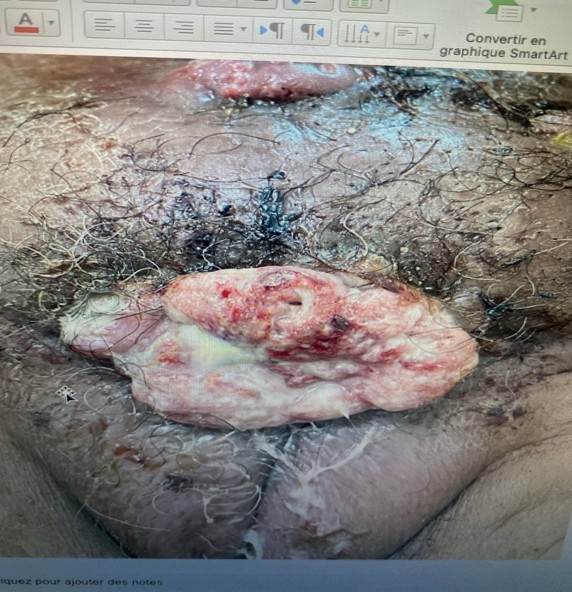
This is a 74-year-old married patient with a history of Fournier's gangrene in 2018, urethral stricture diverted by cystostomy, and risky sexual intercourse. He had been presenting with a growth at the base of the penis for more than six months, accompanied by purulent discharge. Clinical examination revealed a 10 cm cauliflower-shaped tumor at the left base of the penis, superinfected, with areas of necrosis and inflammatory inguinal lymphadenopathy. HIV serologies were negative, as were tumor markers (alphaFP, LDH, HCG). The biopsy confirmed a well-differentiated verrucous squamous cell carcinoma. The staging assessment was negative. The patient then underwent a total penectomy with bilateral lymph node dissection. However, a few months later, a local recurrence was observed despite radical excision.

Figure 1: Preoperative tumor appearance showing a large ulcerative-budding cauliflower tumor at the base of the penis.

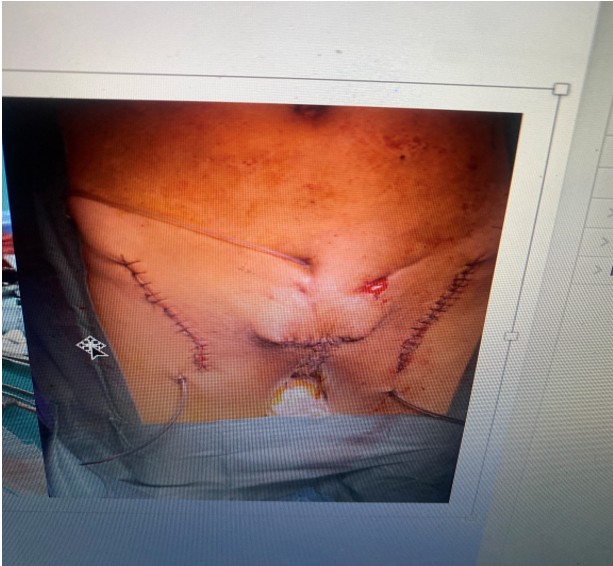
Figure 2: Immediate postoperative result after emasculation and bilateral lymph node dissection.

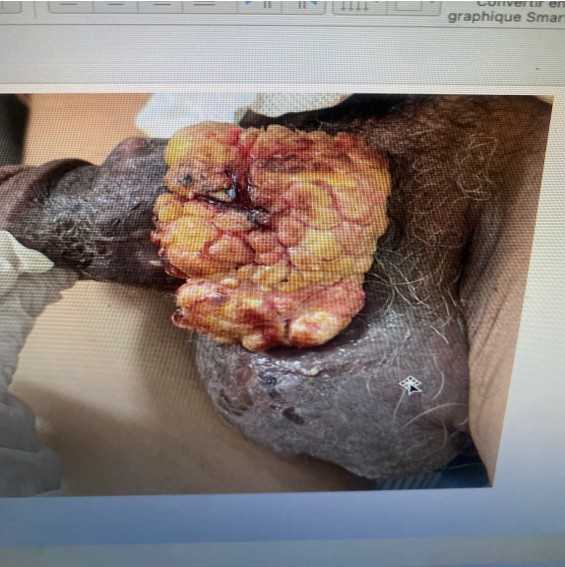
Figure 3: Local tumor recurrence observed 1 month after surgery.

Discussion

Buschke-Löwenstein tumor is characterized by its slow but infiltrative and destructive progression. Although histologically benign, its tendency to invade underlying structures without distant metastases makes it a unique entity [4]. Malignant transformation into squamous cell carcinoma is well documented in the literature, with an estimated transformation rate of 30 to 50% [5,6]. There are multiple associated risk factors: chronic HPV infection, immunosuppression, poor genital hygiene, smoking, and sexual promiscuity [7]. Diagnosis is based on clinical findings, histology, and extension imaging. The distinction between verrucous tumor and invasive carcinoma is based on subtle histological criteria, often necessary to guide treatment [8]. The standard treatment remains surgery, with wide margins. However, in very extensive or recurrent forms, management may require emasculation, as in our case [9]. The role of adjuvant treatments (chemotherapy, radiotherapy) remains limited, because Buschke tumors are not very radiosensitive and chemoresistant [10,11]. Local recurrence, such as that observed in our patient, is frequent. It reflects the infiltrative nature of the tumor and the difficulty of obtaining complete resection. Prolonged monitoring is therefore necessary [12,13]. Finally, prevention is based on anti-HPV vaccination, sexual education, and early diagnosis of genital lesions [14,15].

Conclusions

Buschke-Löwenstein tumor is a rare but serious condition due to its potential for degeneration and frequent recurrences. The therapeutic approach is essentially surgical. Prolonged monitoring is essential to detect recurrence, even after radical treatment.

References

  1. Chu QD, Vezeridis MP, Libbey NP, et al (1994). Giant condyloma acuminatum (Buschke-Löwenstein tumor) of the anorectal and perianal regions. Dis Colon Rectum.
  2. Trombetta LJ, Place RJ (2001). Giant condyloma acuminatum of the anorectum: trends in epidemiology and management. Dis Colon Rectum.
  3. Chu QD et al (1995). Giant condyloma: clinicopathologic overview. J Surg Oncol.
  4. von Krogh G et al (1993). Buschke-Löwenstein tumor: aspects of pathogenesis and treatment. Sex Transm Dis.
  5. Schellhammer PF, Jordan GH (1992). Penile carcinoma: diagnosis and management. Urol Clin North Am.
  6. Trombetta LJ (2003). Anorectal Buschke-Löwenstein tumors: surgical management. Say Colon Rectum.
  7. Palefsky JM (2007). HPV infection in men. Say Markers.
  8. Cubilla AL et al (1993). Carcinoma of the penis. A clinicopathologic study. Cancer.
  9. Stankiewicz A et al (2004). Buschke-Löwenstein tumor: surgery and follow-up. Urol Int.
  10. Chaux A et al (2010). HPV-associated penile cancers. Adv Anat Pathol.
  11. Kroon BK et al (2010). Contemporary management of penile cancer. Nat Rev Urol.
  12. Maiche AG (1992). Epidemiology and pathogenesis of penile cancer. Scand J Urol Nephrol.
  13. Lime A, Cubilla AL (2012). Diagnostic pathology of penile squamous cell carcinoma. Semin Diagn Pathol.
  14. Giuliano AR et al (2011). Efficacy of HPV vaccine in males. N Engl J Med.
  15. Parkin DM, Bray F (2006). Chapter 2: The burden of HPV-related cancers. Vaccinated.
TOP