Perception Of Nursing Teachers Regarding the Effect of Covid-19 On Clinical Training at Government Nursing College - Khartoum State –Sudan (2022)

Dr. Mohammed Khalid Hussein Khalid1, Mahassin Almahi Balla Fadilalla2*, Mohammed Khalid Hussein Khalid1

¹Assistant professor in Medical-Surgical Nursing, Department of Nursing, College of Nursing and Health Science, Jazan University, KSA
²Assistant professor of MSN, Department of Nursing, College of Nursing and Health Science Technology- Karary University, Sudan

*Corresponding author

Mahassin Almahi Balla Fadilalla, Assistant professor of MSN, Department of Nursing, College of Nursing and Health Science TechnologyKarary University, Sudan

Abstract

Background: COVID-19 has impacted the nursing education system worldwide, especially clinical practicum for teachers and learners. To solve this problem, courses in nursing schools across the globe, including those in Khartoum, had to close their doors and meet the World Health Organization and the local guidelines for safety and continuity of Education during the pandemic.

Objective: This research seeks to establish the effect of COVID-19 on the delivery of clinical nursing education in the Khartoum government nursing colleges.

Methodology: A cross-sectional analytical study design was used, and the study's participants comprised only 27 medical-surgical nursing teachers at the governmental nursing colleges in Khartoum. Data were collected using a self-administered online questionnaire created using Google Forms. The data were analyzed using the Statistical Package for Social Services (SPSS) Version 26. Frequency and relationship analyses were estimated using descriptive statistics and non-parametric and chi-square tests.

Results: The study observed that COVID-19 had an adverse effect on the clinical exposure of nursing students, whereas teachers and students were also affected negatively. Teachers were highly concerned about getting infected during clinical training, though a significant association existed between concern about infection and teaching experience.

Conclusion: Accordingly, this study finds that COVID-19 disrupted clinical practices for nursing students in Khartoum. Virtual simulations and hybrid models should be used in future pandemics to prevent discontinuity and decline in the quality of nursing education programs.

Keywords: COVID-19 Pandemic, Nursing Education, Clinical Training, Khartoum Nursing Colleges, Healthcare Education, Online Education.

Introduction

COVID-19 was first detected in December 2019 in Wuhan, Hubei Province, China; the virus causes the disease and features pneumonia-like symptoms. It grew out of proportion and affected the whole world. On March 11, 2020, in response to the outbreak of COVID-19, the World Health Organization (WHO) made it a world health emergency (Pavlichenko, 2021). COVID-19 infected over 34.3 million people across the world by October 2, 2020, and officially killed over 1 million people, whereas it affected over 180 countries (Levenson, 2020; Sáfrán, 2022). COVID-19 has impacted almost all sectors of everyone's life, especially healthcare facilities and medical Education, forcing institutions to adopt an unconventional system of teaching (Woolliscroft, 2020).

New threats that came with COVID-19 infection and transmission made it difficult for medical and nursing students to follow the regular teaching model of lectures and patient-centered clinical experiences (Sklar, 2020). Nursing education, in particular, encountered several challenges, as more than 50% of the delivery exposes students to clinical practical content (Sklar, 2020). The lockdowns and social distancing measures limited students' access to clinical wards or restricted it to specific simulation exam formats, reducing the time dedicated to knowledge transmission and teaching fundamental behavioral and clinical skills (Calhoun et al., 2020). As a result, nursing schools globally adopted other learning approaches, such as electronic learning, virtual reality, and simulation, to address the cli00245110 46 clinical practice void (Akers et al., 2020).

Like other countries, Sudan's pandemic slowed down medical schools, including government nursing colleges, and escalated the difficulties of offering quality clinical education. Students and faculty find it challenging to adapt to sudden changes in the environment, and many students complain about the lack of simulation equipment and little or no access to actual patients (Khasawneh et al., 2020). These disruptions require profound teaching and evaluating approaches to continue imparting knowledge without violating health guidelines.

Since clinical practice training is a significant training model in nursing education and the COVID-19 pandemic had a massive influence, it is crucial to undertake a comprehensive review of the problems experienced by educators and learners (Rose, 2020). This would allow for determining the pandemic's direct impacts on clinical training in nursing, assessing different transitional approaches used during this period, and indicating key recommendations for enhancing the future readiness of nursing educational systems (Dewart et al., 2020; Jackson et al., 2020).

This research aims to evaluate the effects of COVID-19 on clinical training in government nursing colleges in Khartoum State in 2022. More specifically, it seeks to examine the extent of the impact of COVID-19 on the performance of nursing educators, determines the performance of nursing students during the pandemic, analyzes the influence of the pandemic on clinical training courses, and assess the alternative approaches that have been used in offering clinical training under current circumstances.

Methodology

Research Design: This study applied a descriptive cross-sectional research design to assess the effects of COVID-19 on clinical nursing education in the government nursing colleges in Khartoum State-Sudan. Data were obtained from 27 participants of medical-surgical nursing educators at Karary University, Khartoum University, Nilein University Islamic University, Bahri University, and Al-Zaeim University. The primary research site for this study was Karary University, a public university founded in 1996 and supported by the Ministry of Higher Education & Scientific Research. The sample consisted of medical-surgical nursing teachers with one or more years of teaching experience who verbally agreed to participate in the study.

Data Collection: This study used a close-ended questionnaire structured by the researcher and pre-tested by a supervisor. The questionnaire comprised four sections: sociodemographic data, effects of COVID-19 on teachers' performance, impact on students' performance, and student's clinical training course. The survey was conducted online using Google Forms to reach the participants during the pandemic restrictions. The sampling technique used was total coverage, and the research involved 27 nursing educators.

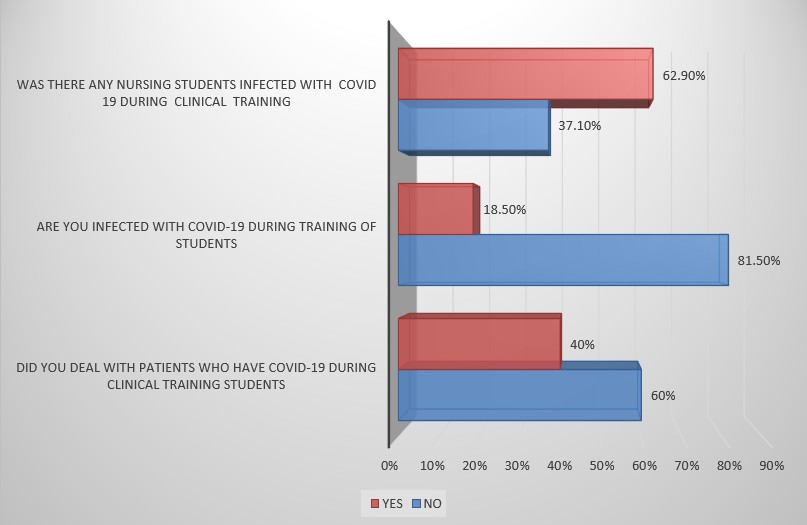
Figure 1: COVID-19 Exposure and Infection during Clinical Training.

Data Analysis: Data were analyzed using the Statistical Package for Social Sciences (SPSS) Version 26. Therefore, non-parametric tests and chi-square tests were used to establish the correlation between participants' responses and demographic data. Descriptive findings were summarized in tables and figures.

Ethical Consideration: Given the delicate nature of the financial information, ethical measures were implemented to guard participant identification. Every participant provided their informed permission, and all the organizational data was anonymized to guarantee their anonymity, thereby safeguarding their privacy. Furthermore, the relevant research complies with the ethical principles for research ethics on projects involving human participants.

Results

Demographic Characteristics of Nursing Educators: A demographic and professional analysis of 27 nursing educators showed that 66.6 percent of the participants were 32 years or older. Most participants were academically qualified, with 59.3% having a Master's degree and 37.0% having a Ph.D. As for experience, 66.6% of teachers had more than 7 years of teaching experience (Table 1).

Thus, these results describe the participants as highly qualified and experienced individuals crucial in overcoming the educational issues in the COVID-19 context.

Table 1: Demographic and Professional Characteristics of Participants (n = 27)

Table 2: Impact of COVID-19 on Nursing Educators' Performance (n=27)

These findings illustrate the stress and functional demands on educators, which threaten their ability to guide students effectively during clinical practice.

COVID-19 Impact on Teacher's Performance: The participants' level of agreement was relatively high; the number one fear was getting infected, scoring a mean of 1.74 (SD = 0.71). The students strongly agreed that there were increased absences, with a mean score of 2.52 (SD = 1.48), and decreased motivation, with a mean of 2.44 (SD = 1.45), as shown in Table 2.

These findings illustrate the stress and functional demands on educators, which threaten their ability to guide students effectively during clinical practice.

COVID-19 Impact on Students' Performance: To analyze the impact of COVID-19 on nursing students' performance, Participants agreed that the pandemic influenced students' stress levels positively by mean = 1.59, SD = 0.84, more absenteeism during clinical training by mean = 1.63, SD = 0.88, delayed graduation timelines by mean = 1.56, SD = 0.89 and academic results by mean (Table 3).

These results raise awareness of the extent to which nursing students experienced difficulties managing performance and academic advancement during the pandemic.COVID-19 impact on clinical training course.

Table 3: Impact of COVID-19 on Nursing Students' Performance.

Table 4: Impact of COVID-19 on clinical training course.

Table 5: An alternative method used for clinical training of students.

Table 6: Association between Demographic characteristics and Teachers' responses on the impact of COVID-19 on Clinical Education.

COVID-19 had implications for clinical training courses. Participants firmly disagreed that the training period was adequate and the course aims and goals were met (mean = 3.04; SD = 1.48) and disagreeable mean = 3.44; SD = 1.12). The reaction to the statement of having an adequate number of patients for training purposes was another set of neutral responses (mean = 3.33, SD = 1.07), as shown in Table 4.

These results address some previous revelations of severe disruptions to clinical training during the pandemic.

  • Alternate methods for clinical training: These paradigmatic shifts to patient care include using many other approaches to clinical training during COVID-19. Participants also agreed to use skills labs (mean = 1.37, SD = 0.49) and reduce hospital training times (mean = 1.70, SD = 0.99). Putting off clinical training (mean = 2.44, SD = 1.45) and stopping the hospital training (mean = 2.00, SD = 1.21) were also reported. (Table 5)

These adaptations draw attention to training changes that occurred during the pandemic.

  • Demographics and Fear of COVID-19 Infection: A positive, moderate, and significant correlation between teaching experience and perceived risk of contracting COVID-19 during clinical practice (t = 4.46, p = 0.001) revealed that the more senior the teacher, the higher the perceived risk of COVID-19 infection. As illustrated, there were no correlations between the patient's age and the disease duration (p = 0.07) or education level (p = 0.07), as illustrated in Table 6.

The results presented in this work draw attention to the experience in changing the perception of infection risks, noting the importance of personalized assistance during pandemics.

Discussion

This paper aims to reveal the emergent risks, anxiety, and disruptions of clinical training experienced by nursing educators and students enrolled in the Khartoum government nursing colleges during the COVID-19 pandemic (Al Mahdi). Consequently, the research results shed light on various ways COVID-19 affected nursing education and enlighten the aspects that need to be addressed or enhanced.

Regarding age, 33.3% of the nursing educators in the study fell under 32–37 years, while 33.3% were more than 40 years of age (Mwikali et al., 2023). These age groups are considered to be at a higher risk of COVID-19 morbidity and mortality because infection with the virus tends to be more severe in older adults. This aligns with global information, which shows the rate at which the pandemic affects individuals of certain ages, especially older adults, and not forgetting the most important educators. Therefore, there is a need to employ more significant protective measures when implementing this new system (Bank, 2020). This increases the susceptibility of this group, which becomes an essential factor when designing strategies to protect the faculty's health during pandemics.

The academic qualification of the educators revealed that 59.3% possessed a master's degree in nursing, while 37% possessed a PhD (Hickey et al., 2018). These figures show that academic professionals in the teaching staff are at a high level and essential for curriculum implementation and change during emergencies. Further, 33.3% of the educators have 7–10 years of teaching experience, and an equal proportion of those with over 10 teaching years also show their readiness to respond to Education during the pandemic. However, this expertise would have made these faculty members attentive to the risks of COVID-19 in clinical places, which may have made them develop anxiety and stress (Shanafelt et al., 2020).

The study also highlighted that 56.5% of the educators observed nursing students get infected with COVID-19 during the interphase of clinical training, out of which 62.9% of the educators claimed nursing students were infected while training in clinical facilities (Dhindayal et al., 2022). This paper directly captures the challenges of clinical training in a pandemic learning environment since students have to engage with the patients as part of their practice, and they are bound to come across patients who may be favorable for COVID-19 (Hayat et al., 2021). Such infections also have other effects because they contribute to anxiety among the students, their teachers, and the educators. The possibility of passing the virus to family members and other loved ones also reinforces this anxiety, making teaching and even learning very difficult for both teachers and learners (Bozkurt et al., 2020). The effect of this anxiety can be primarily psychological and play a role in the process of teaching and learning, as well as impact the mental health of all learners and teachers.

The dangers to the educators were also apparent, as 18.5% of tutors mentioned that they contracted COVID-19 while undertaking clinical practice. This statistic highlights the direct threat to hospital educators, especially during a pandemic. Infection among educators is detrimental to their health and impacts the delivery of Education because of the many cases of teacher absenteeism (Mohammed et al., 2020). This poses a problem with the continuity of Education and, at large, affects the quality of training offered to students. This disruption is unfavorable in nursing education since clinical training is the significant component of their training, not theoretical lessons.

Another issue noted in the study was the challenging Burden on educators, especially with 40% being forced to work as COVID-19 caretakers during the pandemic. Infection controls during the pandemic were scarce during the study period, and even the essential workers barely had enough personal protective equipment (PPEs) (Morris & Murray, 2021). The lack of PPE exposure added to the challenges experienced by educators and students as basic precautionary measures like wearing face masks were ineffective in high-risk areas of hospitals. This shows the need and calls for better consideration and planning to protect front-line educators and learners in future epidemics.

According to the study findings, COVID-19 reduced teaching performance by impacting how educators teach; hence, it had a negative influence. The mean response scores of 1.7, 2.5, and 2.44 proved that educators agreed that the pandemic had an adverse effect on teaching performance. This result supports other studies in countries like Ethiopia, where Anguso et al. (2021) revealed that 59.9% of nursing educators believed COVID-19 negatively affected clinical learning (Angasu et al., 2021). Educators have faced many problems, such as disruption of clinical practice, working overload, and increased stress; these factors will undoubtedly impact teaching performance deterioration.

COVID-19 was also evaluated regarding its effects on student performance, and the results were negative (Gonzalez et al., 2020). It is worth pointing out that all mean response scores are >1.5, where educators agreed that the pandemic negatively impacted students' Clinical Education. Clinical practice is the most essential requirement of nursing education because it helps students learn practical lessons expected of them (Ferri et al., 2023). However, the pandemic upset this crucial learning segment; numerous students could not accomplish the training or attain the goal set by their clinical courses. This disruption is not only in current performance but also in future readiness to practice as professionals in the field.

The challenges in clinical training were further amplified by the realization that the duration of the clinical training courses was inadequate during the pandemic. The respondents stated that the goals of clinical training courses are unfulfilled, insinuating that students fail to learn and equally acquire clinical skills (Gordon et al., 2020). These findings emphasize the importance of better ideas to maintain and enhance clinical Education during crises. This led to some recommendations, such as using other models in clinical training, as highlighted in the study. Professors fully supported strategies like training students in skills laboratories and providing them with lab simulations, shortening the hospital practice term, delaying clinical practice, or even halting it altogether (Noll, 2021). Although these options cannot completely replace the hospital's practical training, they are essential tools that help reduce the effects of disruptions occasioned by pandemics.

Lastly, the study established a positive correlation between the number of years of educators' teaching practice and their perceptions of getting infected during clinical training with a p-value of 0.001 (Motte-Signoret et al., 2021). This finding reveals that COVID-19 affected the mental health of seasoned teachers who may have been most conscious of the dangers. This fear governed the teaching methodology and relations with students, thus adding to the trouble in the educational procedure.

Conclusion

This study finds that the COVID-19 pandemic negatively affected the government college nursing education in Khartoum state in terms of teachers' performance, students' performance, and clinical practicum. Teachers were at a higher risk of stress and disruption of personal training, and the students received fewer practical sessions, thereby having poor learning outcomes and developing expertise. Duties of clinical training courses were reduced, and all-important goals were not achieved, which proves the presence of several deficiencies in practical knowledge (Askim & Christensen, 2022). More time spent in the existing skills laboratories and less time for hospital-based training and other specialty-based solutions were outlined as the temporary measures mainly supported by the educators to minimize the effects of the pandemic. It is concluded that there is a desperate need for strategies, enhancing safety measures, and courses of action to sustain and improve the quality of nursing education in the face of future health emergencies and their long-term repercussions.

Future Recommendations: Other forms of clinical practice experience, namely skills laboratories and virtual simulations, were implemented systematically so that they could continue uninterrupted during emergencies. Online teaching should be designed as the systematized and efficient replacement of face-to-face Education in correspondence with the appropriate information technologies, resources, and teacher training. Nursing institutions should incorporate pandemic preparedness into the conceptual curriculum, enhance its safety measures with proper PPE, and create a contingency plan for subsequent disruptions. These steps will improve robustness, protect the standards of the degree programs, and support the physical and mental welfare of faculty and pupils during emergencies.

References

  1. Akers, A., Blough, C., & Iyer, M. S. (2020). COVID-19 implications on clinical clerkships and Akers A ; Blough C & Iyer MS. (2020). COVID-19 implications on clinical clerkships and the residency application process for medical students. Cureus, 12(4).
  2. Al Mahdi TAS. Preparedness of Sudanese medical students for COVID-19 challenge: Knowledge, perceptions, and readiness to participate in the campaign against the disease. Performance of GeneXpert test compared to conventional methods in diagnosis of childhood tuberculosis in Khartoum, Sudan, 27.
  3. Angasu K; Bekela T; Gelan M; Wakjira D; Melkamu E; Belachew B & Diribsa T et al. (2021). COVID-19's negative impacts on clinical learning and proposed compensation mechanisms among Jimma University undergraduate midwifery and nursing students. Advances in Medical Education and Practice, 1411-1417.
  4. Askim J & Christensen, T. (2022). Crisis decision-making inside the core executive: Rationality, bureaucratic politics, standard procedures and the COVID-19 lockdown. Public Policy and Administration, 09520767221129676.
  5. Bank, W. (2020). The COVID-19 pandemic: Shocks to education and policy responses. World Bank.
  6. Bozkurt A ; Jung I; Xiao J; Vladimirschi V; Schuwer R & Egorov G et . al (2020). A global outlook to the interruption of Education due to the COVID-19 pandemic: Navigating in a time of uncertainty and crisis. 15(1), 1-126.
  7. Calhoun KE ; Yale LA; Whipple ME; Allen SM; Wood D E & Tatum, RP. (2020). The impact of COVID-19 on medical student surgical education: implementing extreme pandemic response measures in a widely distributed surgical clerkship experience., 220(1), 44-47.
  8. Dewart G; Corcoran L; Thirsk L & Petrovic K. (2020). Nursing education in a pandemic: Academic challenges in response to COVID-19. Nurse Education Today, 92, 104471.
  9. Dhindayal S; Letsoalo MP; & Gengiah TN (2022). Mental health outcomes and workplace quality of life among South African pharmacists during the COVID-19 pandemic: a cross-sectional study. Journal of Pharmaceutical Policy and Practice, 15(1), 66.
  10. Ferri P; Stifani S; Morotti E; Alberti S;Vannini V & Di Lorenzo et al (2023). Nursing students’ evaluation of clinical learning environment and supervision models before and during the COVID-19 pandemic: a comparative study. Acta Bio Medica: Atenei Parmensis, 94(6).
  11. Gonzalez T; De la Rubia M A; Hincz KP; Comas-Lopez M; Subirat L; Fort S & Sacha GM. (2020). Influence of COVID-19 confinement on students’ performance in higher Education. PloS one, 15(10), e0239490.
  12. Gordon M; Patricio M; Horne L; Muston A ; Alston SR; Pammi M & Thammasitboon Et. aL. (2020). Developments in medical Education in response to the COVID-19 pandemic: a rapid BEME systematic review: BEME Guide No. 63. Medical teacher, 42(11), 1202-1215.
  13. Hayat AA; Keshavarzi MH; Zare S; Bazrafcan L; Rezaee R & Faghihi SA Et al (2021). Challenges and opportunities from the COVID-19 pandemic in Medical Education: a qualitative study. BMC Medical Education, 21(1), 247.
  14. Hickey KT; Taylor JY; Barr TL; Hauser NR; Jia H & Riga TC Et al . (2018). Nursing genetics and genomics: The International Society of Nurses in Genetics (ISONG) survey. Nurse Education Today, 63, 12-17.
  15. Jackson D; Bradbury‐Jones C; Baptiste D; Gelling L; Morin K. & Neville S Et Al. (2020). Life in the pandemic: Some reflections on nursing in the context of COVID‐ Journal of Clinical Nursing, 29(13-14), 2041.
  16. Khasawneh AI; Humeidan AA; Alsulaiman jW ; Bloukh S; Ramadan M; Al-Shatanawi TN & Awad HH Et Al (2020). Medical students and COVID-19: knowledge, attitudes, and precautionary measures. A descriptive study from Jordan. Frontiers in public health, 8, 253.
  17. Levenson, M. (2020). The scale of China's Wuhan shutdown is believed to be without precedent. The New York Times, 2.
  18. Mohmmed, A. O., Khidhir, B. A., Nazeer, A., & Vijayan, V. J. (2020). Emergency remote teaching during Coronavirus pandemic: the current trend and future directive at Middle East College Oman. Innovative Infrastructure Solutions, 5, 1-11.
  19. Morris H & Murray R. (2021). Healthcare, hygiene, and personal protective equipment (PPE). In Medical Textiles (pp. 261-310). CRC Press.
  20. Motte-Signoret E; Labbé A; Benoist G; Linglart A; Gajdos V & Lapillonne A. (2021). Perception of Medical Education by learners and teachers during the COVID-19 pandemic: a cross-sectional survey of online teaching. Medical Education Online, 26(1), 1919042.
  21. Mwikali M; Salim N; Sylvester I & Munubhi, E. (2023). Nurses' knowledge, perceived challenges, and recommended solutions regarding premature infant care: A mixed method study in the referral and tertiary hospitals in Dar es Salaam, Tanzania. PloS one, 18(3), e0281200.
  22. Noll G. (2021). Value Perceptions Of Basic Clinical Laboratory Assistant Training With Certification.
  23. Pavlichenko B. (2021). The economic impact of COVID-19 pandemic measures on the functioning of the enterprises from the selected branches in Poland. Humanities and Social Sciences, 29(44), 29-31.
  24. Rose, S. (2020). Medical student education in the time of COVID-19. Jama, 323(21), 2131-2132. Sáfrán, A. K. (2022). Spinning plates.
  25. T; Ripp J & Trockel M. (2020). Understanding and addressing sources of anxiety among healthcare professionals during the COVID-19 pandemic. Jama, 323(21), 2133-2134.
  26. Sklar DP. (2020). COVID-19: Lessons from the disaster that can improve health professions education. Academic medicine, 95(11), 1631-1633.
  27. Woolliscroft, J. O. (2020). Innovation in response to the COVID-19 pandemic crisis. Academic medicine, 95(8), 1140-1142.
TOP