
Single Origin Coronary Artery Anomaly
Gulana Aghayeva* , Saida Huseynova , Narmin İslamova, Mehman Aghamalıyev
Medistyle Hospital, Clinic of Cardiology, Baku, Azerbaijan
*Corresponding author
*Gulana Aghayeva, Medistyle Hospital, Clinic of Cardiology, Baku, Azerbaijan
DOI: 10.55920/JCRMHS.2025.10.001429
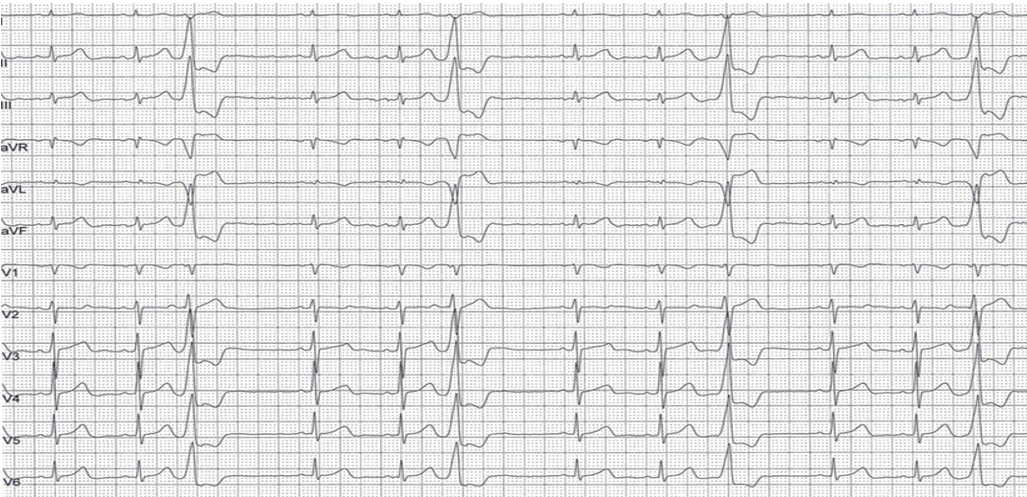
Echocardiography: LVEF - 60%, no significant segmental wall abnormalities observed, minimal mitral regurgitation (MR).
The patient underwent coronary angiography (CAG):
All coronary vessels originate from the right coronary cusp and the same ostium. Selective contrast was administered to the left coronary cusp, but no coronary outflow was observed. The patient was advised to undergo a 24-hour rhythm Holter monitoring.
24-hour rhythm Holter: 6,220 (6%) isolated, bigeminy, and trigeminy ventricular ectopics were noted. The patient was started on Metoprolol 25 mg b.i.d.
1-month follow-up: The patient reported no complaints, and the 24-hour rhythm Holter showed a 2% occurrence of ventricular ectopics.
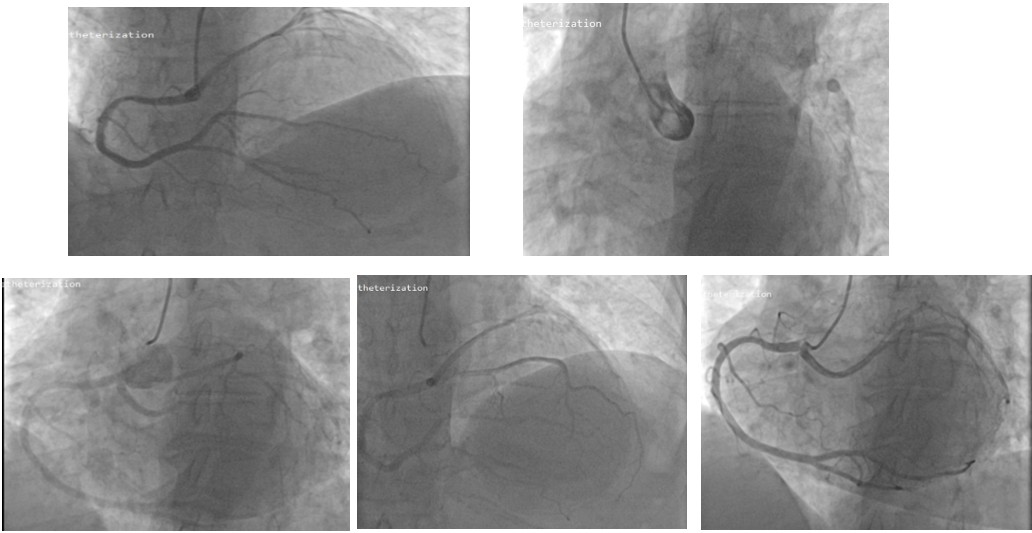
Table 1: Lipton's Classification of Single Coronary Artery
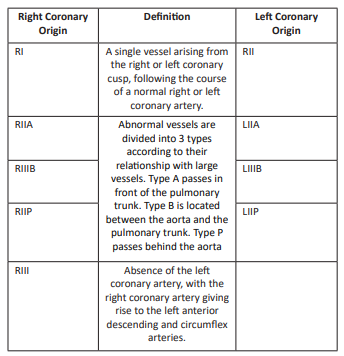
This table summarizes Lipton's classification of a single coronary artery, with different types based on the origin and anatomical course of the coronary artery.
The letters R or L are used to determine the ostial origin of the vessel; the Roman numerals I, II, or III are used to indicate the anatomical distribution of the vessel, while the letters A, B, P, S, and C describe the course of the vessel in relation to the pulmonary artery and aorta[7].
Some anomaly classifications, such as Rl and LI types, show a benign clinical course. However, if the abnormal coronary artery is of the R/LIIB or RIII type, it suggests a higher tendency for serious clinical complications.Bottom of Form