Assessing the Efficacy of Nifedipine in the Management of Hypertensive Urgency among Blacks in Oyo Town

Iyanuloluwa S. Ojo1*; Samuelii O. Alawode1; Adeola Oyerinde2; Mubarak A. Salami3; Mujib O. Surakat1; Ismael Adeniyi4

¹General Physician, University College Hospital, Ibadan, Nigeria.
²Department of Internal Medicine, Irrua Specialist Teaching Hospital, Irrua, Nigeria.
³General Physician, National Youth Service Corps, Lagos, Nigeria.
⁴General Physician, Peamak Maternity Center, Oyo Town, Nigeria.

*Corresponding author

*Iyanuloluwa S. Ojo, General Physician, University College Hospital, Ibadan, Nigeria

Abstract

Background: Hypertensive crisis are burdensome in sub Saharan Africa than every otherpart of the world. Few studies have been done to assess the effectiveness of Nifedipine among blacks in sub-Saharan Africa , the region which ironicallyhas the highest burden of hypertensive urgency in the world hence the needfor this study

Results: Out of the 328 hypertensive patients that presented at the health center for the study, 40 were diagnosed with hypertensive urgency. The overall use of nifedipine was moderately efficacious, as nifedipine did not reduce the diastolic pressure by 10 percent or the mean arterial pressure by 25 percent in23 out of 40 participants(57.5%). However, it was effective by standardinaconsiderable 17 out of 40patients(42.5%). The oral route of administrationwas efficacious in only 2 out of 6(33.3%)participants, while the sublingual route was efficacious in 15 out of 34(44.1%). Nifedipine was efficacious in4out of 10(40%) of those who waited for 30 minutes before checking their post- administration blood pressure, 1 out of 2(50%) of those who waited for 45minutes, 10 out of 25(40%) of those who waited for 60 minutes, and 2 out of 3(66.6%) of those who waited for 120 minutes. Nifedipine was efficacious in17 out of 35(48.6%) of the participants administered 20 mg, while it was not efficacious in those administered 40 mg. However, the proportion of those administered 20 mg was overwhelmingly more than those administered40mg.

Keywords: Nifedipine; Hypertension; Hypertensive urgency; Blacks; Oyo town

Introduction

Background information: Hypertension is arguably the most burdensome non-communicable disease in the world, and almost half of the ailments that plague adulthood can be ascribed to hypertension [1]. The World Health Organization stated that anestimated 1.28 billion persons in the world are hypertensive, with forty-six percent of them not even knowing that they are hypertensive [1]. Unawareness, poor drug compliance, and low socioeconomic factors make it even more difficult to control. The World Health Organization emphatically stated that hypertension is a major cause of premature deaths worldwide [1]. Contributing immensely to these premature deaths are two important effects of hypertension: hypertensive urgency and emergency [2]. Hypertensive urgency is defined as the elevation of diastolic pressure above 120mmHg without any acute target organ disease, while in hypertensive emergencies, both systolic and diastolic pressures are increased, usually with a systolic blood pressure of greater than or equal to 180mmHg and/or a diastolic pressure of greater than or equal to 120mmHg. There is acute target organ damage, which includes encephalopathy, acute left ventricular failure, aortic dissection, subarachnoid bleeding, and cerebrovascular accident [3].

Hypertensive crisis is particularly prevalent in sub-Saharan Africa, with a 5.1%prevalence in Uganda and a 2:1 ratio of hypertensive urgency over hypertensive emergency, mostly linked to poor drug compliance as the commonest risk factor in a study done in Uganda [4]. The prevalence is even higher in Cameroon, with a prevalence of 6.2%, a country closer to the location of the study. The prevalence in Mogadishu is lower, with a 2.1%prevalence and 45.3% being hypertensive urgency [5]. Hypertensive crises are more burdensome in sub-Saharan Africa than in other parts of the world, with hypertensive crisis being less than 1 percent in advanced countries such as the United States. This can also be due to the fact that hypertension is common in sub-Saharan Africa. Hypertensive emergency is the more clinically fatal of the two and usually requires admission and parenteral treatment. Hypertensive urgency is usually treated with the use of short-acting antihypertensives. The goal of therapy in the management of hypertensive crisis is to ensure a prompt but steady decrease in blood pressure levels [6]. A study from the New England Journal of Medicine by David and Suzanne establishes that a reasonable goal in the management of hypertensive crisis is to reduce the

mean arterial pressure by 25 percent or reduce the diastolic pressure to 110mmHg or 100mmHg over a period of several minutes to hours [7]. Drastic reductions to normotensive or hypotensive levels should be discouraged, as they can lead to end-organ ischemia. Sodium nitroprusside is the drug of choice for hypertensive emergencies, while other short-acting antihypertensives like esmolol, labetalol, and nicardipine are also used sometimes [8]. However, sodium nitroprusside should be used with caution due to its ability to cause a precipitous decrease in blood pressure and its electrocardiographic side effects [9]. Sublingual nifedipine and clonidine are often used to treat hypertensive urgency [10]. However, they must be used at the right doses, usually 10mg and 20mg, respectively.

Justification for the study: Generally, there are few studies on hypertensive crises, possibly due to the fact that it is not much of a concern for the Western world. Few studies have been done to assess the effectiveness of nifedipine among blacks in sub-Saharan Africa, the region which ironically has the highest burden of hypertensive urgency in the world [11,12]. There are peculiarities in the pharmacokinetics of races all across the world, especially in drugs likely to undergo the hepatic first-pass effect [13]. Nifedipine particularly has been singled out to be influenced by racial differences in comparisons between Caucasians and the Chinese [14,15]. Nifedipine is a medication that undergoes a significant first-pass effect, especially in the small intestines. The currently specified dose of nifedipineforthe management of hypertensive urgency is based on the few existing studies, mostly done on Americans. The sublingual mode of administration is one of the popular routes to bypass the first-pass effect [16]. However, it is still necessary to administer a scientifically correct dose to black sub-Saharan Africans based on studies done to assess the efficacy of these doses in them. Hence, the need for this study. Nifedipine is also known to induce renal dysfunction in patients, especially those with chronic renal insufficiency [17]. Chronic kidney disease is more common and more severe in sub-Saharan Africa than in any other part of the world [18]. Hence, it is important to justify the rationale for its use in treating hypertensive urgency in this region and to establish the correct dose. This study is hence overdue as it is needed to justify or not the need for sublingual nifedipine among blacks in sub-Saharan Africa by measuring its efficacy in this group. The need to also determine the right minimal effective dose to avoid renal problems, to which blacks living in sub-Saharan Africa are most predisposed, makes this study essential

Aim and objectives

Aim: To assess the efficacy of nifedipine in the management of hypertensive urgency among blacks in Oyo town.

Objectives: To assess the effect of the route of administration on the efficacy of nifedipine in the management of hypertensive urgency using the sublingual and oral routes of administration. To assess the effect of the dose of nifedipine given on the efficacy of nifedipine in the management of hypertensive urgency. To assess the effect of the waiting time post-administration of nifedipine on the efficacy of nifedipine in the management of hypertensive urgency. To assess the side effects and their frequency associated with nifedipine in the management of hypertensive urgency

Material and methods

Study location: The study was conducted in Oyo Town, a significant town in Nigeria due to its ancient heritage and cultural significance. Oyo Town is home to the capital of the defunct Oyo Empire, one of the most important regions that ever existedin Africa. Many black Americans can trace their ancestry to this region, as it was a major source of slaves traded in the Pan Atlantic slave trade. Oyo Town is located in Oyo State and comprises four local governments: Afijio, Atiba, Oyo East, and Oyo West. The study was carried out in the state hospital, Oyo, and private facilities dispersed in Atiba, Oyo West, and Oyo East local governments. These are the most populated health facilities in the town and represent the populace of patients that present to healthcare facilities in the town. The healthcare facilities are low-resource settings where standard diagnostic tools are rarely found.

Sample size determination:  A purposive non-random sampling technique was used, as sample size determination was not applicable.

Study design: This study was a descriptive cross-sectional study conducted among known hypertensive patients who had been diagnosed with hypertensive urgency by a certified physician in Oyo Town. The study utilized quantitative data collection methods.

Study population: Known hypertensive patients who had been diagnosed with hypertensive urgency (diastolic pressure of greater than or equal to 120mmHg without the presence of an acute target organ disease) by a certified physician were included. The inclusion and exclusion criteria can be found in Table 1

Sampling technique: A purposive non-random sampling technique was used to select eligible respondents for this study. Stage One: The three health facilities with the largest volume of patients in Oyo West Local Government and Oyo East Local Government were selected for the study. Physicians certified by the Medical and Dental Council of Nigeria were recruited to conduct the study and were taught the aim and methodology of the study. Stage Two: Known hypertensive patients who came for clinic visits were selected, and their blood pressure was checked at every clinic visit. Stage Three: Known hypertensive patients with a diastolic pressure of greater than or equal to 120mmHg without any acute target organ disease were educated about the study, its aims, methods, and implications. Those who consented to participate were selected.

Data collection procedure: Data was recorded into Google Forms after the measurement of blood pressure before and after the administration of nifedipine.

Data analysis: Data was collated using Microsoft Excel and analyzed using R 4.4.0. Socio- demographic characteristics were summarized using frequency and proportions for categorical variables such as the age and sex of participants. This method was also used to summarize the mode of administration, dose of nifedipine administered, the time duration before post-administration measurement of blood pressure, and the precipitant factor for the hypertensive urgency. Frequency and proportion were also used for variables such as systolic and diastolic blood pressure before and after the administration of nifedipine and the mean arterial pressure. Univariate analysis was done to determine the socio-demographics, systolic and diastolic blood pressure before and after the administration of nifedipine, mean arterial pressure, clinical effect post-administration, patient satisfaction, and side effects.

Bivariate analysis was done to determine the relationship between the dose of nifedipine, the mode of administration of nifedipine, the time duration before post-administration measurement of nifedipine, and the resulting post- administration blood pressure and mean arterial pressure. A reduction of diastolic pressure by 10% or a drop in the mean arterial pressure by 25%inthe first hour is considered statistically efficacious [19].

Variables

Independent Variables

Dose of the drug: The dose of nifedipine administered was categorized into two: 20mg and 40mg. Time duration before post-administration blood pressure measurement: The time durations tested for post-administration effect were categorized into30minutes, 45 minutes, and 60 minutes. Route of administration: While the primary route of administration was the sublingual route, the study also determined the effect of the oral route of administration (by chewing) to compare it with the sublingual route. This was categorized into two: sublingual and oral.

Dependent Variables: The dependent variable for the efficacy of nifedipine was determined by the blood pressure and mean arterial pressure measurement post-nifedipine administration. If the diastolic pressure reduces by 10% or the mean arterial pressure by 25% and the clinical effect is positive, then the nifedipine administered is said to be efficacious. If not, it is not efficacious.

Results

Tables 2, 3 show the socio-demographics of participants in this study, specifically the age group and sex of participants. Fourteen out of forty patients (35%) were in the 60-69 age group, which constituted the highest proportion of participants. The extremes of the age groups (20-29 and 70-79) were poorly represented, with only 2 out of 40 patients (5%) each. Twenty- eight out of the forty patients (70%) that participated in the study were female, while twelve out of forty patients (30%) were male.

Table 1: Inclusion and Exclusion Criteria
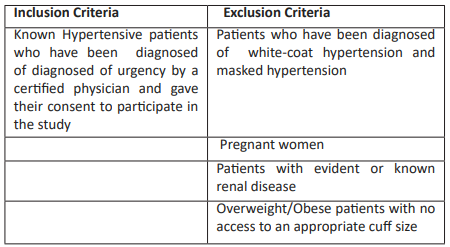
Table 2: Age group of participants
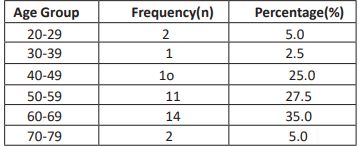
Table 3: Sex of participants
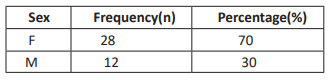
Table 4 shows that most of the Nifedipine prescribed was given via the sublingual route of administration: 34 out of 40 patients (85%). Meanwhile, 6out of 40 patients (15%) were given Nifedipine via the oral route of administration (by chewing) for comparison between the two routes.

Table 4: Route of administration of nifedipine
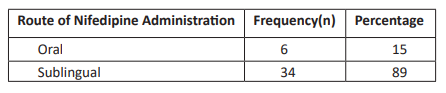
Table 5 shows that most participants, 25 out of 40 patients (62.5%), were asked to wait for 60 minutes before the final blood pressure was checkedpost- administration of Nifedipine. Ten out of 40 patients (25%) waited for 30minutes, 3 out of 40 patients (7.5%) waited for 120 minutes, and 2 out of 40patients (5%) waited for 45 minutes

Table 5: Waiting time before post administration blood pressure measurement data
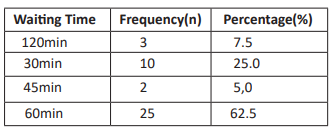
Table 6: Precipitating factors for hypertensive urgency data
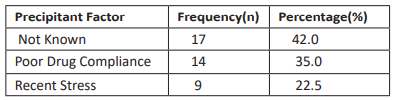
Table 7 shows that the oral route of administration was efficacious in only 2out of 6 patients (33.3%) who used it, while the sublingual route was efficacious in 15 out of 34 patients (44.1%) who used it.

Table 7: Data showing the comparison between the route of administration of nifedipine and its efficacy
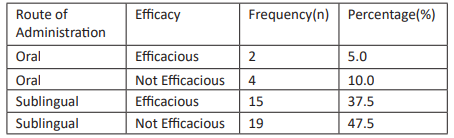
Table 8 shows that Nifedipine was efficacious in 4 out of 10 patients (40%) who waited for 30 minutes before checking their post-administration bloodpressure. Nifedipine was efficacious in 1 out of 2 patients (50%) who waitedfor 45 minutes, 10 out of 25 patients (40%) who waited for 60 minutes, and2out of 3 patients (66.6%) who waited for 120 minutes.

Table 8: Data showing the comparison between the waiting time post administration of nifedipine and its efficacy
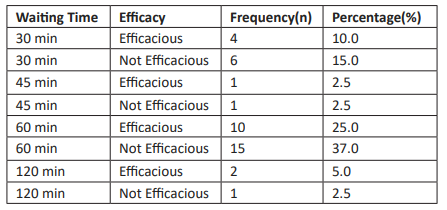
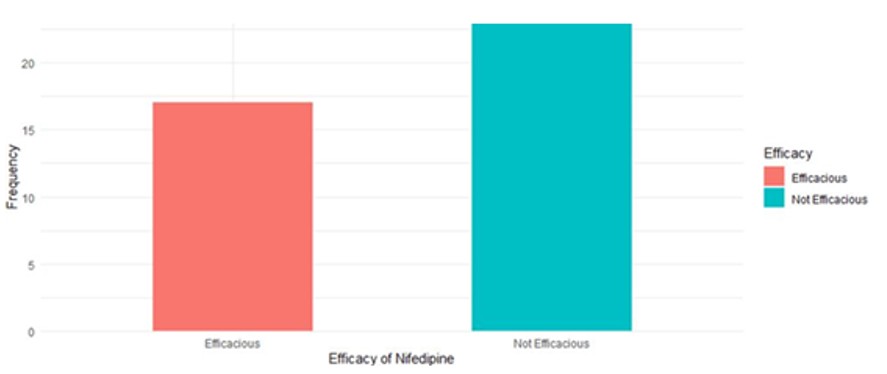
Figure 1 shows that the overall use of Nifedipine, irrespective of the dose, mode of administration, and waiting time post-administration, is moderately efficacious. Nifedipine did not reduce the diastolic pressure by 10% or the mean arterial pressure by 25% in 23 out of 40 patients (57.5%). However, it was considered effective by standard in a significant 42.5%(17out of 40 patients).

Figure 1: Bar chart depictiong the efficancy of nifedipine amoung blacks in Oyo town
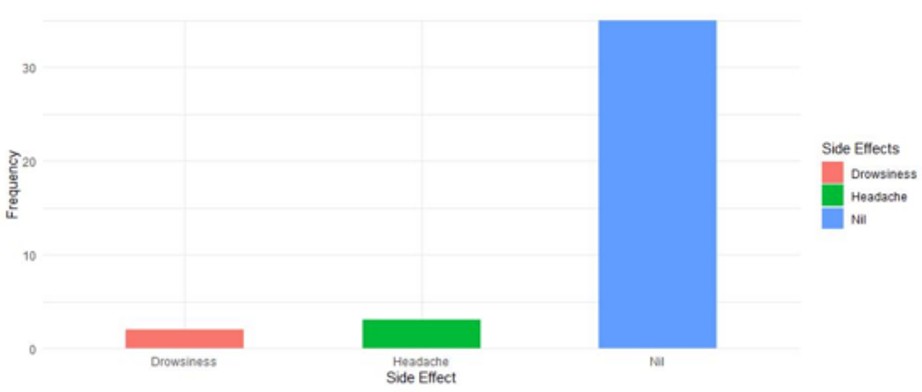
Figure 2: Figure Showing the frequency of he side effects encountred post administration of nifrdine

Figure 2 shows the frequency of the side effects encountered post administration of nifedipine. 2 out of 40 patients (5%) complained of drowsiness after the administration of nifedipine, 3 out of 40 patients (7.5%) complained of headache while 35 patients had no side effects.

Table 9 shows that Nifedipine was efficacious in 17 out of 35 patients (48.6%) who were administered 20 mg, while it was not efficacious in those administered 40 mg. However, the proportion of those administered 20mgisoverwhelmingly higher than those administered 40 mg.

Table 9: Data showing the comparison between the dose of nifedipine and its efficacy
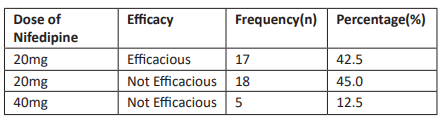
Table 10: Data showing the comparison between the precipitant factor for hypertensive urgency and the efficacy of sublingual nifedipine
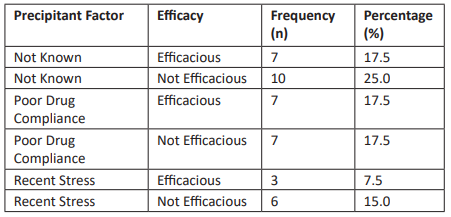
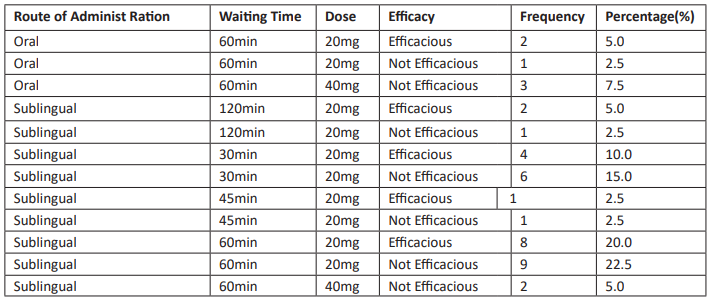
Table 11 compares the route of administration, the waiting time post administration of nifedipine, the dose of nifedipine administered withthe efficacy of nifedipine.

Table 11: Data showing the comparison between the route of Administration, waiting time, dose of nifedipine and efficacy
Discussion

This study assessed the efficacy of nifedipine in the management of hypertensive urgency among blacks in Oyo Town. The key variables studied to determine their impact on the efficacy of nifedipine in managing hypertensive urgency included the route of administration, the dose administered, and the waiting time before blood pressure measurement post-administration. The side effects associated with nifedipine management were also assessed, along with the frequency of each side effect.

The first objective was to assess the effect of the route of administration on the efficacy of nifedipine in managing hypertensive urgency using the sublingual and oral routes. The efficacy of both routes of administration was below average in managing hypertensive urgency among

However, the sublingual route was found to be more efficacious than the oral route. This is likely because the sublingual route bypasses the first-pass effect, as nifedipine is metabolized in the liver via the CYP3A4 pathway

This finding contrasts with a study done in Europe, which observed that oral nifedipine is more efficacious than sublingual nifedipine [20]. However, this European study focused on untreated hypertensives rather than hypertensive urgency. Another study by R.C. McAllister Jr. (M.D.) showed that the oral route is more effective than the sublingual route if the medication is bitten and swallowed, the same method used in this study. The study also questioned the absorption of nifedipine via the buccal mucosa [21]. In obstetrics patients, sublingual nifedipine achieved faster tocolysis than oral nifedipine in patients with premature labor [22]. Few recent studies have compared sublingual to oral nifedipine, but sublingual nifedipine has been studied more extensively and is the preferred route of administration for managing hypertensive urgency in most emergency rooms. Its use over oral nifedipine is supported by this study, although a limitation is that fewer participants were given the oral route due to its unpopularity among physicians.

The second objective was to assess the dose of nifedipine on its efficacy in managing hypertensive urgency in Oyo Town using 20mg and 40mg doses. Nifedipine was efficacious in almost half of those administered 20mg, while it was not efficacious at all in those administered 40mg.

A similar study by Junichi Minami et al. showed that nifedipine CR administered once daily was more effective than nifedipine retard administered at the same dose twice daily, supporting the findings of this study [23]. However, it should be noted that nifedipine CR and nifedipine retard are different formulations and might not be a perfect analogy.

The number of participants administered 20mg was overwhelmingly more than those administered 40mg due to precautions regarding potential side effects.

The third objective was to assess the effect of the waiting time before blood pressure measurement post-administration of nifedipine on its efficacy among blacks in Oyo Town. Nifedipine was found to be most efficacious in those who waited for 120 minutes, while it was averagely efficacious at 30, 45, and60minutes.

Few studies have compared the waiting time before blood pressure measurement. However, most studies assessing nifedipine's effectiveness measured blood pressure 30 and 60 minutes post-administration [24, 25]. Olivari et al. found that nifedipine offers prompt control of diastolic pressure at 30 minutes and persistent control at 120 minutes [26]. Another study showed that nifedipine achieves peak levels after 15 to 90 minutes [22]

Most hypertensive patients studied had no side effects, and only one-tenthof the participants complained of a side effect post-administration. The only two side effects observed were drowsiness and headache, which can be attributed to nifedipine’s potent vasodilating effect. Both side effects had equal frequency among participants.

Overall, the efficacy of nifedipine in managing hypertensive urgency among blacks in Oyo Town was average. While it reduced diastolic blood pressure by at least 10mmHg and achieved a diastolic blood pressure below 120mmHginmore than 90 percent of participants, it was only slightly below average in reducing diastolic blood pressure by 10% of the initial diastolic pressure or 25% of the mean arterial pressure, which were the criteria used to assess efficacy in this study.

Limitations: As with any purposive sampling technique, the representative nature of the sample could be debatable. The study was carried out in a few hospitals, so the results might not be generalizable to the entire population of Oyo Town. However, the study tried to overcome this by ensuring it was conducted in the health facilities with the highest turnover of patients in Oyo Town. The aim of the study is also not strictly dependent on representation from all local governments in Oyo Town. To validate our findings, further studies can be conducted in a community setting

Additionally, this study relied on blood pressure values recorded by physicians certified by the Medical and Dental Council of Nigeria. This makes it susceptible to biases, such as parallax errors made by physicians while checking blood pressure. To reduce this bias, physicians were instructed to check blood pressure at least twice.

Recommendations: The efficacy of nifedipine in managing hypertensive urgency among blacks is at best average, so alternative anti-hypertensives should be considered if sublingual nifedipine fails 120 minutes after administration. Moreover, based on the findings of this study, the recommended minimal effective dose of sublingual nifedipine is 20mg, as increasing the dose does not improve efficacy in managing hypertensive urgency

Conclusions

This study reveals that the efficacy of nifedipine in the management of hypertensive urgency among blacks in Oyo Town is at best average.

The sublingual route of administration is more effective than chewing the tablets (the oral route), and the dose of nifedipine administered does not affect its efficacy in steadily lowering blood pressure during hypertensive urgency.

The best time to check the blood pressure of patients after the administration of nifedipine to manage hypertensive urgency is 120 minutes post- administration. The likely side effects encountered in blacks after the administration of nifedipine are headache and drowsiness, which are rare.

Declarations

Ethical Considerations: This study was approved by the Clinical Research Ethics Committee of the University of Ibadan/University College Hospital, Ibadan (Reference number: UI/EC/24/0032) as part of the Medical Internship Training Protocol (MINTING) in Nigeria. All methods were performed in accordance with the relevant Helsinki Declaration guidelines.

Participants were informed about the purpose of the study, and written informed consent for participation was obtained from all participants

Credit authorship contribution statement: ISO conceived the study, requested for the data, wrote the first draft, and performed the statistical analysis with support from SOA, AO, MAS, MOS and IA. MOS and SOA revised the first draft and made intellectual contributions. ISO also supervised others during the project.

Declaration of Competing Interest: We declared no competing interest

Funding Sources: This research did not receive any specific grant from funding agencies in the public, commercial, or not-for-profit sectors.

References

  1. Hypertension (2023). Accessed: Jun. 20, 2024. http://www.who.int/news-room/fact- sheets/detail/hypertension.
  2. Cantone M; Lanza G; Puglisi V (2020). Hypertensive crisis inacute cerebrovascular diseases presenting at the emergency department: A narrative review. Brain Sci 11:70. 10.3390/brainsci11010070
  3. Astarita A; Covella M; Vallelonga F (2021). Hypertensive emergencies and urgencies in emergency departments: a systematic review and meta-analysis. J. Hypertens 38:1203- 2020. 10.1097/HJH.0000000000002372
  4. Nakalema I; Kaddumukasa M; Nakibuuka J (2019). Prevalence, patterns and factors associated with hypertensive crises in Mulagohospital emergency department; a cross-sectional study. Afr. HealthSci 19:1. 10.4314/ahs.v19i1.52
  5. Mohamud MFY (2023). Clinico-epidemiological profile and risk factorsof hypertensive crisis among patients attended at a tertiary care hospital in Somalia. Scientific Reports 13(1):447. 10.1038/s41598-023- 27683-4
  6. Kumar S; Bhatia T; Kapoor A. (2013). Hypertension emergencies andurgencies. Clinical Queries: Nephrology 2(1):1- 14. 10.1016/j.cqn.2013.01.004
  7. Calhoun DA; Oparil S (1990). Treatment of Hypertensive Crisis. NewEngland Journal of Medicine 323(17):1177- 1183. 10.1056/NEJM199010253231706
  8. Farley TM (2023). Hypertensive Emergency: Parenteral Antihypertensives and Population Data. Current hypertension reports. 25(12):423-8. 10.1007/s11906-023-01280-2
  9. .Holme MR; Sharman T (2024). Sodium Nitroprusside. StatPearls, Treasure Island (FL).
  10. Campos CL; Herring CT; Ali AN (2018). Pharmacologic Treatment of Hypertensive Urgency in the Outpatient Setting: ASystematic Review. J. Gen. Intern. Med 33(4):539- 550.10.1007/s11606-017-4277-6
  11. Ferdinand KC (2020). Uncontrolled hypertension in sub‐SaharanAfrica: Now is the time to address a looming crisis. J. Clin. Hypertens 22:2111-2113. 10.1111/jch.14046
  12. de Vijver SV; Akinyi H; Oti S; (2014). Status report on hypertension in Africa - Consultative review for the 6th Session of theAfrican Union Conference of Ministers of Health on NCD’s. PanAfr. Med. J. 16:1 10.11604/pamj.2013.16.38.3100
  13. Chen ML (2006). Ethnic or racial differences revisited: impact of dosage regimen and dosage form on pharmacokinetics and pharmacodynamics. Clinical pharmacokinetics 45:957- 64. 10.2165/00003088-200645100-00001
  14. Sowunmi A; Rashid TJ; Akinyinka OO; Renwick AG (1995). Ethnicdifferences in nifedipine kinetics: comparisons between Nigerians, Caucasians and South Asians. British journal of clinical pharmacology40(5):489.
  15. Marazziti D; Mucci F; Avella MT; Palagini L; Simoncini M; Dell’OssoL (2021). The increasing challenge of the possible impact of ethnicityonpsychopharmacology. CNS Spectrums. Cambridge University Press. 26(3):222-31. 10.1017/S1092852920000073
  16. Morales JO; Vuddanda PR; Velaga S (2021). Controlled drug deliveryvia the buccal and sublingual routes. Fundamentals of Drug Delivery. Heather AEB, Michael SR, Adrian CW, Xiaowen L (ed): Wiley 26:433- 48. 10.1002/9781119769644.ch17
  17. Diamond JR; Cheung JY; Fang LST (1984). Nifedipine-inducedrenal dysfunction: Alterations in renal hemodynamics. Am. J. Med77(5):905-909. 10.1016/0002-9343(84)90540-0
  18. George C; Stoker S; Okpechi I; Woodward M; Kengne A (2021). The Chronic Kidney Disease in Africa (CKD-Africa) collaboration: lessons from a new pan-African network. BMJ Glob. Health 6(8):e006454. 10.1136/bmjgh-2021-006454
  19. Alley W.D; Schick MA; Doerr C (2023). Hypertensive Emergency (Nursing). StatPearls Publishing, Treasure Island (FL).
  20. Diker E; Ertürk S; Akgün G (1992). Is sublingual nifedipine administration superior to oral administration in the active treatment of hypertension?. Angiology 43(6):477- 81. 10.1177/000331979204300604
  21. McAllister RG (1986). Kinetics and dynamics of nifedipine after oral and sublingual doses. Am. J. Med 81:2-5. 10.1016/0002- 9343(86)90787-4
  22. Leal-Júnior CC; Amorim MMR; Souza GFA; Lima AKS; Souza ASR (2020). Effectiveness of an oral versus sublingual loading dose of nifedipine for tocolysis. Int. J. Gynecol. Obstetrics 148(3):310- 315. 10.1002/ijgo.13067
  23. Minami J; Numabe A; Andoh N; (2004). Comparison of once‐daily nifedipine controlled‐release with twice‐daily nifedipineretard in the treatment of essential hypertension. British journal of clinical pharmacology 57(5):632-639. 10.1111/j.1365- 2125.2003.02056.x
  24. Bertel OD; Conen D; Radü EW; Müller J; Lang C; Dubach UC (1983). Nifedipine in hypertensive emergencies. Br Med J (ClinResEd) 286(6358):19-21. 10.1136/bmj.286.6358.19
  25. Seto SL; Barra ME; Hamidi A; Sin JH; Devine LT (2023). Efficacy andSafety of Immediate-Release Nifedipine in Critically Ill Patients. J. Pharm. Pract 36(3):614-619. 10.1177/08971900221074953
  26. Olivari MT; Bartorelli C; Polese A; (1979). Treatment of hypertension with nifedipine, a calcium antagonistic agent. Circulation59(5):1056-62. 10.1161/01.CIR.59.5.1056
TOP